


Neumann TLM 103 Large Diaphragm Cardioid Condenser Microphone 1997 - Present - Nickel

Free Shipping
from Munster, IN

Our users rate Reverb
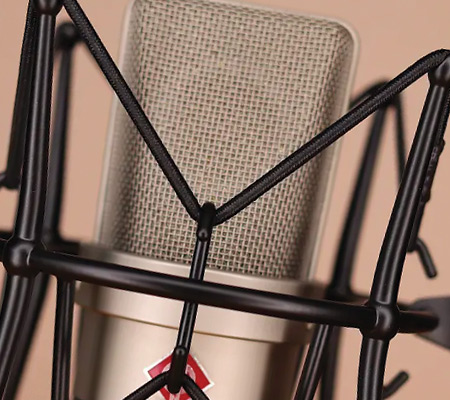
WILL NOT TAKE OFFERS. THE LISTING PRICE IS THE PRICE. BRAND NEW. Retails for $1195.00. It's not just for vocals -- the versatile Neumann TLM 103 studio microphone will let your voiceovers, guitars, and other acoustic instruments shine with "that Neumann sound" which draws audio professionals to the brand time and time again. The affordable TLM 103 is a large-diaphragm cardioid microphone featuring a transformerless circuit, low noise, high sound pressure level (SPL) handling, and a capsule based on the company's classic, significantly more expensive U87 capsule. This large-diaphragm condenser mic will do the job for a range of applications, from home recording to professional broadcasting and commercial recording studio use.
Cardioid: An Excellent Choice for Most Recording Situations
The TLM 103 boasts a large-diaphragm capsule with a universal cardioid pattern that draws in sound at the front of the microphone and rejects sound from the rear. When capturing vocals, recording instruments like the acoustic guitar, doing interviews, and so forth, a cardioid mic is often the way to go. With this Neumann microphone, off-axis sounds are rendered naturally while isolation is increased.
Looks and Sounds Like a Neumann
Its K 103 large-diaphragm capsule, based on the K 87 from the company's U 67 and U 87 microphones, has a flat frequency response up to about 4 kHz, and above that, a wide 4 dB presence boost. So that you know it's a Neumann, the TLM 103 is addressed from the front and is marked with the red Neumann logo on the body of the microphone.
The microphone keeps plosives, pops, and other unwanted noises in check, thanks to its large wire mesh headgrille, which protects the capsule. You can use a pop filter with the TLM 103 if you want, but you may not really need it unless you are exceptionally spitty when you sing or speak.
To further prevent noise from interfering with the mic's performance, the TLM 103's entire internal construction is elastically mounted. What's more, the capsule is set on an elastic mount. Since its frequency range actually reaches below 20 Hz, the lowest of low bass signals are reproduced without coloration. It's because of this low frequency extension that the TLM 103 is more sensitive to structure-borne interference and wind noise.
TLM for Transformerless Microphone
This mic features a very low self-noise level (7 dB-A / 17.5 dB CCIR), making it possible for even the smallest signals to be reproduced basically noise-free. Able to handle SPL up to 138 dB without distortion, the TLM 103 boasts a dynamic range of 131 dB, according to DIN/IEC 651.
There's a reason why the microphone is called a TLM -- its name is short for "transformerless microphone." Transformerless means that the microphone's usual output transformer is replaced by an electronic circuit. Neumann notes that as with traditional transformers, TLM technology ensures good common mode rejection and prevents RF interference that may influence the balanced audio signal.
All in all, the TLM 103 offers highly detailed, accurate sound and superior impulse response, allowing it to reproduce your music and vocals without any noticeable coloration.
Reverb Buyer Protection
Reverb has your back if your item is lost, damaged, or doesn't match its description. Simply report any issues within 7 days and we'll help you get a full refund.Learn more about Reverb Buyer Protection.

| Listed | 14 days ago |
|---|---|
| Condition | Excellent (Used) Excellent items are almost entirely free from blemishes and other visual defects and have been played or used with the utmost care.Learn more |
| Brand | |
| Model |
|
| Finish |
|
| Categories | |
| Year |
|
| Made In |
|
| Microphone Type |
|
| Wired/Wireless |
|
| Electronics |
|
| Polar Pattern |
|
Product safety information may be available here.


