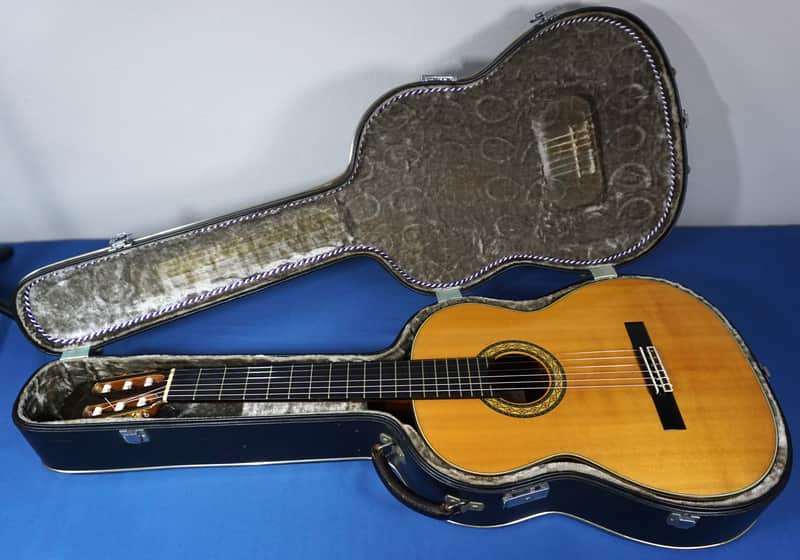

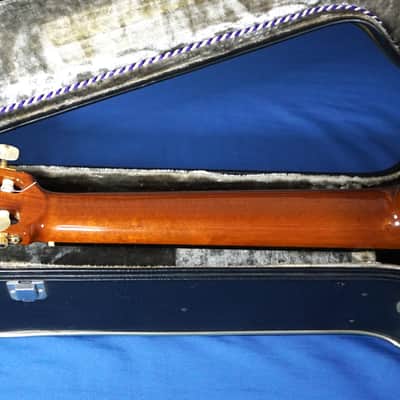
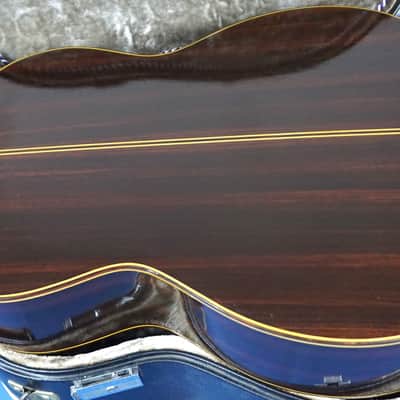
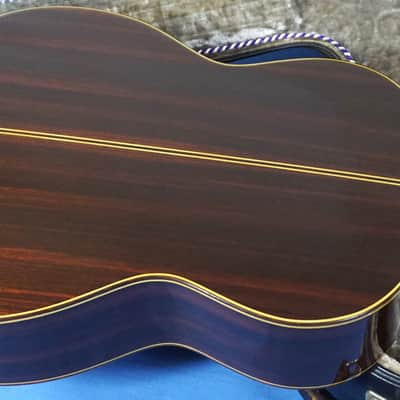
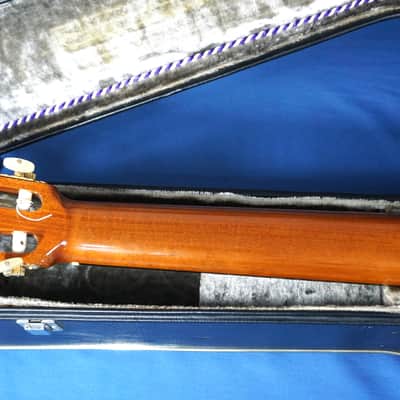
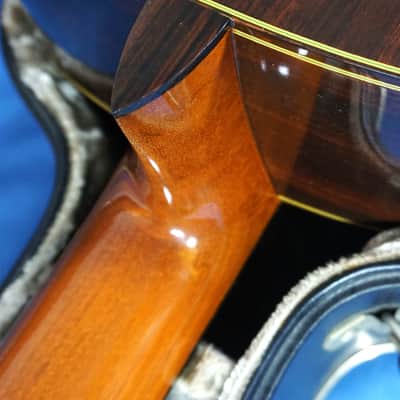
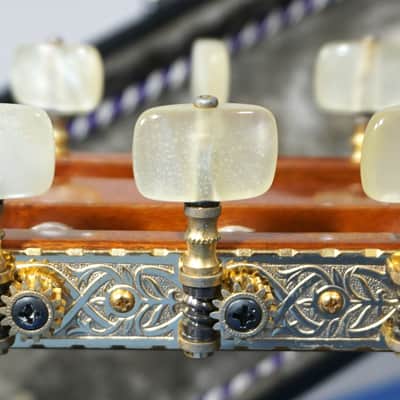
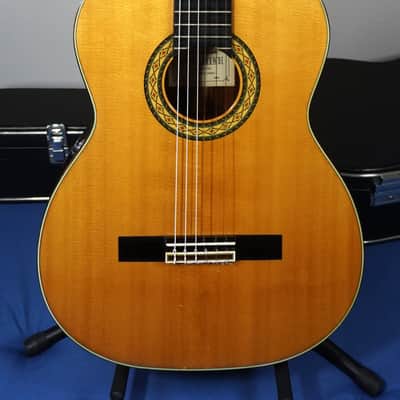
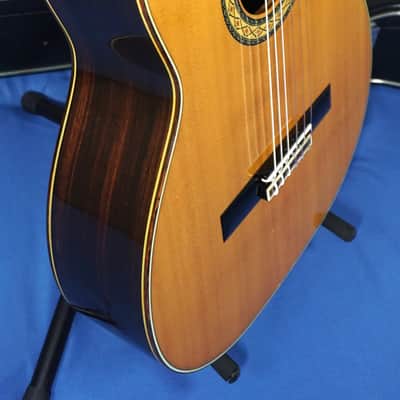
Takamine No.10 1980 - Excellent

Our users rate Reverb
Takamine No. 10 (1980) – Classical Guitar Description
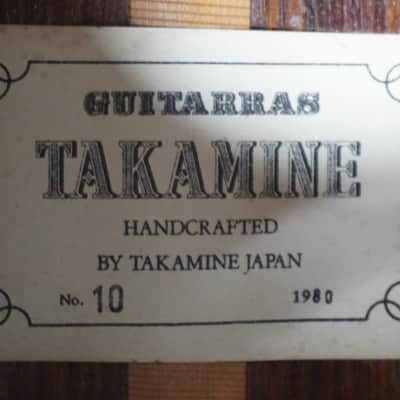
Specifications (based on the label shown in the image):
- Brand: Takamine
- Model: No. 10
- Type: Classical Guitar
- Year of Manufacture: 1980
- Origin: Japan
- Construction: Handcrafted
- Label Marking: “Handcrafted by Takamine Japan”
- Serial/Model Identification: No. 10
Detailed Description:
The Takamine No. 10 is a handcrafted Japanese classical guitar produced in 1980 during a period when Takamine was establishing a strong reputation for quality craftsmanship and excellent value. Instruments from this era were built with great attention to detail and were influenced by traditional Spanish guitar-making techniques.
The No. 10 was positioned as an entry-to-intermediate level classical model, designed to offer balanced tone, comfortable playability, and reliable construction. Typical examples from this period feature a solid or carefully selected spruce top paired with laminated rosewood or mahogany back and sides, although specifications may vary slightly depending on production batches.
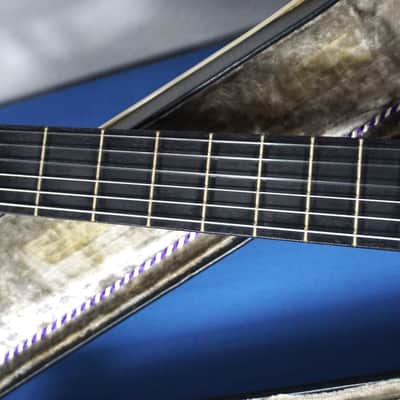
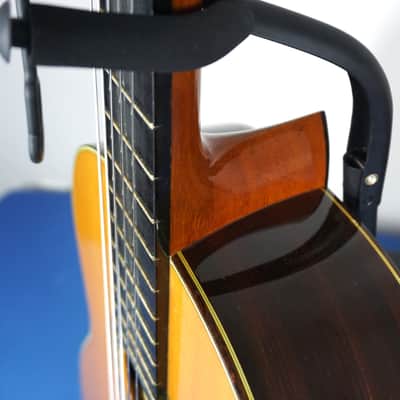
The guitar employs traditional fan bracing, a hallmark of classical guitar construction, helping to produce a warm, resonant voice with good projection. The neck is generally crafted from mahogany and fitted with a rosewood fingerboard, providing a smooth playing experience and stable tuning performance.
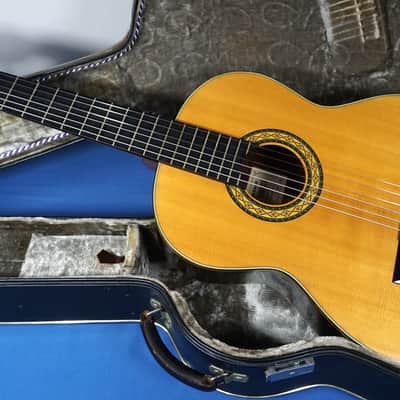
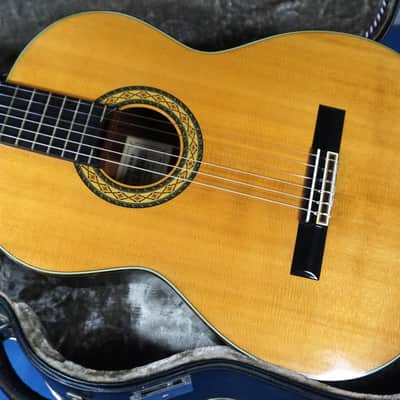
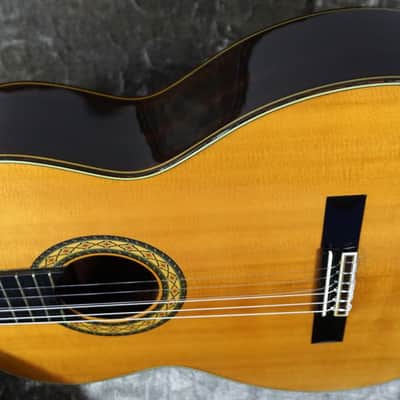
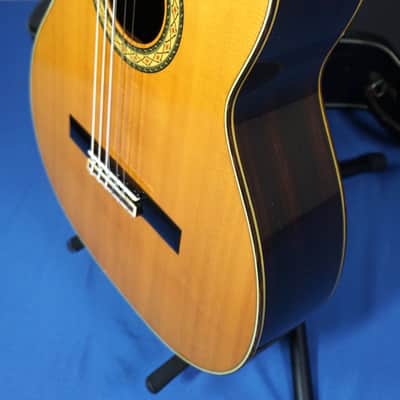
Visually, the Takamine No. 10 reflects the elegant simplicity of traditional classical guitars. Decorative elements are modest yet tasteful, often including a detailed mosaic rosette around the soundhole, natural wood bindings, and a high-gloss finish that enhances the beauty of the tonewoods.
Sound Characteristics:
The Takamine No. 10 produces a warm, balanced, and mellow classical tone. The bass response is round and supportive, while the midrange remains clear and articulate. Treble notes are sweet and expressive without becoming harsh. This tonal balance makes the instrument suitable for classical repertoire, fingerstyle playing, and general acoustic performance.
Compared with many student-grade classical guitars of the same era, the Takamine No. 10 often delivers impressive sustain, clarity, and responsiveness, qualities that have helped many vintage examples remain highly regarded among collectors and players.
About the Maker:
Takamine was founded in 1959 in Sakashita, Gifu Prefecture, Japan, near Mount Takamine, from which the company takes its name. During the 1970s and 1980s, Takamine gained international recognition for producing well-crafted acoustic and classical guitars that combined traditional hand-building methods with modern manufacturing precision.
Although individual craftsmen were not usually identified on standard Takamine labels, the guitars were built by skilled Japanese luthiers working within Takamine's workshop system. The company's dedication to quality workmanship and consistency helped establish Takamine as one of Japan's most respected guitar manufacturers, a reputation it continues to enjoy today.
Collector's Note:
A 1980 Takamine No. 10 represents an attractive example of vintage Japanese guitar craftsmanship. Well-preserved instruments from this period are appreciated for their reliability, mature tonal character, and historical significance within the development of Japanese classical guitar production.
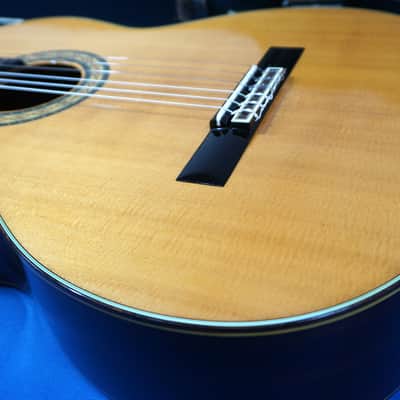
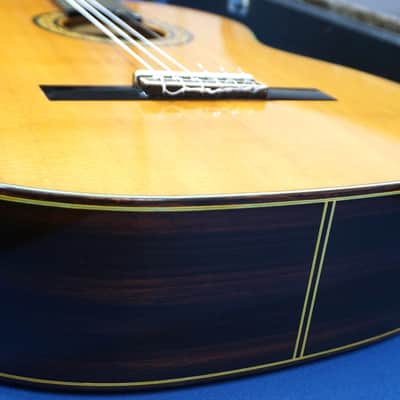
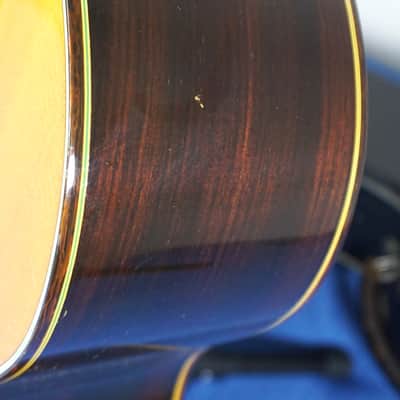
Note: This guitar remains in excellent cosmetic condition.
The guitar will be sold exactly as described in the images and text provided above.
Reverb Buyer Protection
Reverb has your back if your item is lost, damaged, or doesn't match its description. Simply report any issues within 7 days and we'll help you get a full refund.Learn more about Reverb Buyer Protection.
| Listed | 19 days ago |
|---|---|
| Condition | Excellent (Used) Excellent items are almost entirely free from blemishes and other visual defects and have been played or used with the utmost care.Learn more |
| Brand | |
| Model |
|
| Categories | |
| Year |
|
| Made In |
|
| Right / Left Handed |
|
| Number of Strings |
|
| Body Shape |
|
Product safety information may be available here.

