Ross Phaser Distortion 1970s - Purple Power


Ross Phaser Distortion 1970s - Purple Power


Rare Find
These don't show up often

Our users rate Reverb
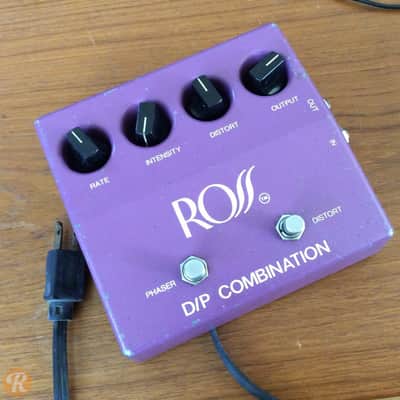
The Ross Phaser/Distortion is a vintage guitar effects pedal from the 1970s, produced by Ross Electronics, a now-defunct brand known for its compressor, phaser, and distortion pedals. Its collectability stems from several factors, though it’s less iconic than some contemporaries like the MXR Phase 90 or Ross Compressor. Below, I’ll break down why it’s sought after by collectors and players, while critically examining its value in the context of the vintage pedal market.Factors Driving Collectability:
- Rarity and Discontinued Production:
- Ross ceased production in the early 1980s, making original units finite. The Phaser/Distortion, combining two effects in one unit, was less common than standalone Ross pedals, increasing its scarcity.
- Early models (1978–1979) with 4x P1087E JFETs are particularly prized due to their smoother sweep compared to later LM13600N-based versions, which some players report had warble issues.
- Market data shows used units listed between $200–$350, with mint condition or early serial numbers (e.g., 21446) fetching premiums.
- Historical Context and Nostalgia:
- Ross pedals, while initially criticized for mimicking MXR designs (e.g., the Phaser resembling the MXR Phase 45 in layout), developed a cult following for their distinct voicings. The Phaser/Distortion’s orange enclosure and recessed knobs evoke 1970s aesthetics, appealing to collectors chasing vintage mojo.
- Musicians like Mat Zo have publicly praised owning one, adding to its cultural cachet.
- Its mains-powered AC plug (pre-Boss DC standard) is a quirky hallmark of the era, though some players mod it for modern DC jacks to reduce noise, which can affect value if not original.
- Unique Sound and Versatility:
- The pedal features two independent circuits: a phaser with Rate and Recycle (intensity) controls and a distortion with Distort and Level knobs. The phaser is noted for its warm, musical sweep, distinct from MXR’s sharper phase, while the distortion, though less celebrated, offers a gritty, lo-fi character that pairs well with the phaser.
- Players describe the phaser as having a unique character, “not like the Phase 90 but different,” making it desirable for those seeking non-standard tones.
- Its dual-effect design was innovative for the time, appealing to collectors who value pedals that pushed boundaries, even if the distortion is considered “eh” by some.
- JHS Reissue Influence:
- The 2023 JHS/Ross reissue of the Phaser (and Distortion as separate pedals) has renewed interest in originals. The reissue, built with modern upgrades like soft-touch bypass and a Uni-Vibe mode, highlights the original’s legacy but also underscores its vintage appeal, as purists prefer the older circuit’s raw sound.
- Originals command higher prices than reissues ($160–$225 for new Phasers vs. $200–$350 for vintage Phaser/Distortion), reflecting collector preference for authenticity.
- Condition and Provenance:
- Mint or well-maintained units, especially with original components and no mods, are highly valued. For example, a 1983–1984 mint unit was listed on TalkBass, emphasizing collector demand for pristine examples.
- Serviced units with original parts, like a 240v model sold by Soundgas, retain value if calibration is documented, though shipping wear can introduce risks (e.g., crackly pots).
- Units with provenance, like one owned by a notable artist, can spike in price, as seen with a Carvin console linked to Frank Zappa alongside a Ross pedal.
Critical Perspective on Collectability:
- Hype vs. Substance: The Ross Phaser/Distortion’s collectability is partly driven by nostalgia and the broader vintage pedal boom, where brands like Electro-Harmonix and MXR also see inflated prices. However, its phaser is less legendary than the MXR Phase 90, and the distortion is often described as underwhelming compared to a Boss DS-1 or MXR Distortion+. Collectors may overpay for sentiment rather than superior sound.
- MXR Controversy: Ross faced accusations of copying MXR circuits, with early Ross Phasers nearly identical to the MXR Phase 45 in layout. While Ross later refined its designs, this history can dampen its prestige among purists who prioritize originality.
- Practicality: The AC power cord and potential noise issues make it less gig-friendly without mods, which can devalue modified units. Modern alternatives, including JHS reissues, offer similar tones with better reliability, challenging the original’s worth for non-collectors.
- Market Volatility: Prices vary widely ($200–$350), and condition heavily influences value. A “destroyed” unit loses appeal, as one user noted their old Distortion was barely functional. Collectors risk overpaying for unserviced pedals that may need costly repairs.
Who Collects It?
- Vintage Enthusiasts: Players and collectors seeking 1970s pedal history, especially those drawn to lesser-known brands like Ross over mainstream MXR or Boss.
- Tone Chasers: Guitarists who value the phaser’s unique sweep for specific genres (e.g., psychedelia, funk) or recording.
- Speculators: Some buy hoping prices rise, especially after JHS’s reissue spotlighted Ross. However, the market for dual-effect pedals is niche compared to single-effect icons.
Conclusion:The Ross Phaser/Distortion is collectible due to its rarity, nostalgic appeal, and distinct phaser sound, with early JFET models being the most coveted. Prices range from $200–$350 depending on condition and version, but its value is tempered by a so-so distortion circuit, MXR copycat stigma, and practical limitations like AC power. For guitarists, it’s a quirky piece of history best suited for studio use or collectors who prize character over perfection. If you’re considering one, prioritize mint, unmodified units and verify functionality to avoid overpaying for a fixer-upper.
Reverb Buyer Protection
Reverb has your back if your item is lost, damaged, or doesn't match its description. Simply report any issues within 7 days and we'll help you get a full refund.Learn more about Reverb Buyer Protection.
| Listed | 3 months ago |
|---|---|
| Condition | Very Good (Used) Very Good items may show a few slight marks or scratches but are fully functional and in overall great shape.Learn more |
| Brand | |
| Model |
|
| Finish |
|
| Categories | |
| Year |
|
Product safety information may be available here.

