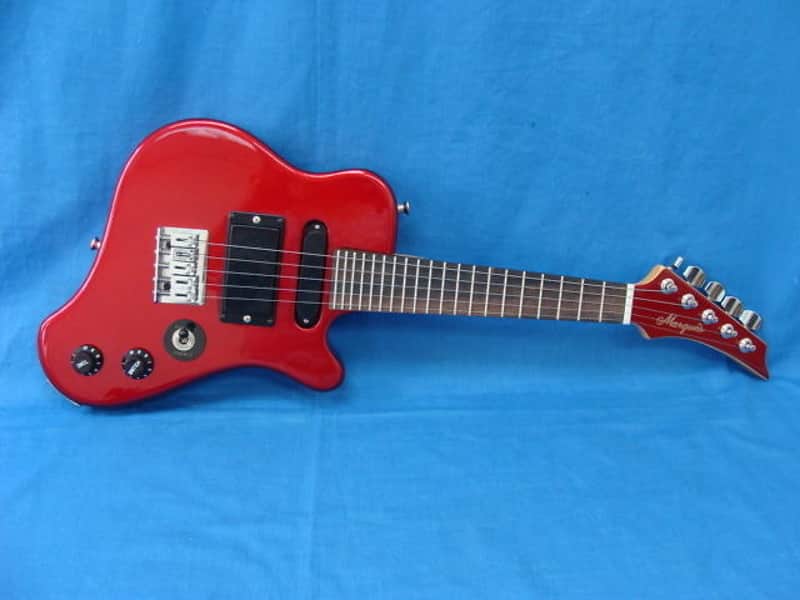
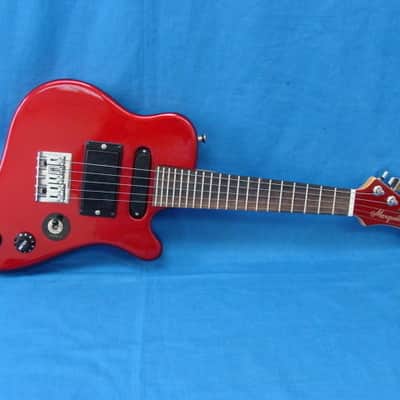
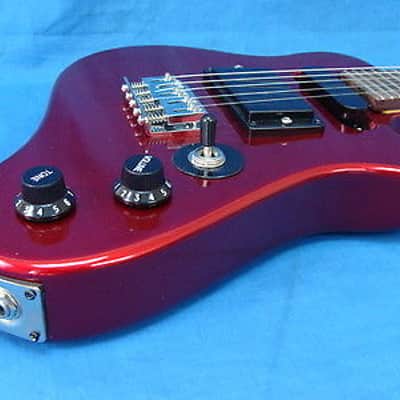
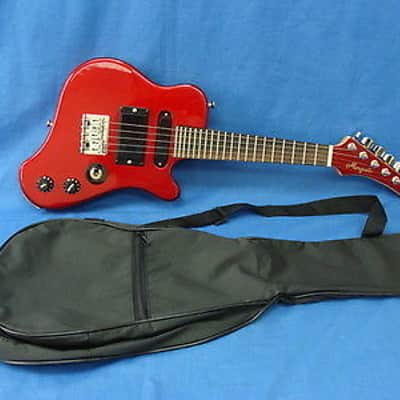


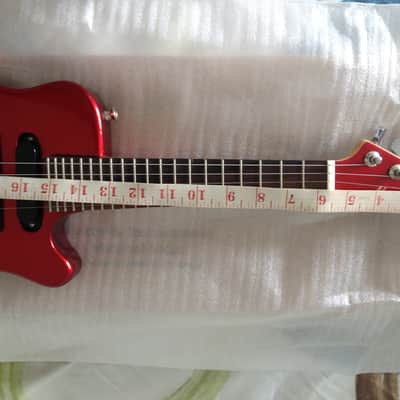

24" Brazilian Professional Guitarra Bahiana - 5 strings Electric Mandolin Handmade in Brazil
This gear has sold
See similar gear from other Reverb sellers

Our users rate Reverb
25" BRAZILIAN RED
HANDMADE GUITARRA BAIANA
NEW 5 STRINGS ELECTRIC MANDOLIN
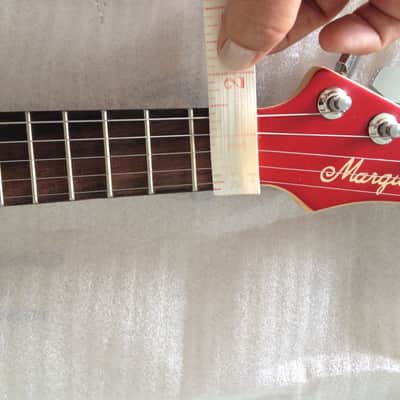
escala em Jacarandá – ROSEWOOD FINGERBOARD
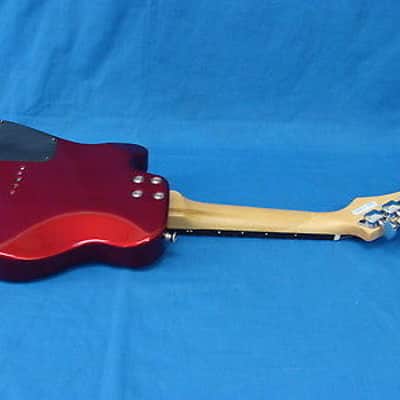
Braço em Marfim – NECK IN MARFIN WOOD
Caixa Cedro de 40mm – CEDAR BODY 40 mm
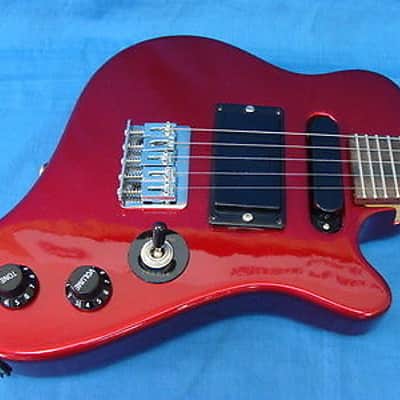
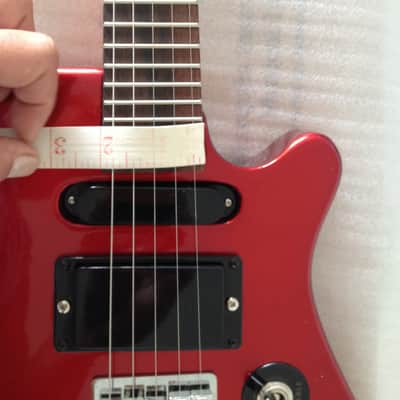
Captação PASSIVA c/ 2 Potenciômetros
1 Humbucker e 1 Single & 1 Chave de 3 posições
how to tune - video is in Portuguese but easy to understand
BEAUTIFUL PROFESSIONAL INSTRUMENT - MANUFACTURES WARRANTY
The instrument evolved from the so-called "electric log", developed in the early 1940s by Adolfo "Dodô" Nascimento and Osmar Álvares Macêdo, in Salvador, Brazil. It was equipped with four single strings mounted across a lengthy slab of wood and the neck of a cavaco (hence the names). During the 1950s and 60s, it was used exclusively to play instrumental music during carnival celebrations in Bahia. By the mid-1970s, when it became popular among Brazilian rock and pop musicians, it adopted its current name. This instrument apparently evolved in isolation from the efforts of contemporary American developers like Les Paul or Leo Fender, and given that solid-body electric mandolins did not appear in the United States until the 1950s, the Bahian-guitar can be regarded almost as the eldest known electric mandolin, or a descend from its own distinct line of prehistoric solid body guitars. To the degree in which the Bahian-guitar counts as a mandolin (despite the differences in measure and lack of double strings - just like in the case of the Mandocaster), the "Electric Log" constitutes the eldest known solid body electric mandolin. Until its invention, North American developers had not applied the principle of solid or almost-solid bodies to mandolins to the same extend as they had to guitars. The Bahian-guitar was also the first headless solid-body electric plucked instrument, and nowadays it is usually manufactured to resemble a miniature electric guitar.
This instrument is intimately connected to the Brazilian Carnival, where it is used extensively, especially in Salvador. More importantly though, its creators must be credited with having set important accents in Brazilian popular music, by inventing an 'endemic' Brazilian version of the electric-guitar, and by supplying it with an individual musical language and style, before anything of such could be imported from abroad. In the late 1960s in Brazil during the Tropicaliamovement, there was a lot of disapproval from musicians and critics towards the addition of elements from British/American pop and rock into Brazilian music — including the use of electric guitars. The occurred however, is nowadays seen in Brazil as silly protests from those years (by many of the responsible, in fact). Nevertheless, the Bahian guitar was responsible for revolutionizing the carnival in the 1950s as an essential ingredient of the "Electric trio" tradition (especially on an space-restricted environment), which since then became the single most important trademark of the Bahia/Brazilian street carnival
Reverb Buyer Protection
Reverb has your back if your item is lost, damaged, or doesn't match its description. Simply report any issues within 7 days and we'll help you get a full refund.Learn more about Reverb Buyer Protection.
| Condition | Brand New (New) Brand New items are sold by an authorized dealer or original builder and include all original packaging.Learn more |
|---|---|
| Brand | |
| Model |
|
| Finish |
|
| Categories | |
| Year |
|
| Body Type |
|
Product safety information may be available here.