

Lewitt LCT 540 S SubZero Ultra-Low-Noise Large-Diaphragm Condenser Mic
Dieser Verkäufer hat keine Versandkosten für Deutschland hinterlegt. Bitte Kontakt ihn bezüglich Versand.

Nur 1 übrig
Hol es dir, bevor es weg ist


30 Tage Rückgaberecht
Genieße Sorgenfreiheit mit deinem neuen Equipment
Unsere Benutzer bewerten Reverb
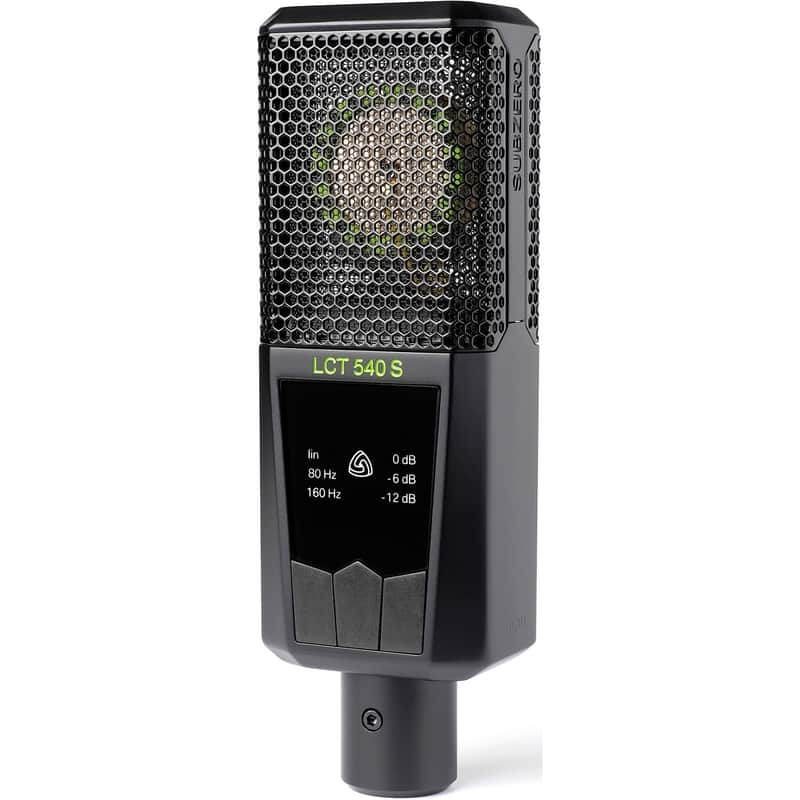
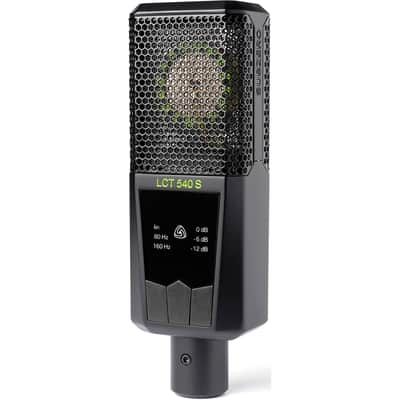
The Lewitt LCT 540 S is a large-diaphragm cardioid condenser microphone, a true 1 in (25.4 mm) gold-sputtered SubZero design whose headline achievement is a self-noise of just 4 dB(A) — a figure that sits below the threshold of human hearing. That single number changes what a microphone can do. On most condensers, cranking the gain or leaning on a compressor to bring up the quiet parts of a performance also brings up the microphone's own hiss; on the LCT 540 S there is almost nothing there to bring up, so heavy compression pulls fine detail out of the shadows instead of noise. Pair that with a hot 41 mV/Pa output, a massive 132 dB(A) dynamic range, and a backlit status panel that actively watches for clipping, and you have a detailed, forgiving vocal microphone that flatters intimate performances and quiet sources the way far more expensive mics do.
What Microphone Self-Noise Is — and Why 4 dB(A) Changes What You Can RecordEvery microphone generates a small amount of noise of its own, produced by the capsule and the electronics that amplify its signal. That figure, its self-noise or equivalent noise level, is the true noise floor of your recording — the quietest sound the microphone can capture before its own hiss takes over. A typical studio condenser sits somewhere around 12 to 18 dB(A); the LCT 540 S measures just 4 dB(A), which is effectively silent, quieter than the ambient noise of even a well-treated room. The practical consequences are large. Quiet and distant sources — a fingerpicked passage, a soft-spoken narration, a room-mic'd ensemble — are captured cleanly instead of being buried under a bed of hiss. And because there is so little noise to begin with, aggressive gain and heavy compression, which normally amplify a microphone's hiss along with the signal, instead reveal the subtle detail and dynamics of a performance. Low self-noise is the difference between a recording that sounds professional at high gain and one that sounds noisy — and 4 dB(A) is about as low as it gets.
Why the Hot 41 mV/Pa Output Works Hand in Hand With That Low Noise FloorSelf-noise never tells the whole story on its own — what matters is the relationship between how much noise the microphone makes and how much signal it produces. The LCT 540 S pairs its 4 dB(A) noise floor with an unusually high sensitivity of 41 mV/Pa, meaning it produces a strong output signal for a given sound-pressure level. A hot, high-sensitivity output does two valuable things. First, it lifts quiet sources well clear of the noise floor, so a whisper or a distant instrument arrives with real level behind it. Second, it means your preamp does not have to work as hard: you can run it at more modest gain, where preamps are cleanest and add the least noise of their own. The combination of a very quiet microphone and a very hot output is what gives the LCT 540 S its enormous 132 dB(A) dynamic range — the span from the faintest detail it can resolve to the loudest peak it can handle without distortion — and it is why the mic sounds so clean and detailed even on the most delicate material.
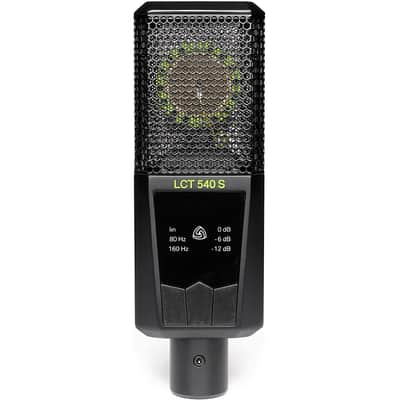
Clipping History and Automatic Attenuation: How the Microphone Protects Your TakeA microphone can only capture so loud a sound before its capsule and electronics overload and distort, and by the time you hear that distortion on playback the take is usually already ruined. The LCT 540 S is built to prevent that. Its backlit status panel includes a clipping-indicator that lights the logo the instant the signal overloads, plus a "Clipping History" that remembers whether any overload occurred during a pass — so even if you missed the moment live, the microphone tells you afterward whether the take is clean. More clever still is Automatic Attenuation: during setup, if the microphone detects that a source is clipping, it automatically engages the appropriate pad (from its 0, -6, and -12 dB options) to bring the level back under control, raising the effective maximum SPL toward 148 dB. A Key-Lock function then locks your settings so nothing gets bumped mid-session. Together these features mean you spend less time worrying about levels and more time capturing performances.
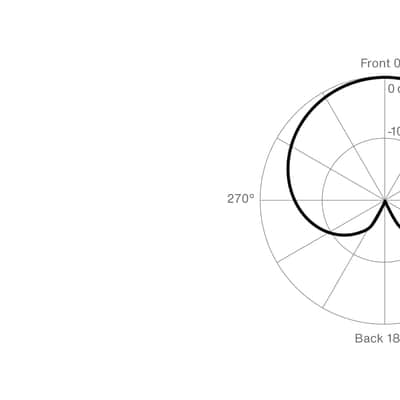
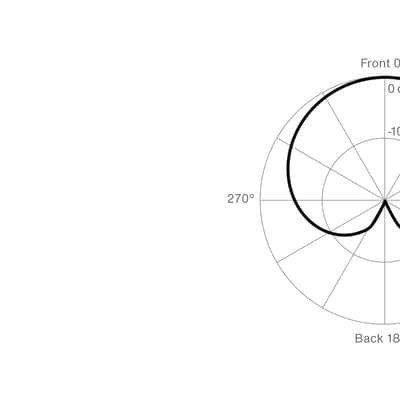
The 1-Inch True Condenser Capsule and Its Detailed, Present VoiceAt the front sits a genuine 1 in (25.4 mm) true condenser capsule with a 3-micron gold-sputtered diaphragm — a large-format design that captures the breath, nuance, and dynamic detail of a close vocal with authority. Its cardioid response spans the full 20 Hz to 20 kHz, with a gentle presence lift of roughly +5 dB near 12 kHz that adds air and articulation to a voice without tipping into harshness. The result is a voice that is detailed and present rather than dark or veiled — vocals sit forward in a mix with clarity, and delicate instruments keep their sparkle. An internal impedance of 68 Ω and a 136 dB maximum SPL (148 dB with the pad) round out a capsule that is as comfortable on an intimate whisper as it is on a loud source, all captured against that near-silent 4 dB(A) noise floor.
On Vocals, Voiceover, and ASMR: The Signature ApplicationThis is a microphone built to make voices sound extraordinary, and it is at its most impressive on the quietest, most intimate material. On lead and breathy vocals it captures every nuance of a close performance with a present, detailed top end, and because its noise floor is effectively silent, the soft passages that other mics bury in hiss arrive crystal clean. For voiceover and narration, the low noise and hot output mean you can compress and normalize aggressively for a consistent, broadcast-ready level without the noise buildup that plagues cheaper condensers. And for ASMR and other whisper-quiet content, the LCT 540 S is close to a purpose-built tool: it hears the faintest detail, resolves it cleanly, and its clipping protection keeps the occasional louder moment safe. Wherever the goal is intimacy and detail, this microphone excels.
Beyond the Voice: Acoustic Instruments and Loud SourcesThe same low noise and detailed capsule that flatter a voice make the LCT 540 S superb on acoustic instruments and quiet, distant sources. On fingerstyle acoustic guitar, piano, and strings it captures body and delicate detail while its near-silent floor preserves the natural decay and air of the performance — exactly the material where a noisy microphone gives itself away. It is equally at home on quiet and distant sources, where its hot output and low noise let it reach out and capture detail that would otherwise be lost. And when the source gets loud, the pad and Automatic Attenuation open the door: with up to -12 dB engaged the microphone tolerates up to 148 dB SPL, so it can sit in front of a driven guitar cabinet or serve as a drum overhead without overloading. Factory Perfect Match tolerances mean two LCT 540 S mics work seamlessly together as a stereo or multi-mic array.
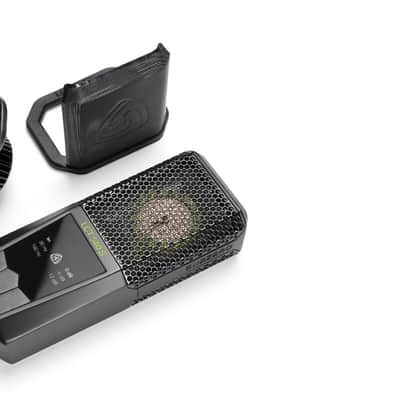
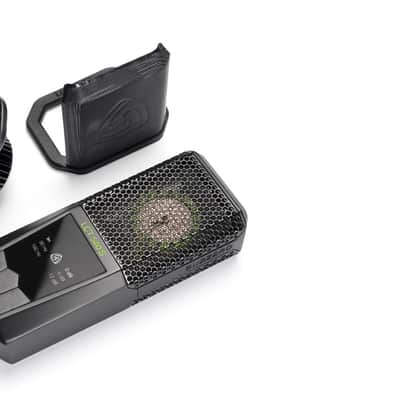
Who the Lewitt LCT 540 S Is ForThis is the microphone for anyone whose recordings live or die on detail and quiet. For the vocalist, voice actor, or ASMR creator who needs intimate, whisper-level performances captured with no hiss and no compromise, its 4 dB(A) self-noise is transformative. For the engineer who compresses and normalizes hard for broadcast-ready consistency, the pairing of that low noise floor with a hot 41 mV/Pa output means the process reveals detail instead of noise. And for the home-studio owner who wants one large-diaphragm cardioid condenser that flatters vocals, acoustic instruments, and quiet sources while protecting every take with clipping history and Automatic Attenuation, the LCT 540 S delivers professional results with a genuinely helpful workflow. Delivered complete with a shockmount, magnetic pop filter, foam windscreen, pouch, and mil-spec case, it is a detailed, forgiving, near-silent condenser you will reach for on everything that has to sound clean.
| Zustand | Brandneu (Neu) Brandneue Artikel werden von autorisierten Händlern oder Herstellern verkauft und kommen in originaler Verpackung.Weitere Informationen |
|---|---|
| Marke | |
| Modell |
|
| Kategorien | |
| Jahr |
|
| Mikrofontyp |
|
| Kabelgebunden/drahtlos |
|
| Elektronik |
|
| Polarmuster |
|
Möglicherweise sind hier Informationen zur Produktsicherheit verfügbar.

Reverb-Schutz
Einfache Rücksendungen, sichere Transaktionen, Support von Experten
Weitere Informationen