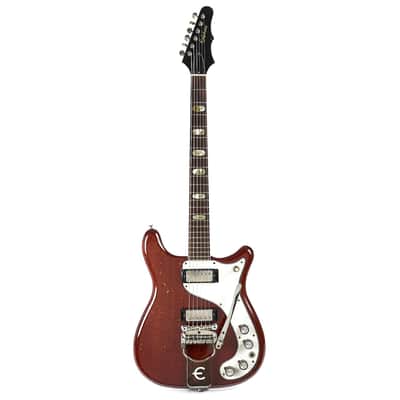
Epiphone Crestwood Custom 1963 - 1969
Compare 0 Listings
Product details
Gallery
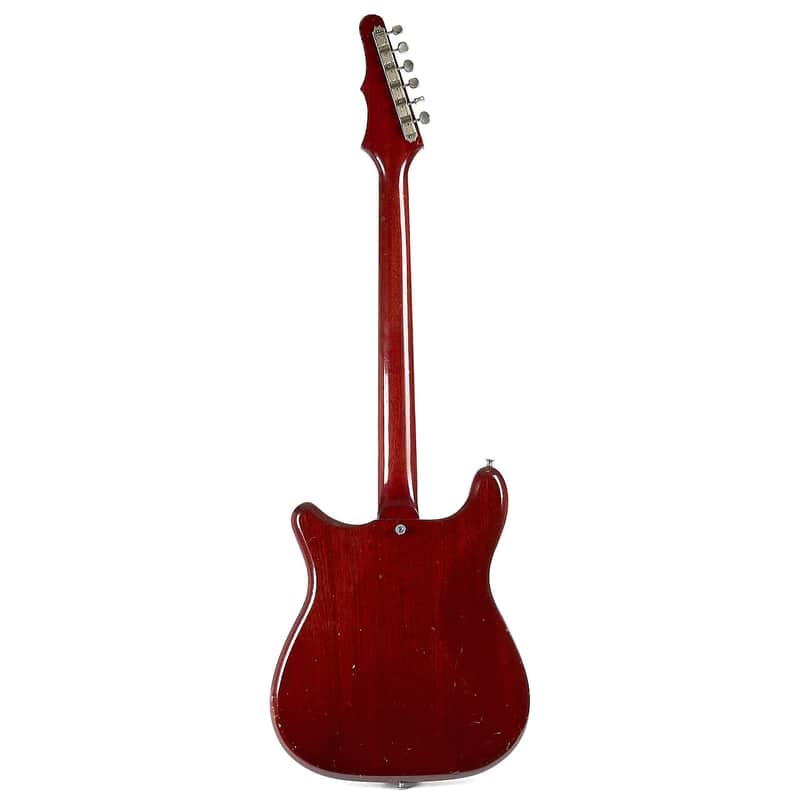
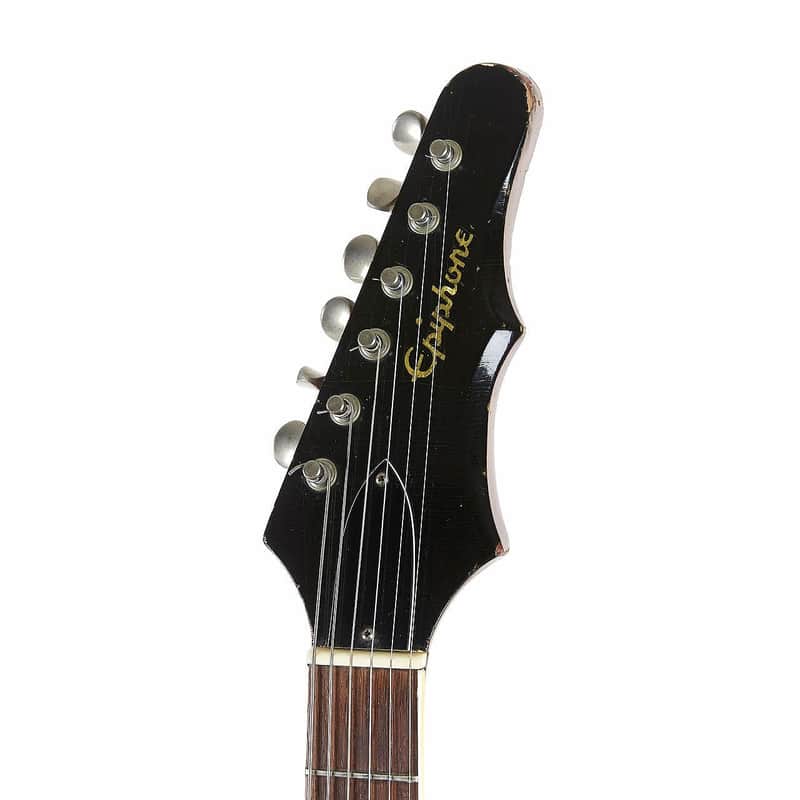

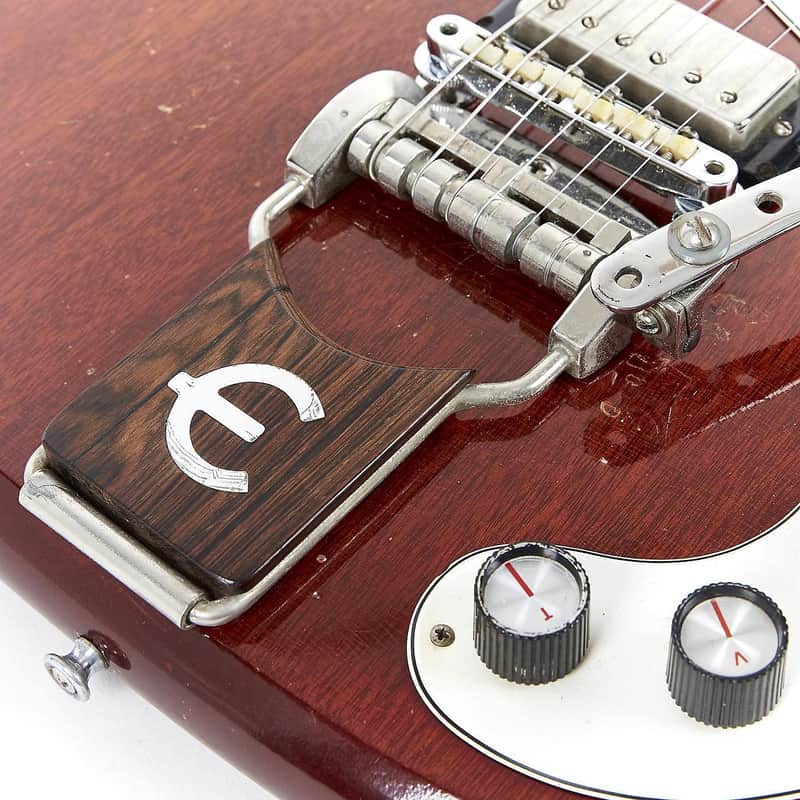
Product Specs
| Brand | |||||
|---|---|---|---|---|---|
| Model |
| ||||
| Finish |
| ||||
| Year |
| ||||
| Made In |
| ||||
| Categories | |||||
| Body Material |
| ||||
| Body Shape |
| ||||
| Body Type |
| ||||
| Bridge/Tailpiece Type |
| ||||
| Color Family |
| ||||
| Finish Style |
| ||||
| Fretboard Material |
| ||||
| Model Family | |||||
| Model Sub-Family | |||||
| Neck Construction |
| ||||
| Neck Material |
| ||||
| Number of Frets |
| ||||
| Number of Strings |
| ||||
| Offset Body |
| ||||
| Pickup Configuration |
| ||||
| Right / Left Handed |
| ||||
| Scale Length |
| ||||
| Wood Top Style |
| ||||
Overview
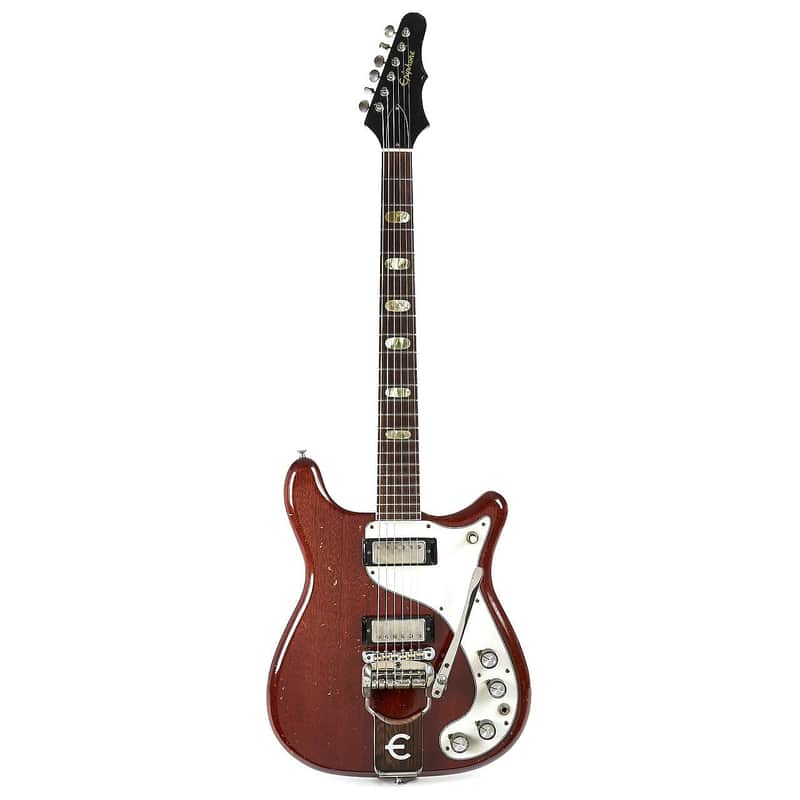
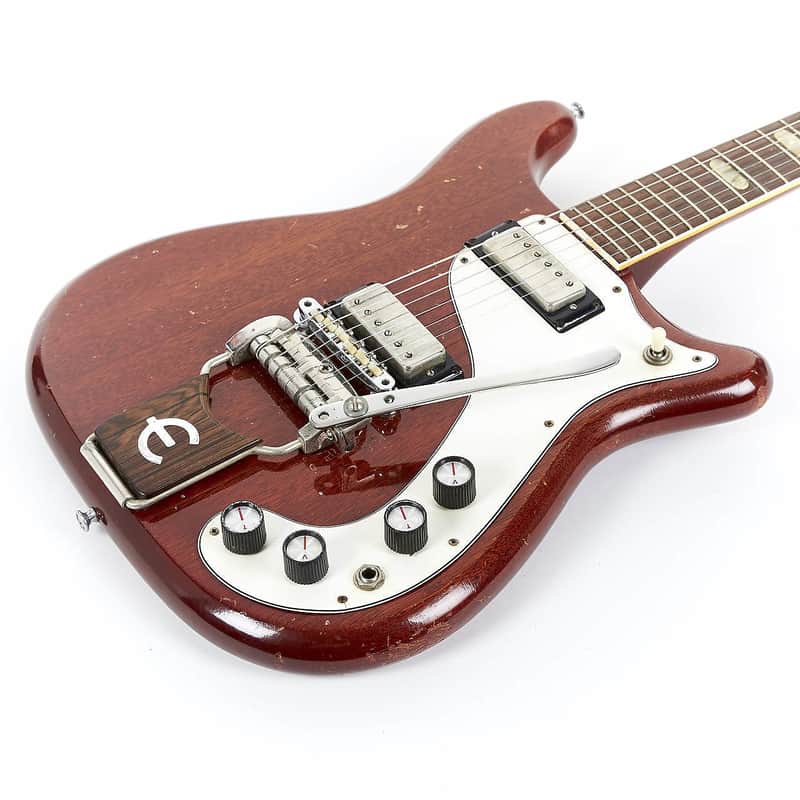
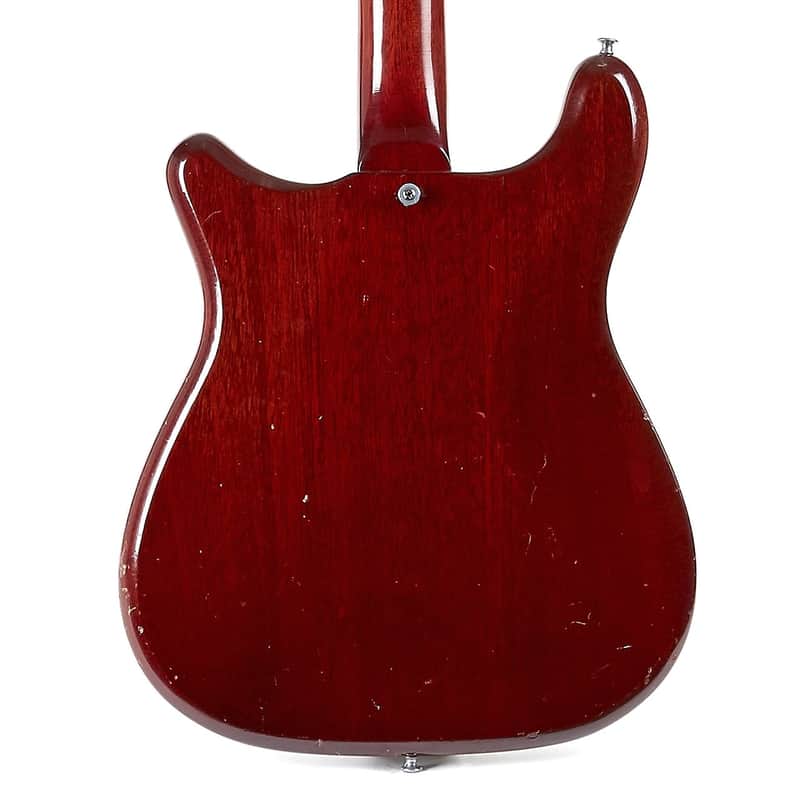
The final iteration of the original Crestwood Custom arrived in 1963 when Epiphone switched from the symmetrical body design to the more common asymmetric body used for the duration of the '60s. These models retained the larger oval inlays and vibrato unit from the 1961 - 1962 model, but expanded the colorway, and exchanged the Gibson-style open book headstock for Epiphone's own "Batwing" 6-in-line design. 1963 also saw the introduction of the Crestwood Deluxe, which featured a largely similar design except for the Deluxe's inclusion of a third mini-humbucker, ebony fretboard, and additional body binding.
Reverb Price Guide
Estimated Value for Epiphone Crestwood Custom 1963 - 1969 on Reverb
Includes material, year, finish
*Excludes Brand New, B Stock, Fair, Poor, and Non-functioning. Prices exclude shipping and tax/VAT/GST.