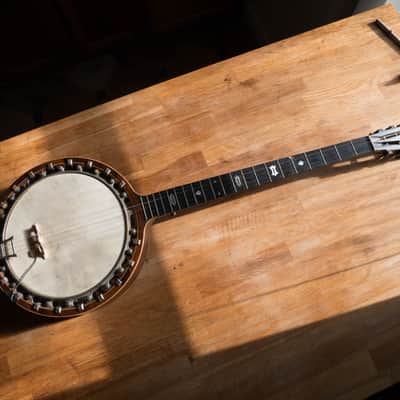
The Windsor Artiste Model 4 Zither Banjo Circa 1910
This seller is currently away
See similar gear from other Reverb sellers

Our users rate Reverb
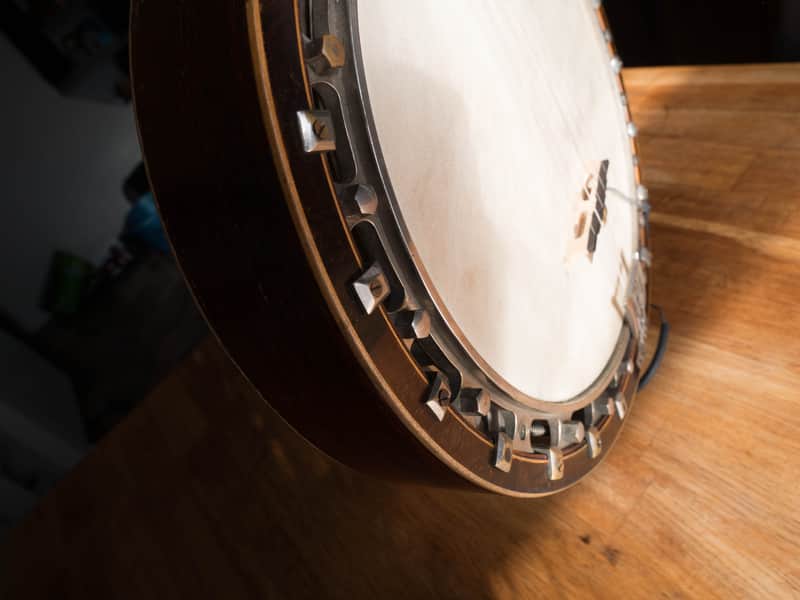
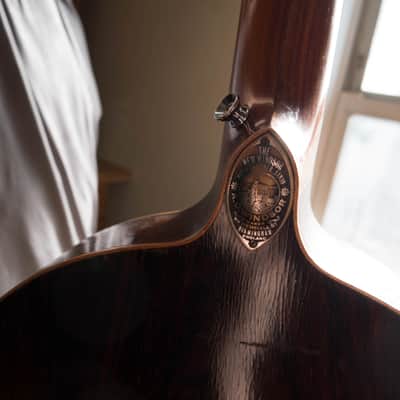
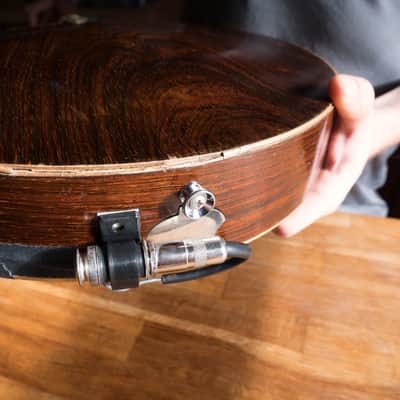
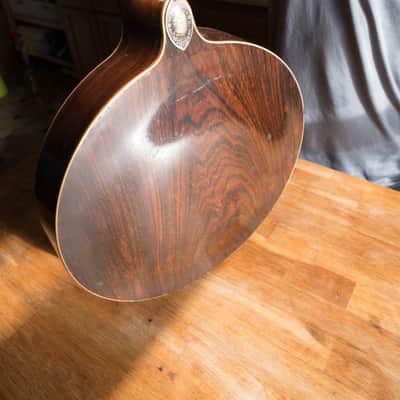
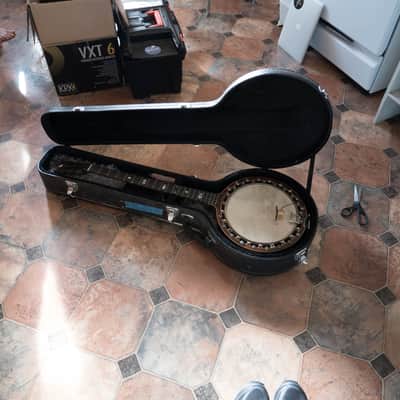
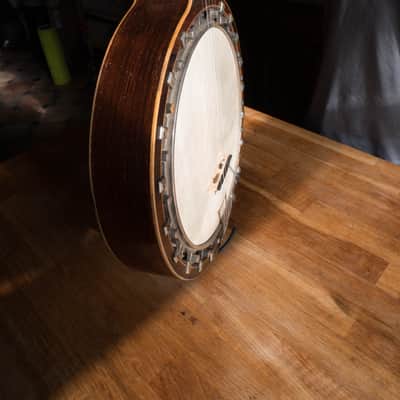
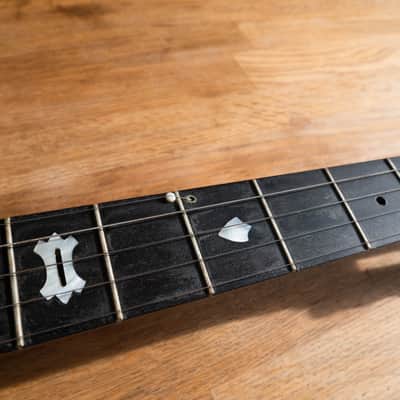
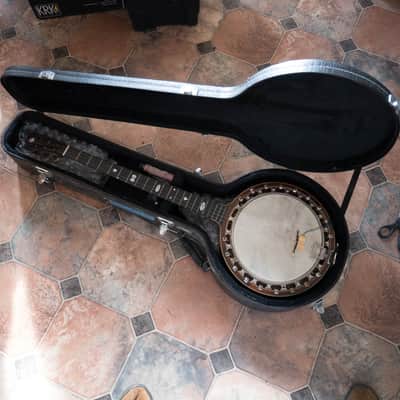
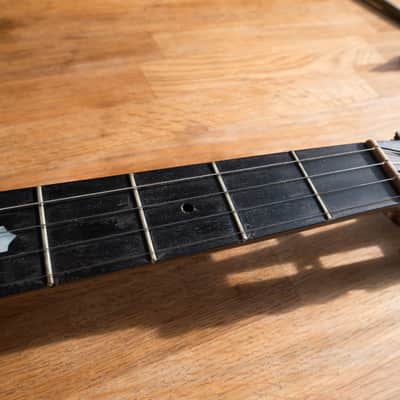
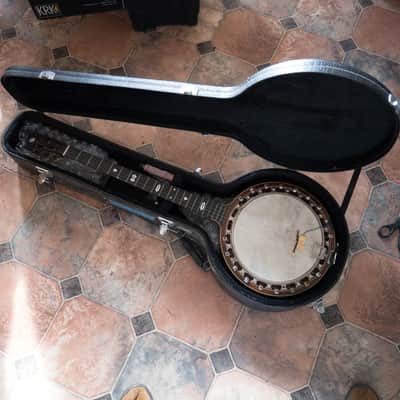
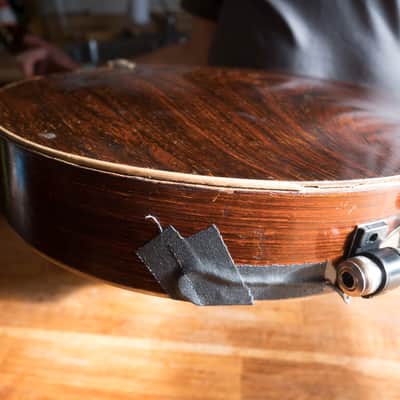
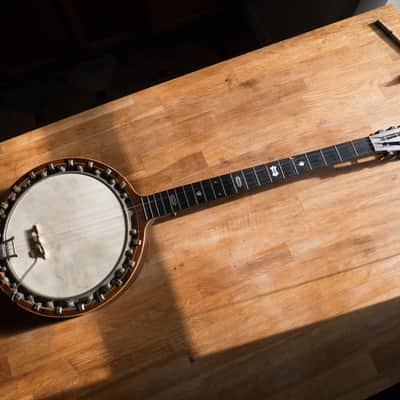
All original parts and finish. The back of the banjo seems to be slightly separating from the seams on the side as seen in photos. If you have any questions, please ask.
History of the Windsor Company:
"From 1887 until the Birmingham factory was destroyed in 1940 in a German air-raid, the Castle Works Windsor company was the largest maker of fretted instruments in British history.
By 1887, Arthur Octavius Windsor had a small factory building Coffins and fabricating metal hardware. His off-time was spent pursuing his passion for banjos which he soon applied by opening a new factory, eventually employing 25 makers to build his ever expanding line of banjos and other fretted instruments.
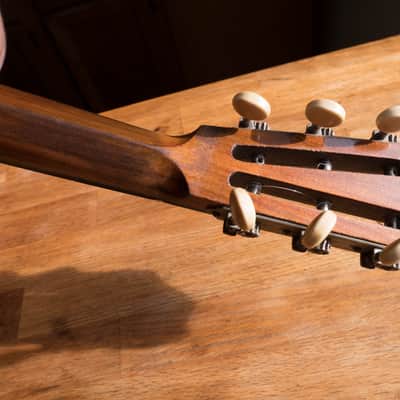
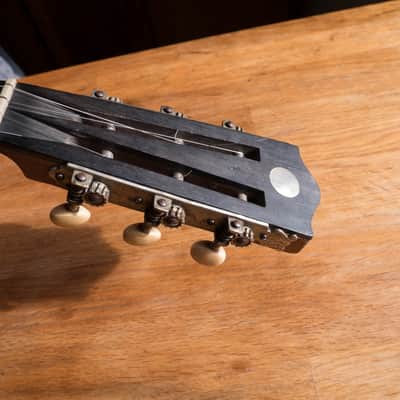
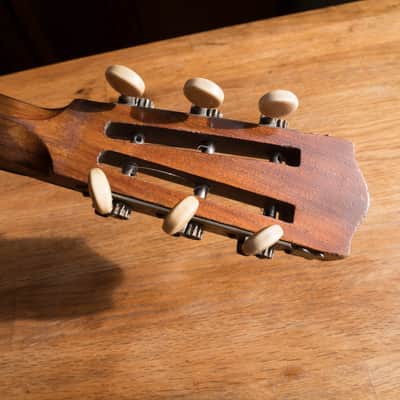
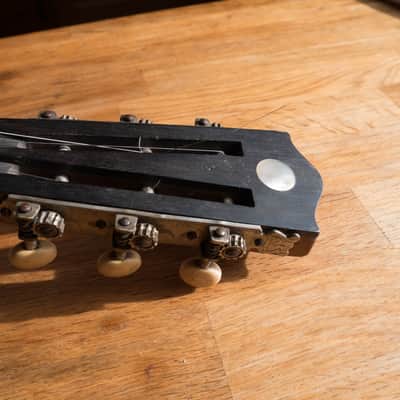
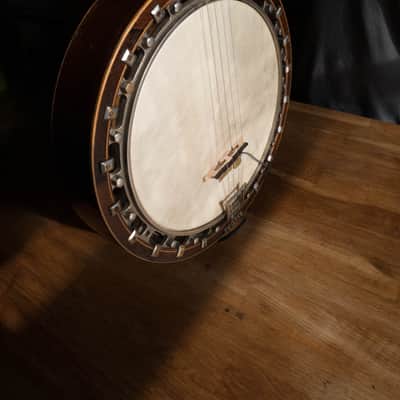
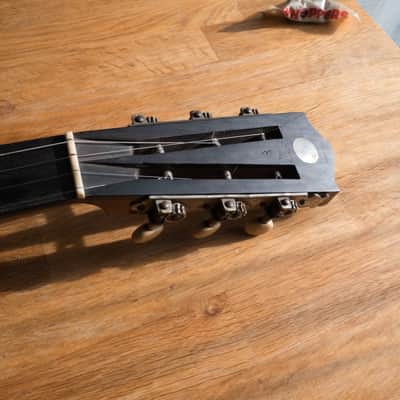
He pioneered a style of wooden pot construction which he called Zither Construction. The metal rim, head and tension hoop assembly drops into this pot and the tailpiece was neatly inlayed into the wooden pot. A typical Windsor feature is the 5th string tunnel which eliminates the 5th string tuner on the neck typical of most banjos. Most Windsor banjos have 6 tuners: three per side though only 5 of those tuners are used — the 6th acting as a spare in the event of breakage.
A.O. Windsor was very skilled at self promotion and published a 50 page booklet on ‘How a Zither-Banjo Is Made’ in 1896 which secured Windsor instruments popularity as a Household name .
Unlike most banjo makers, Windsor fabricated all of their hardware fittings in their own workshop; all were non-standard insuring that customers would buy replacement fittings only from A.O. Windsor. He registered numerous patents on his developments.
These so-called English Banjos are almost always Windsor-built and they were quite popular in Canada. We see them routinely for service and restoration in our workshop.
The calfskin head diameter ranges from 8 inch to 9 inch on Windsor banjos so they are not ‘big’ sounding. I find them perfect for quiet home playing – clawhammer or fingerstyle.
Workmanship is very good and the quality of the metal castings and machine work is a delight. They have slender necks with a V profile; no truss rod and are always slightly over-bowed by modern standards but I find they can easily be made playable well past the 12th fret position. They make an interesting historical addition to any collection."
-copied from 12thfret.comThis item is sold As-Described
This item is sold As-Described and cannot be returned unless it arrives in a condition different from how it was described or photographed. Items must be returned in original, as-shipped condition with all original packaging.Learn More.
| Listed | 7 years ago |
|---|---|
| Condition | Good (Used) Good condition items function properly but may exhibit some wear and tear.Learn more |
| Brand |
|
| Model |
|
| Categories | |
| Year |
|
| Made In |
|
Product safety information may be available here.