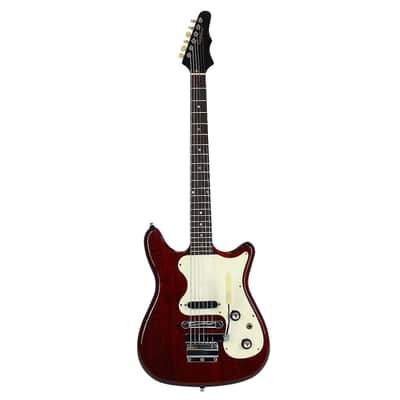
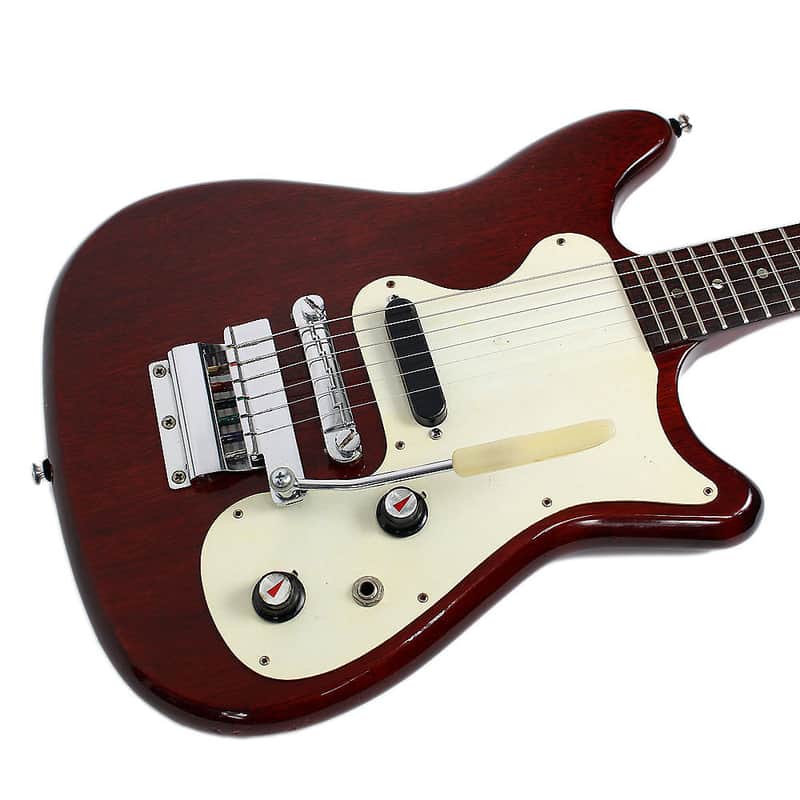
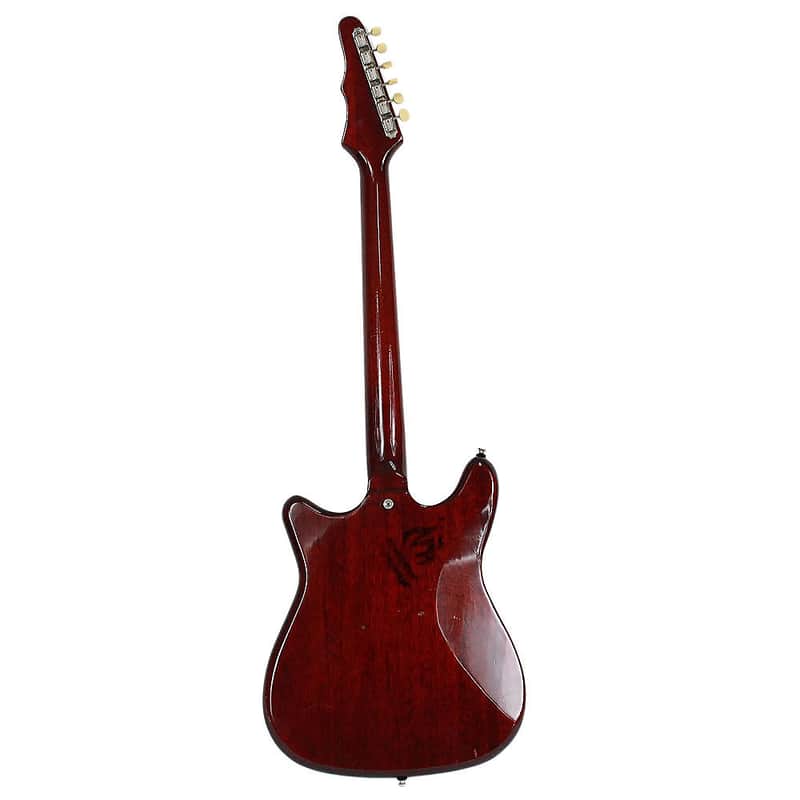
Epiphone Olympic with Maestro 1963 - 1970
Compare 0 Listings
Product details
Gallery
Product Specs
| Brand | |||||
|---|---|---|---|---|---|
| Model |
| ||||
| Finish |
| ||||
| Year |
| ||||
| Made In |
| ||||
| Categories | |||||
| Body Material |
| ||||
| Body Shape |
| ||||
| Body Type |
| ||||
| Bridge/Tailpiece Type |
| ||||
| Color Family |
| ||||
| Finish Pattern |
| ||||
| Finish Style |
| ||||
| Fretboard Material |
| ||||
| Model Family | |||||
| Neck Construction |
| ||||
| Neck Material |
| ||||
| Number of Frets |
| ||||
| Number of Strings |
| ||||
| Offset Body |
| ||||
| Pickup Configuration |
| ||||
| Right / Left Handed |
| ||||
| Scale Length |
| ||||
| Wood Top Style |
| ||||
Overview
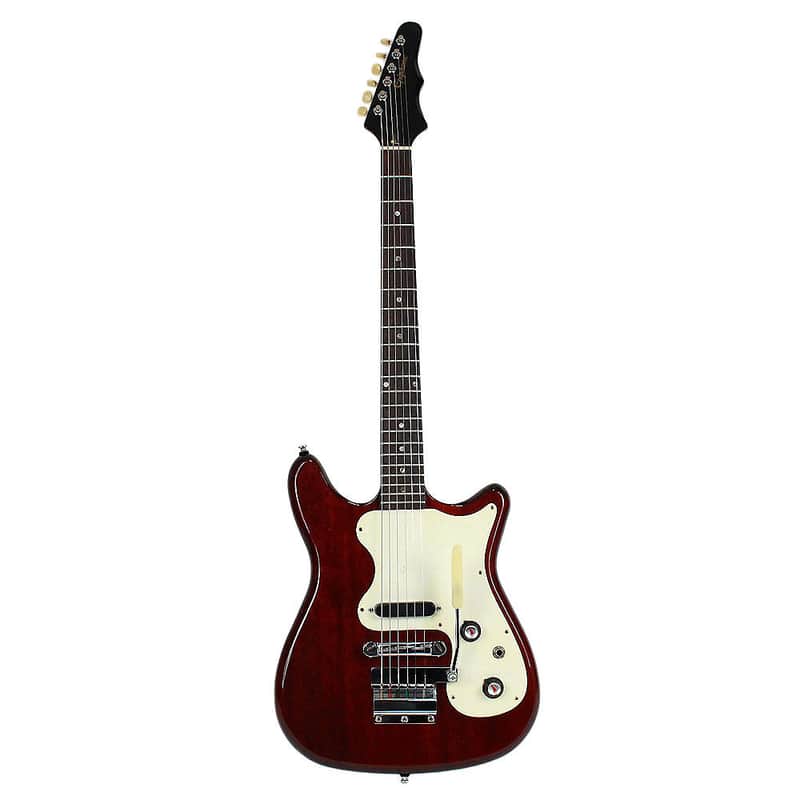
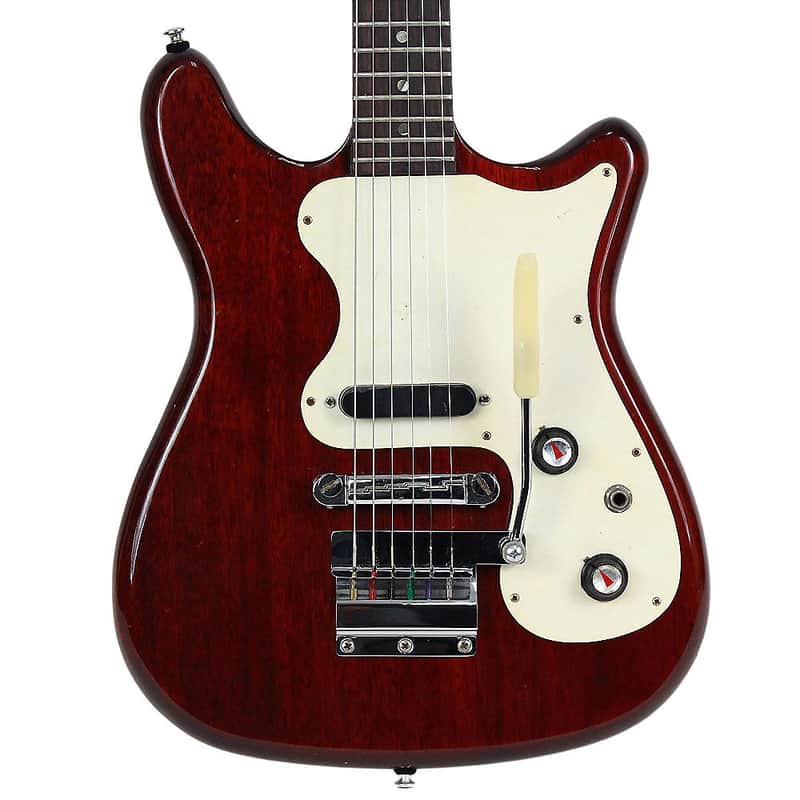
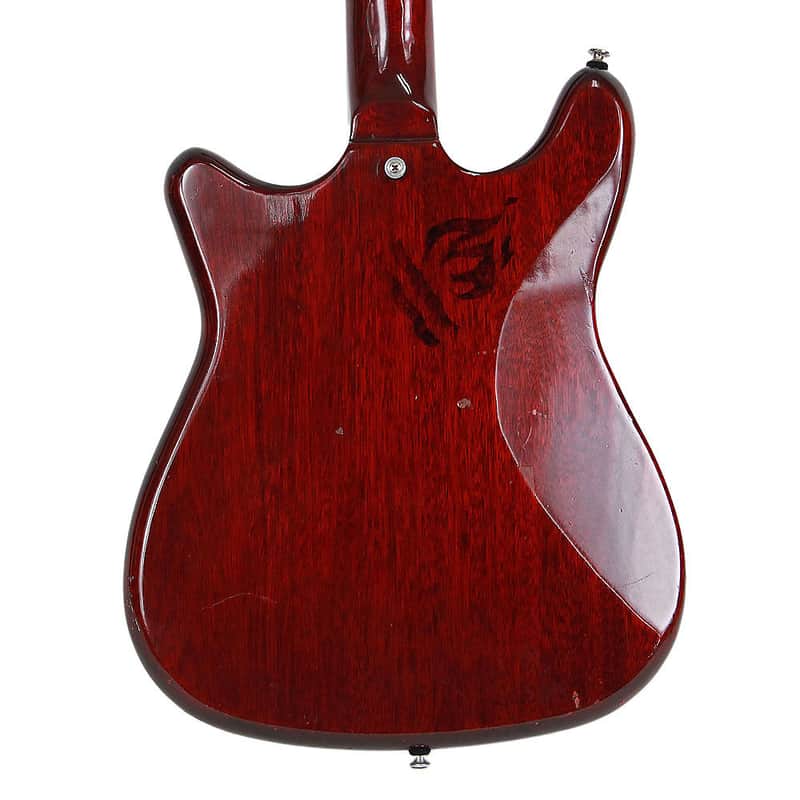
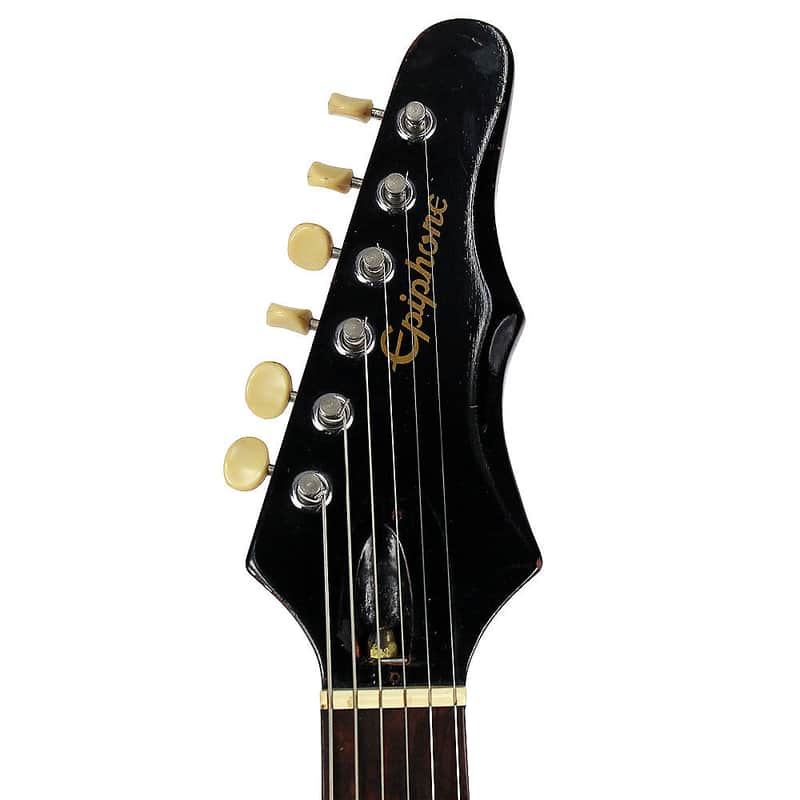
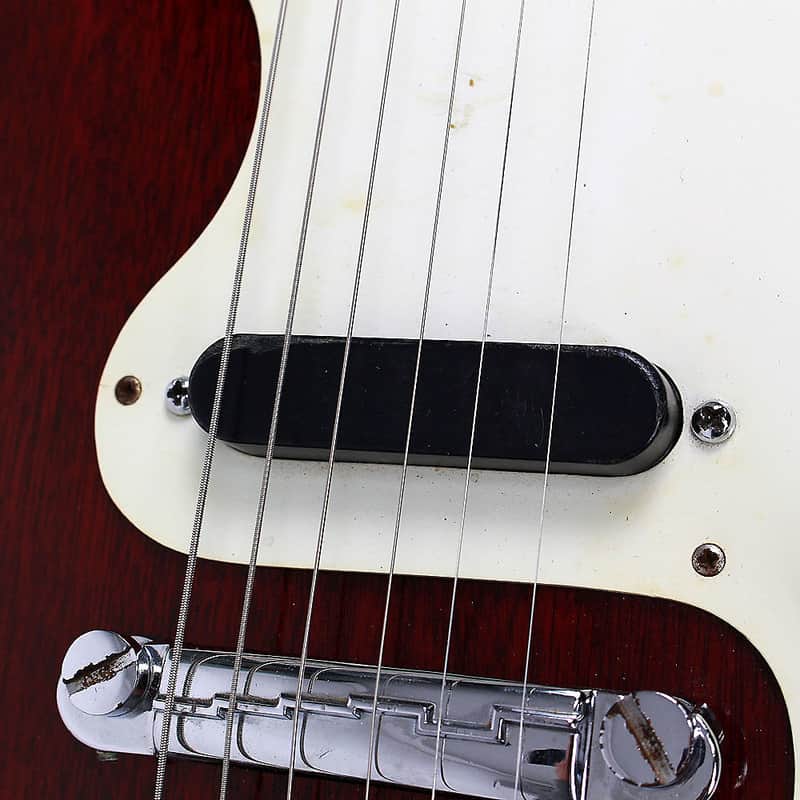
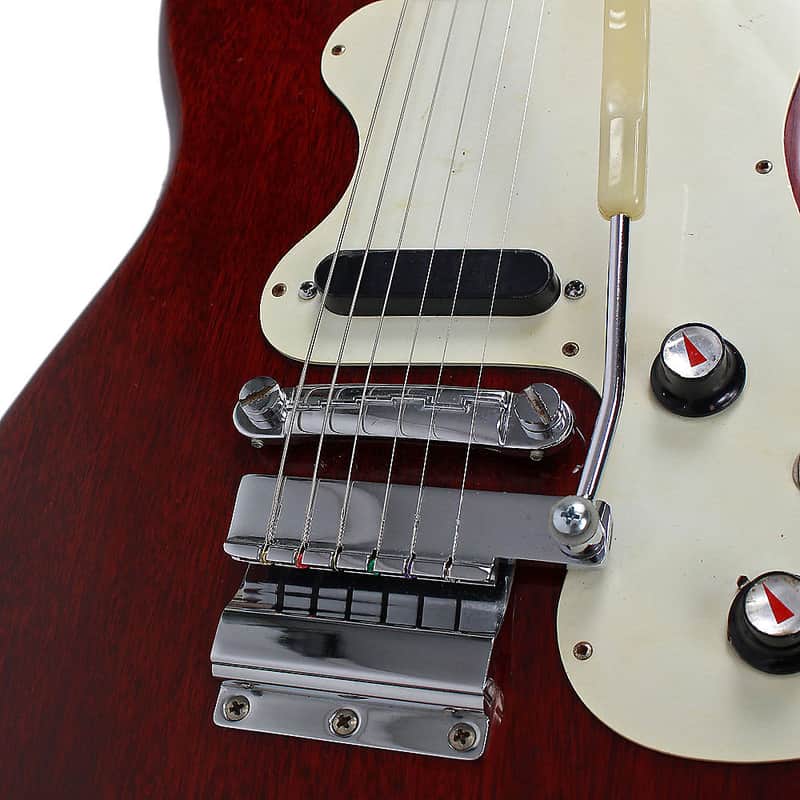
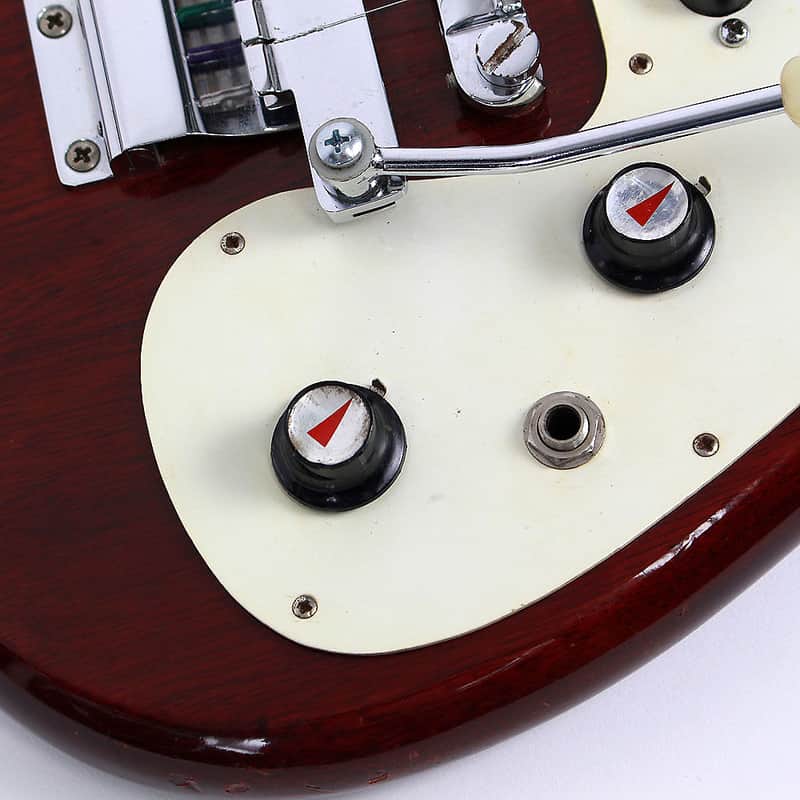
The second 1963 update to the Olympic would be the last of the original vintage run. This update kept the asymmetric body, but added an optional vibrato tailpiece, and switched from the Gibson-style open book headstock to Epiphone's "Batwing" 6-in-line headstock. Also available with two pickups on the Olympic Double with Maestro.
Reverb Price Guide
Estimated Value for Epiphone Olympic with Maestro 1963 - 1970 on Reverb
Includes material, year, finish
*Excludes Brand New, B Stock, Fair, Poor, and Non-functioning. Prices exclude shipping and tax/VAT/GST.