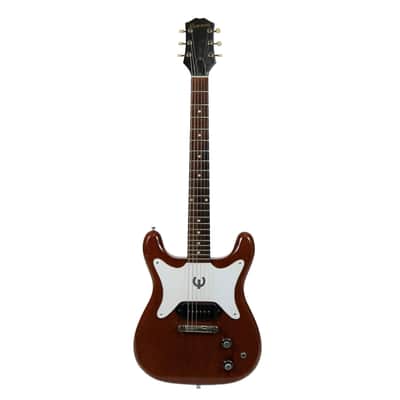
Epiphone Coronet 1960 - 1963
Compare 0 Listings
Product details
Gallery
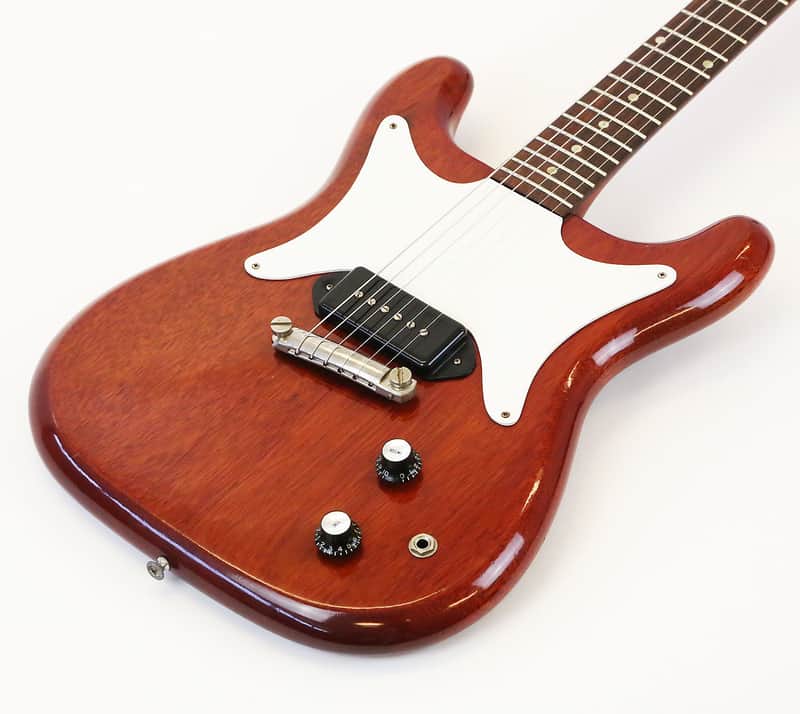
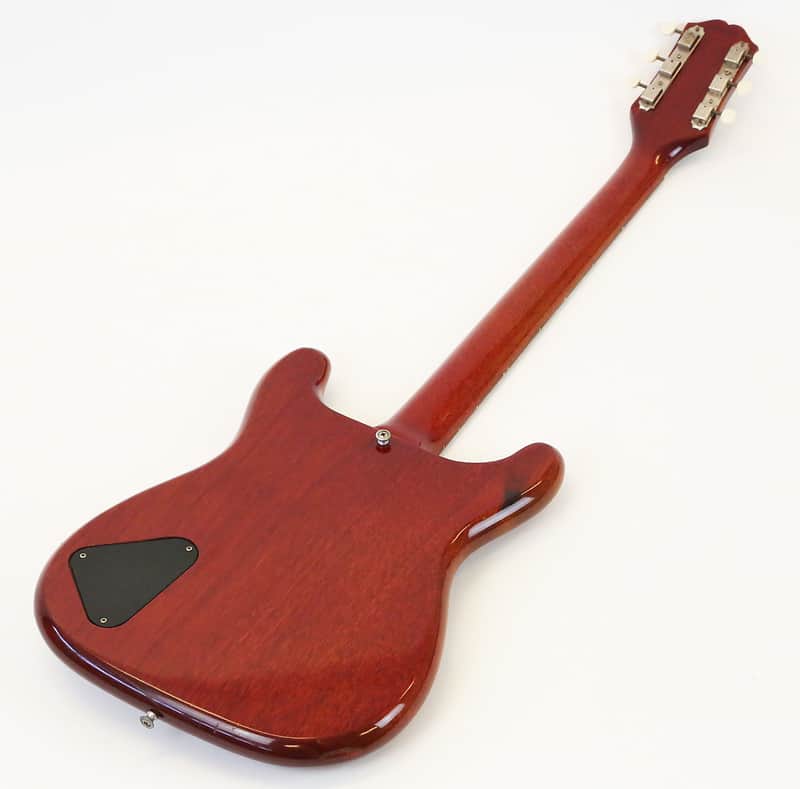
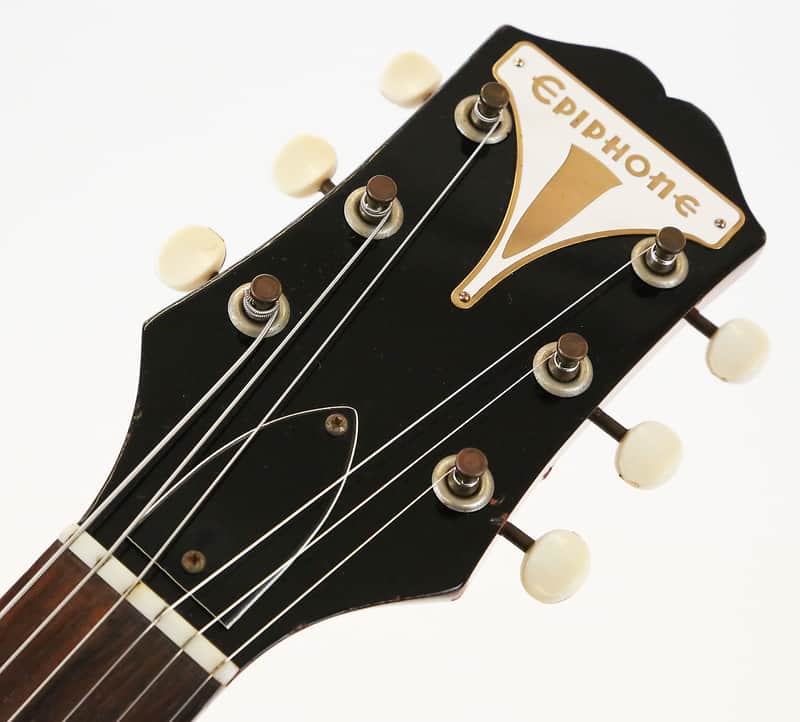
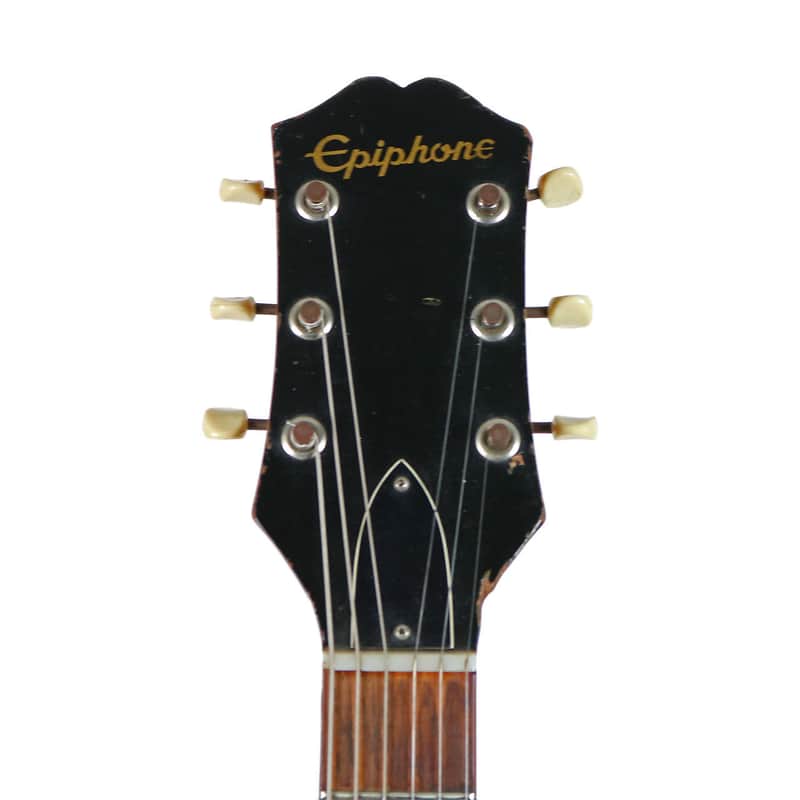
Product Specs
| Brand | |||||
|---|---|---|---|---|---|
| Model |
| ||||
| Finish |
| ||||
| Year |
| ||||
| Made In |
| ||||
| Categories | |||||
| Body Material |
| ||||
| Body Shape |
| ||||
| Body Type |
| ||||
| Bridge/Tailpiece Type |
| ||||
| Color Family |
| ||||
| Finish Style |
| ||||
| Fretboard Material |
| ||||
| Model Family | |||||
| Neck Construction |
| ||||
| Neck Material |
| ||||
| Number of Frets |
| ||||
| Number of Strings |
| ||||
| Offset Body |
| ||||
| Pickup Configuration |
| ||||
| Right / Left Handed |
| ||||
| Scale Length |
| ||||
| Wood Top Style |
| ||||
Overview
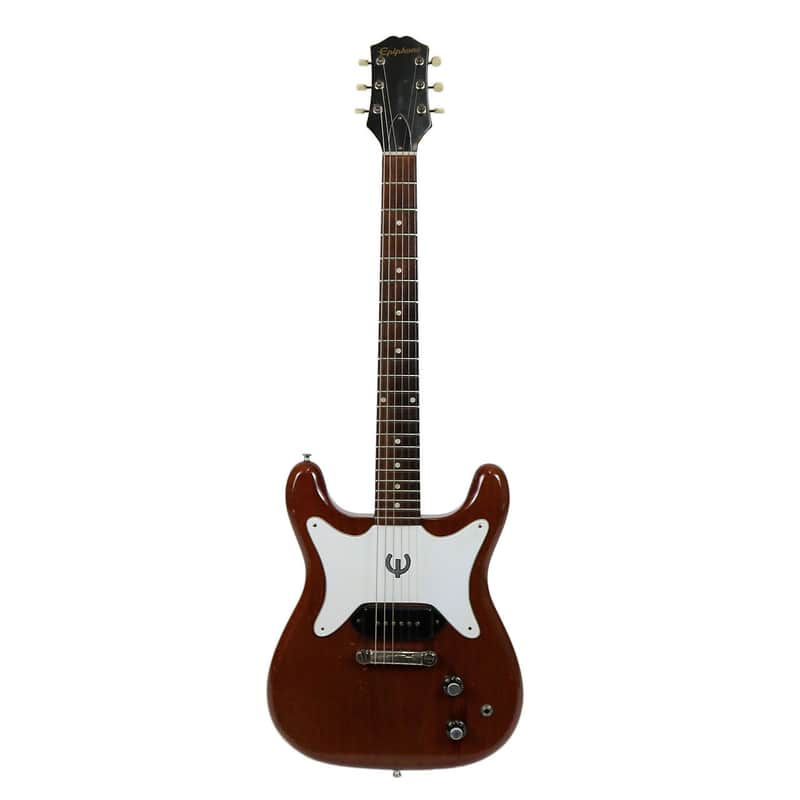
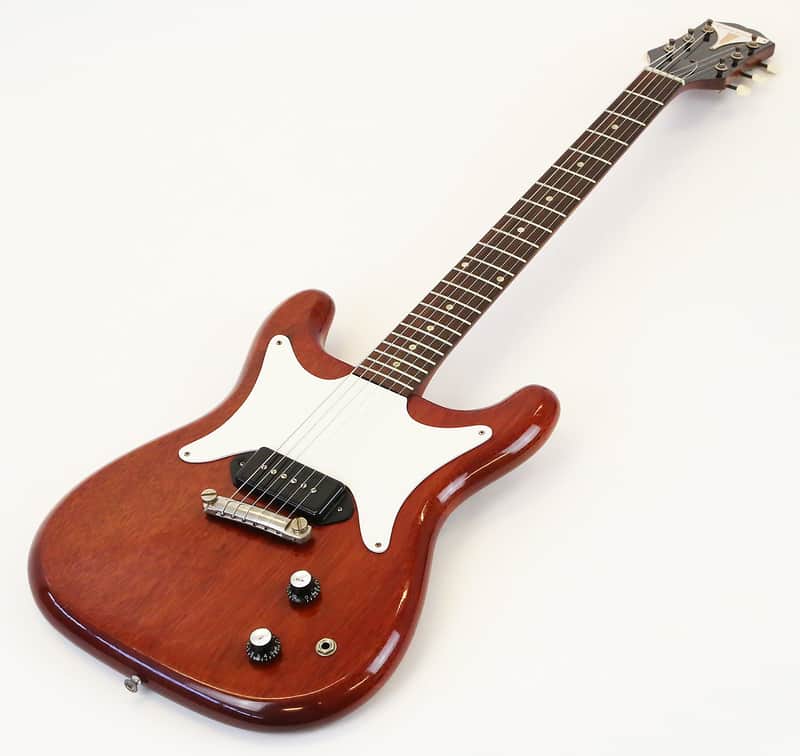
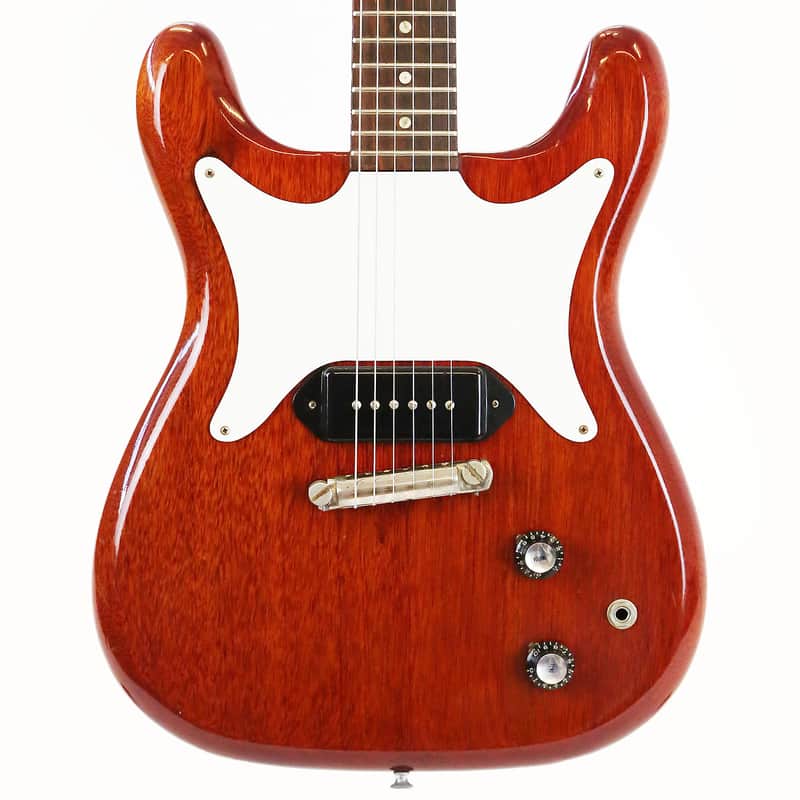
The second iteration of the Coronet saw the body slimmed down, and the original New York pickup replaced with a dogear P90. The initial "Symmetrical" body remained, but would be replaced with the "Asymmetrical" body midway through 1963 which would become the Coronet's shape for the duration of the model's original run. Earlier P90 models still used Epiphone's metal plate headstock logo, but late '62 and early '63 models switched to a silkscreen decal.
Reverb Price Guide
Estimated Value for Epiphone Coronet 1960 - 1963 on Reverb
Includes material, year, finish
*Excludes Brand New, B Stock, Fair, Poor, and Non-functioning. Prices exclude shipping and tax/VAT/GST.