Shrutis
Anuncios recientes
 $254$254
 Envío gratis
 $255$255Envío gratis

Amazing Teack Wood professional Harmonium, 45 years old, powerful and sweet sound, handmade
Segunda mano – Muy bueno$748$748Envío gratis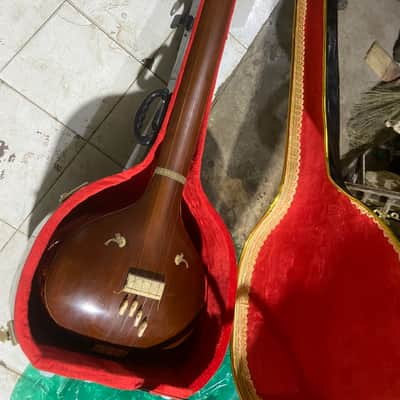 $1,549$1,549
 Precio original: $1,350. Precio actual: $900 ($450 de rebaja)$1,350$450 de rebaja$900
 Entrega local
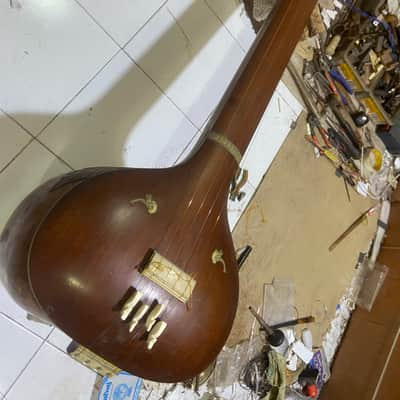
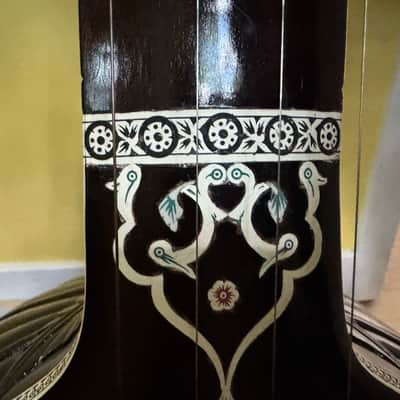
Amazing Vintage 75 years old Tanpura, by most Renowned Maker (Naskar's)
Segunda mano – Muy bueno$1,700$1,700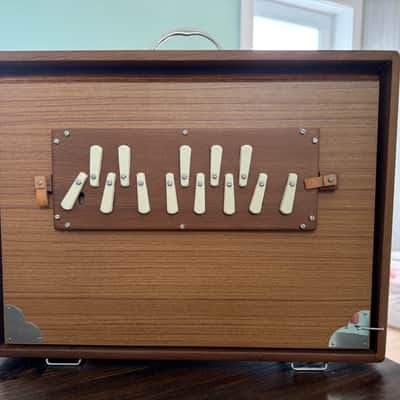 Precio original: $399. Precio actual: $315 ($84 de rebaja)$399$84 de rebaja$315

vintage 80 years old Rare Shruti Box, amazing sound, teackwood, Handmade
Segunda mano – Bueno$549$549Envío gratis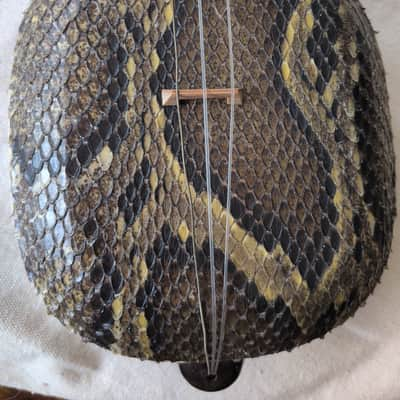 Rebaja
Da Sanxian Traditional Chinese plucked string instrument Rosewood Snake Skin 三弦
Segunda mano – Muy buenoPrecio original: $1,000. Precio actual: $900 ($100 de rebaja)$1,000$100 de rebaja$900
Dalsetina harmonium 45 years old, teack wood travel size
Segunda mano – Muy bueno$650$650Envío gratis $160$160


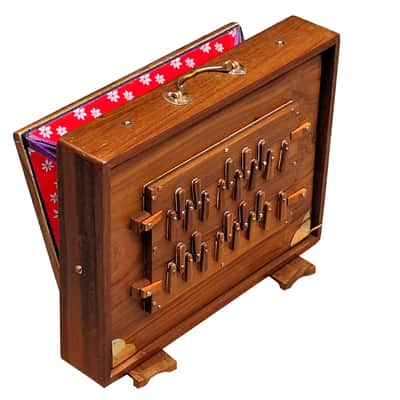
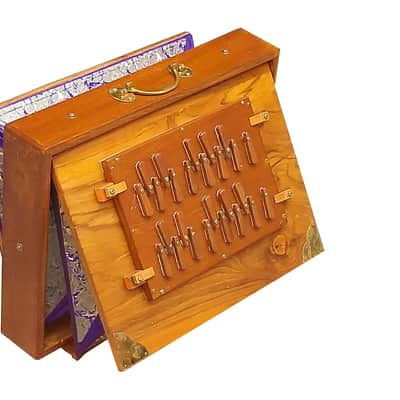
Shruti Boxes for Sale on Reverb
Before harmoniums came to India, there were shruti boxes. Shruti boxes produce an unmistakable sound that’s traditionally used to create beautifully haunting drones but can also be adjusted to create simple melodies. Whether you’re looking for a traditional pump shruti box or an electronic shruti box, Reverb has what you’re looking for.
What is a shruti box?
A shruti box instrument is primarily used in Indian music to produce a drone effect in a practice session or concert. It works on an internal system of bellows and is similar to a harmonium. Unlike a harmonium, which has keys, a shruti box has tabs or holes in the front that are opened and closed to produce different notes and chords.
What is a shruti box used for?
A shruti box is used to create a drone for practice or concert music, especially in India.
What is the cost of a shruti box?
While cost varies some, most shruti boxes cost between $150 and $300.
How do you use a Shruti box?
Shruti box music is created by opening up the holes or tabs on the front of the shruti box and simultaneously pumping the shruti box to keep air circulating through it. You can either keep the holes open while playing or you can use your fingers to open and close the holes. It’s often used as a drone instrument or with voice tuning.