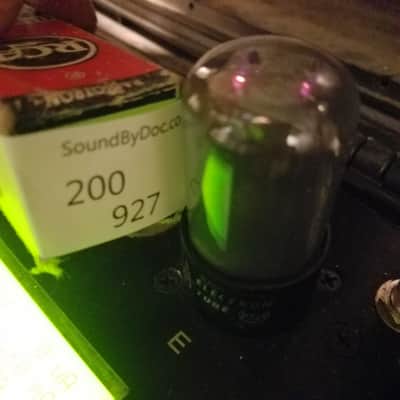
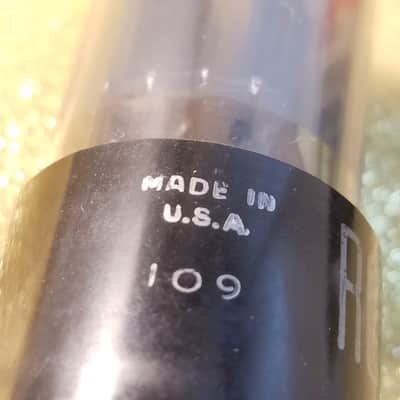
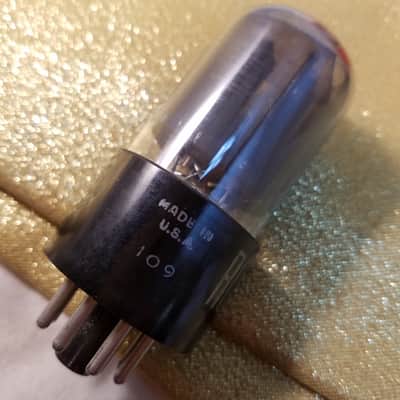
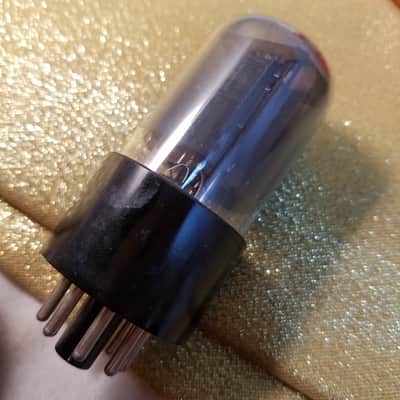
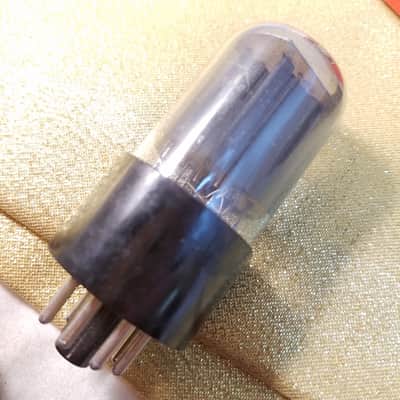
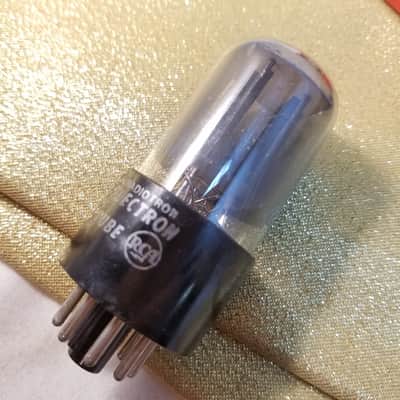
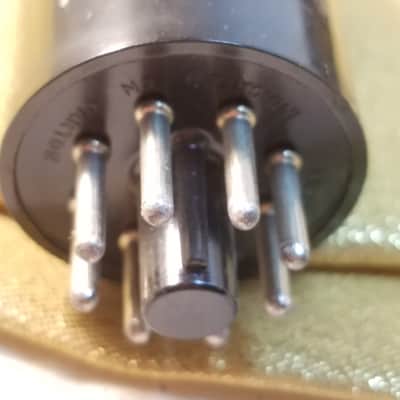
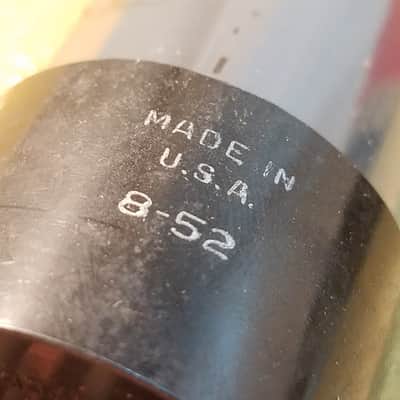
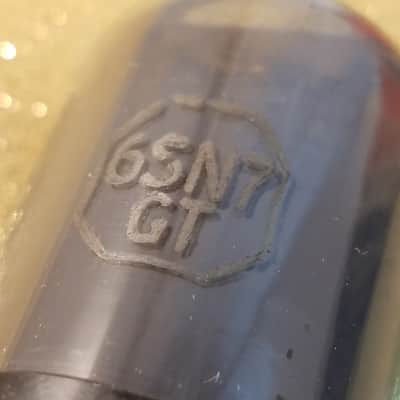
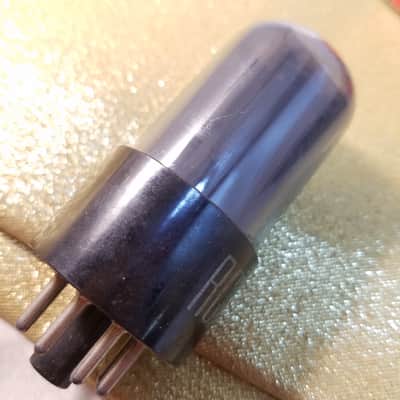
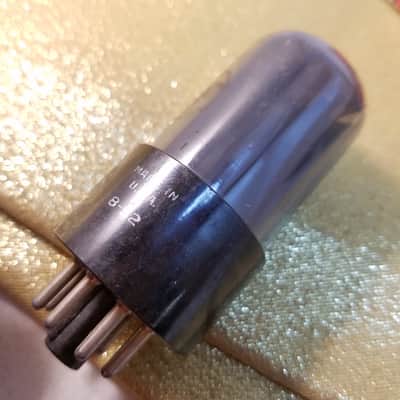
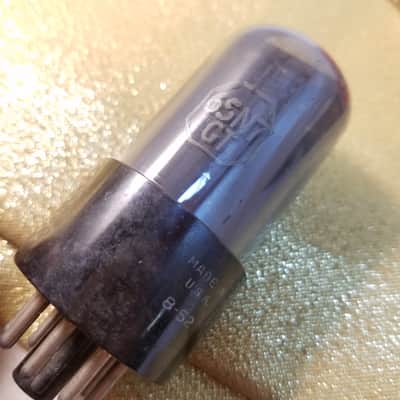
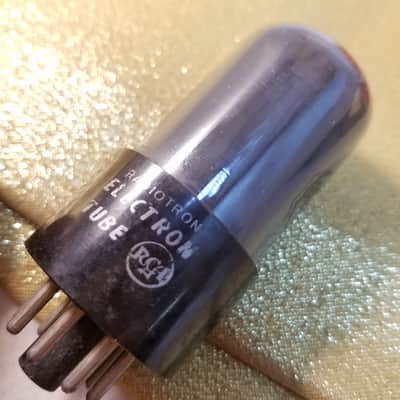
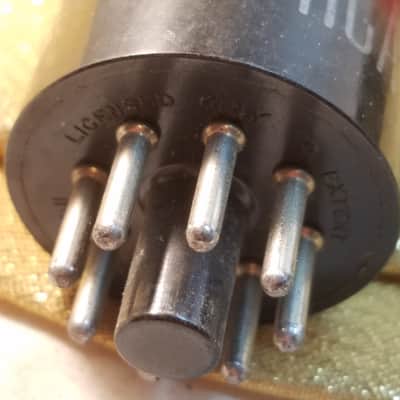
RCA Matched Pair (2) 6SN7GT tNOS AT1000 TESTED Vacuum Tubes greyglass T2 dual triode 1948-1952
Unsere Benutzer bewerten Reverb
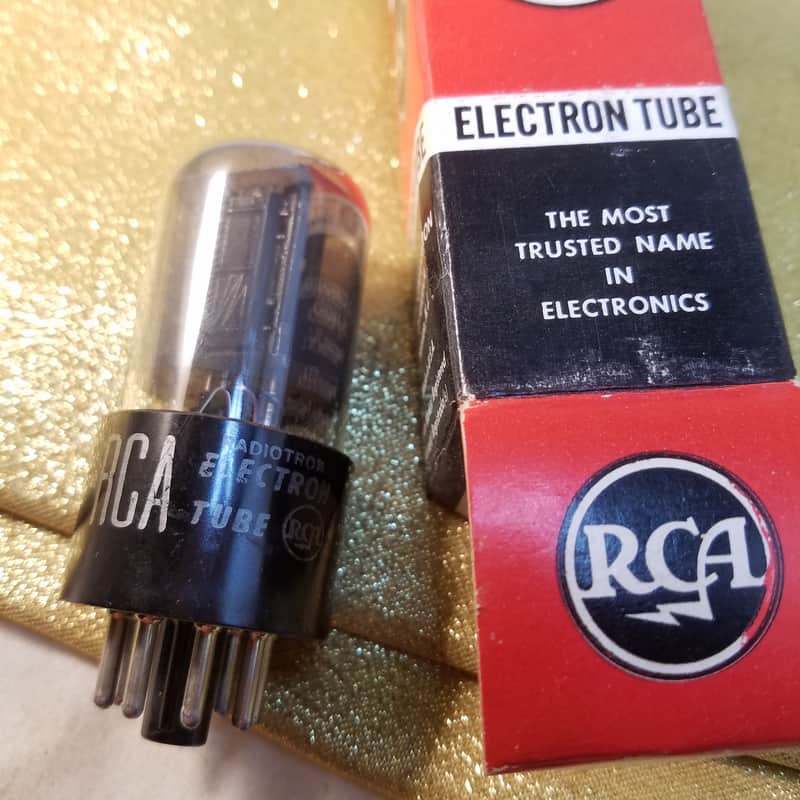
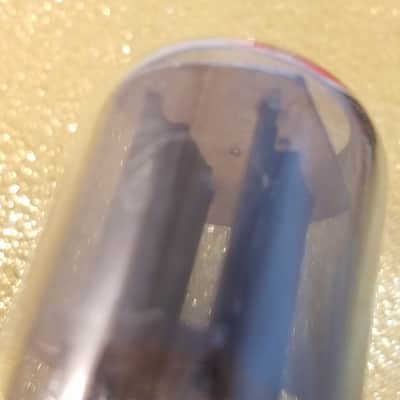
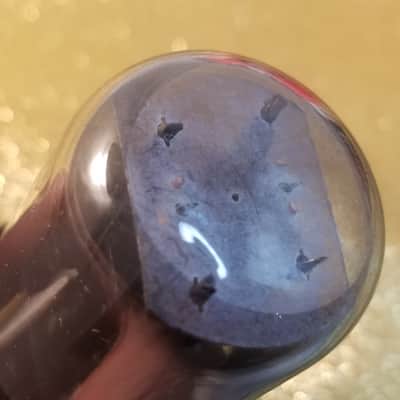
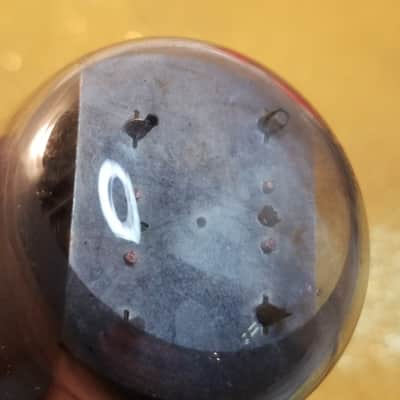
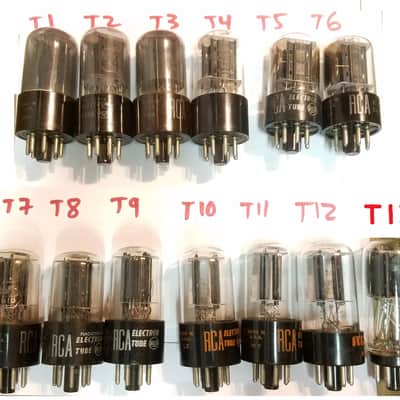
This SKU is the later smokey glass version, with a racetrack top mica.
The civilian 6SN7 tubes from RCA are given "type codes" by Sound by Doc as follows: T1 (1942-Oct 1948) GT Grey glass, bottom square getter, circular top mica with two side mica spacers at top. T2 (Oct 1948-52) grey glass, racetrack top mica. T3 (mid 1951) same as T2 but rare dark brown base. T4 (1952-early 55) clear glass. T5 (mid 1954-early 55) GTA short glass dual side getters, copper posts. T6 (late 1954-early 57) GTA/GTB single side getter, some copper posts. T7 (mid 1955-mid 56) GTB continuation of T4 style: bottom square getter, medium glass, copper posts. T8 (mid 1956-early 60) GTB nickel posts, silver ink. T9 (late 1959 [some] LM LQ codes) Rare separate rods type. T10 (1960-Aug 64) GTB Orange ink. T11 (May 1962 - Dec 62) Rare tight-separated plates type. T12 (1965-70) Short base. T13 (1971-2) Coin base.
These tubes have been selected to match one another for optimal performance! Matching is based on plate current for power tubes, voltage drop for rectifiers, and transconductance (Gm) for other tubes.
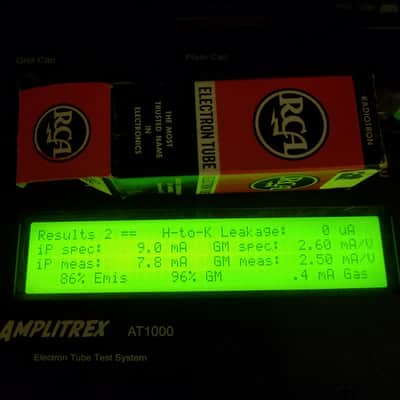
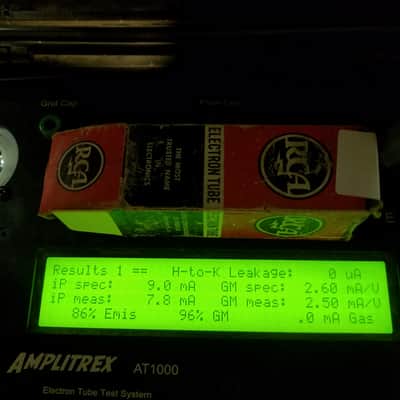
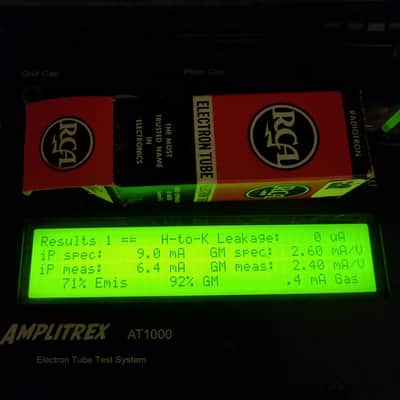
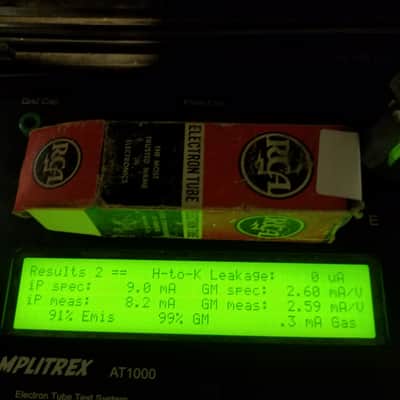
Your tubes have been fully tested on a computer-regulated, USA-made Amplitrex AT1000 on Fixed Bias setting with like new, NOS results (tNOS). Here's what that means: to qualify for this listing, several stringent conditions must be met: The transconductance for each section must measure between 2080 uMhos and 3120 uMhos, consistent with original 1948 RCA, Western Electric, Sylvania, GE, and/or Tung-Sol datasheet specifications for new tubes of this type. The tubes must also show no shorts, show a gas current less than 0.9 mA, and a heater-to-cathode leakage of less than 10 microamps (10 uA). The tubes might have mechanical wear or have the label rubbed off - these are very old! Used-testing tubes are available in a separate listing at a significant discount. Every tNOS or Used Good tube you receive from Sound By Doc is guaranteed against failure for 60 days after purchase, an industry extreme!
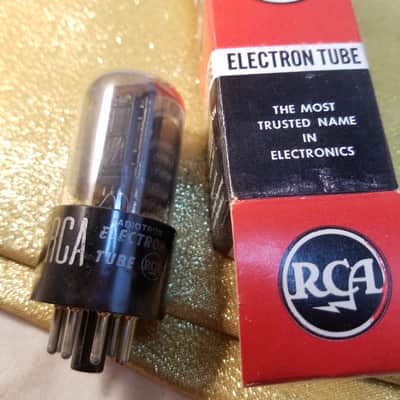
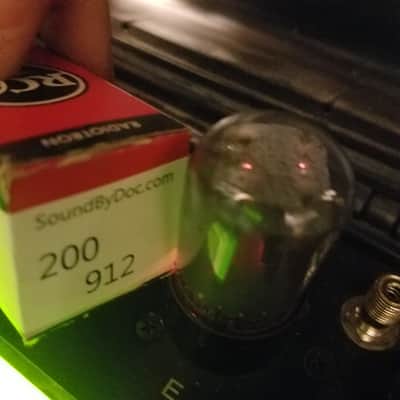
These photos are not stock photos. You are looking at the actual tubes you will receive. If a box or boxes are in the photos, you will get them. If test results appear in the photos, look close, because those are the test results of the tubes you will receive! SKU 6SN7-274T2mp. Please note that matching is nearly always possible for us from stock that is inventoried but not yet listed. If you need a matched pair or quad etc., please use the make-an-offer feature through Reverb. Matching requires an extra burst of effort, so please add $5 per tube to your offer for 10% matching and $10 per tube for 4% matching. [Matching is based on plate current for power tubes, voltage drop for rectifiers, and GM for all other tubes. If you also require the label or internals to match, please specify that in your offer.]
| Inseriert | vor einem Jahr |
|---|---|
| Zustand | Sehr gut (Gebraucht) Artikel im Zustand Sehr gut können ein paar Makel oder Macken haben, aber funktionieren einwandfrei und sind ingesamt gut erhalten.Weitere Informationen |
| Marke | |
| Modell |
|
| Kategorien | |
| Jahr |
|
| Hergestellt in |
|
Möglicherweise sind hier Informationen zur Produktsicherheit verfügbar.

Reverb-Schutz
Einfache Rücksendungen, sichere Transaktionen, Support von Experten
Weitere Informationen