Rode NTG1 Premium Condenser Shotgun Microphone with Supercardioid Pickup


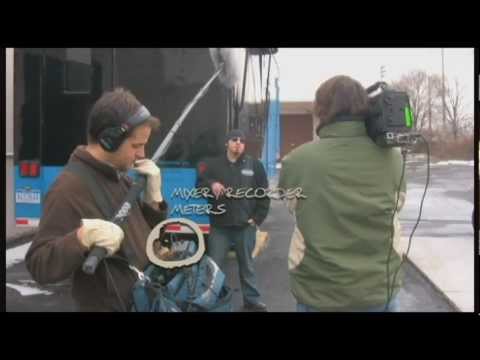
Rode NTG1 Premium Condenser Shotgun Microphone with Supercardioid Pickup
Il venditore non ha impostato il costo di spedizione per Italia. Per favore contatta e chiedigli il costo della spedizione.


Politica per i resi entro 30 giorni
Concediti il massimo della tranquillità con il tuo nuovo strumento
I nostri utenti valutano Reverb
The Rode NTG1 is the entry point to Rode's NTG broadcast shotgun line, engineered for one job: clean dialogue capture on location, off a boom pole, in front of a DSLR, or slung over a field recorder. At 3.7 oz with an 8.6 in aluminum body, it is the lightest mic in the NTG family — a deliberate weight target so a boom operator can hold it overhead through a 12-hour shoot without fatigue. Supercardioid pickup, 18 dBA self-noise, and a switchable 80 Hz high-pass filter give you the same factual building blocks the pricier NTG bodies start from. This is the broadcast shotgun you pick when budget matters and quality cannot slip.
How a Supercardioid Interference Tube Tightens Your Dialogue TrackThe NTG1's 8.6 in slotted interference tube creates the on-axis pickup window that gives shotgun mics their reach. Sounds arriving from the front travel straight to the capsule. Sounds arriving from the sides cancel against the tube slots before they hit the diaphragm. The result on a noisy set: the actor speaking into the front of the mic is clear, the crew member shifting weight off-axis is rejected, and the room reflections behind the camera fall off sharply. This is why boom operators reach for shotgun mics instead of cardioids when the dialogue source is more than two feet from the capsule.
18 dBA Self-Noise: Why the Floor Matters for On-Camera DialogueSelf-noise is the hiss the microphone generates with no signal present. At 18 dBA the NTG1 is quiet enough that you can mic dialogue at boom distance and the room tone stays clean — no preamp hiss bleeding into the quiet moments between lines. For documentary and indie filmmakers cutting dialogue tight, the noise floor is the difference between a take you ship and a take you re-shoot. The NTG1 sits in the same noise tier as field recorders most independent productions are working with, so the mic does not become the weak link in the signal chain.
Switchable 80 Hz High-Pass Filter Removes Set Rumble Before the PreampThe 80 Hz switch on the body engages a roll-off that cuts everything below the human vocal fundamental. HVAC rumble, distant traffic, footsteps on the floor above, even handling noise from the boom pole all live in that low end. Engaging the filter at the capsule keeps that energy out of the signal chain entirely — your preamp does not have to fight it, your recorder does not commit it to disk, and your post-production EQ does not have to chase it. One switch, one fewer problem in post.
P24 or P48 Phantom Power for Camera Preamps, Field Recorders, and Mixer InputsThe NTG1 runs from either 24V or 48V phantom power. That dual-voltage spec matters in the field because it means the same mic powers from a Sound Devices field recorder, a Zoom F6 or F3, the XLR preamp on a Tascam DR-60D, a Saramonic mixer, or a Canon C70 body without negotiating voltage. P48 is the studio default; P24 is what some camera bodies and battery-powered recorders supply. The NTG1 does not care which one feeds it.
Built for the Stress of Location RecordingThe aluminum body is finished in hard-wearing epoxy paint — not because it looks nice, but because shotgun mics live in mic bags, get bumped on doorframes, and sit in dust and humidity. The body shrugs that off. The 3-pin XLR connector is the same broadcast standard every field recorder, mixer, and camera body expects. The ZP1 zip pouch and WS6 foam windshield ship in the box, so the mic arrives ready for the first shoot.
Who Buys the NTG1 — Indie Filmmakers, Documentary Crews, and Boom-Op First-TimersThe first-time buyer is an indie filmmaker or YouTuber who needs broadcast-grade dialogue capture and has been getting by on a camera-mount shotgun that picks up too much room. The NTG1 is the upgrade path. The upgrader has been using a camera built-in mic or a cheap unbranded shotgun and wants a real Rode NTG body without the price jump to the NTG2 or NTG3. The comparison shopper is weighing the NTG1 against entry-level shotguns from other brands — the 18 dBA self-noise, the broadcast-standard XLR output, and the lifetime of Rode's NTG family lineage are the spec floor that closes the decision.
| Condizione | Nuovo (Nuovo) Gli articoli "Nuovi” sono venduti da un rivenditore autorizzato o dal produttore originale e comprendono l’imballo originale.Scopri di più |
|---|---|
| Marchio | |
| Modello |
|
| Categorie | |
| Anno |
|
Le informazioni sulla sicurezza del prodotto sono disponibili qui.

Protezione di Reverb
Resi semplici, transazioni sicure, assistenza di persone in carne e ossa
Scopri di più