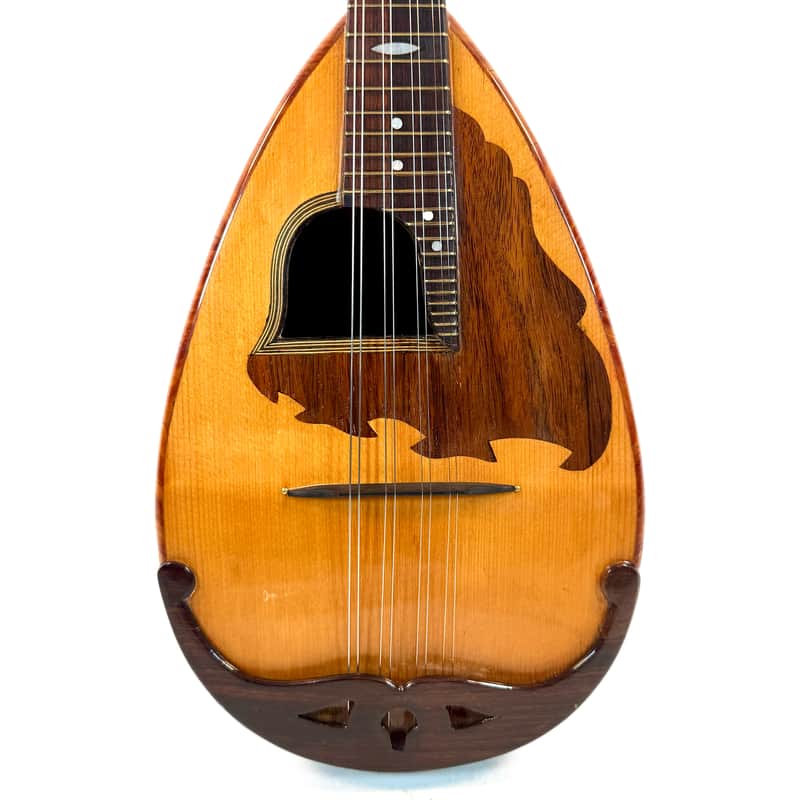
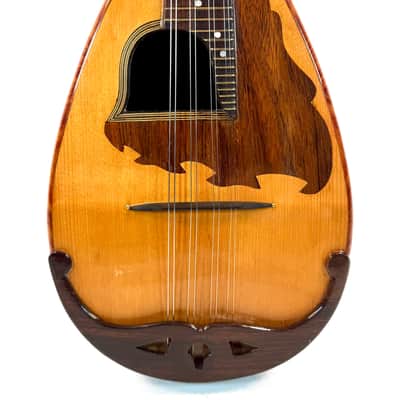
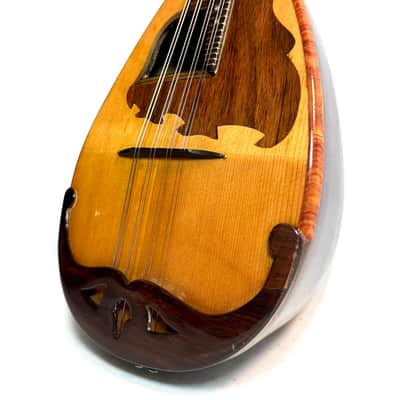
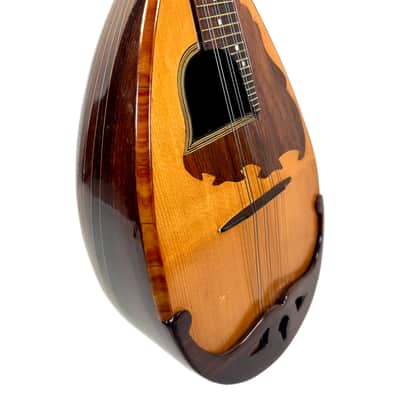
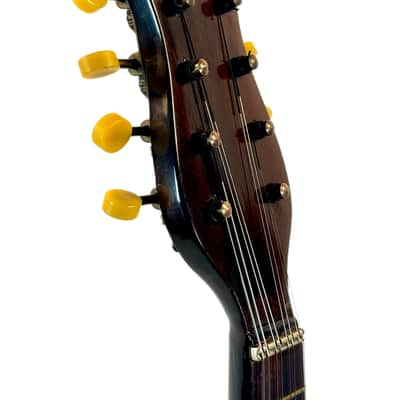
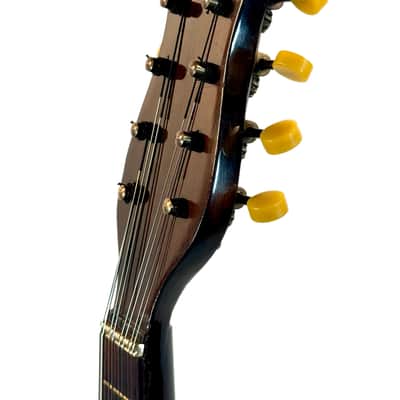
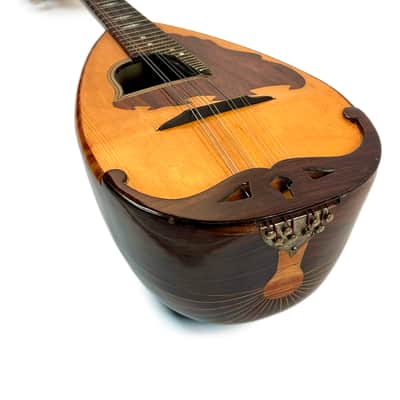
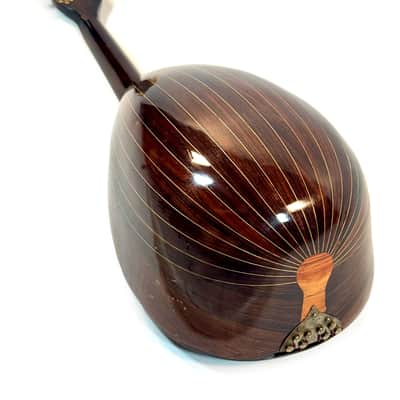
Concert Mandolin E. De Cristofaro 1930's



Politica per i resi entro 14 giorni
Concediti il massimo della tranquillità con il tuo nuovo strumento
I nostri utenti valutano Reverb
Translation of the uploaded text:
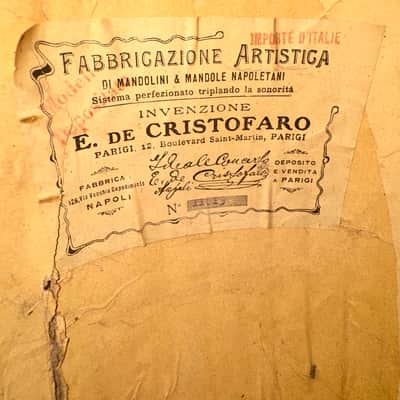
Born from one of the most renowned Neapolitan lutherie workshops, this 1930s E. De Cristofaro concert mandolin stands as a testament to the craftsmanship that greatly contributed to the international prominence of the Italian mandolin.
The history of E. De Cristofaro is closely intertwined with that of the mandolin’s revival in Europe at the end of the 19th century.
Born in Naples on February 11, 1870, Édouard De Cristofaro grew up in an environment entirely devoted to this emblematic instrument of Southern Italy.
He was the son of Ferdinando De Cristofaro (1846–1890), regarded as one of the greatest mandolin virtuosos of his time, as well as a composer, educator, and author of a method book that actively contributed to the spread of the instrument throughout Europe.
Through his tours and teaching activities, Ferdinando helped bring the mandolin into concert halls and conservatories, paving the way for a genuine European fascination with the instrument.
Rather than pursuing a career as a performer, Édouard chose to perpetuate the family legacy through lutherie.
In 1892, he settled in Paris while maintaining close ties with Naples, thus creating a bridge between the historic birthplace of the mandolin and one of the most influential cultural capitals of the era.
This strategic position allowed him to distribute his instruments widely during the golden age of the mandolin, a period during which plectrum orchestras and mandolin ensembles enjoyed considerable success throughout Europe.
Mandolins bearing the E. De Cristofaro name quickly distinguished themselves through their quality of construction, decorative elegance, and several features that became hallmarks of the workshop.
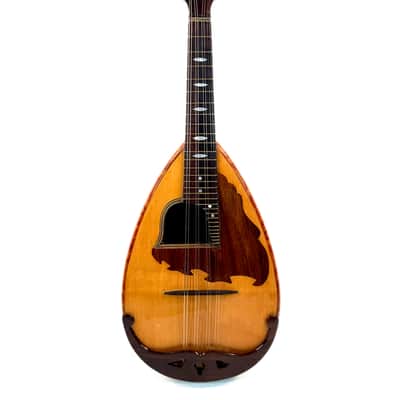
This concert mandolin, crafted in the early 1930s, is a remarkable example of that tradition.
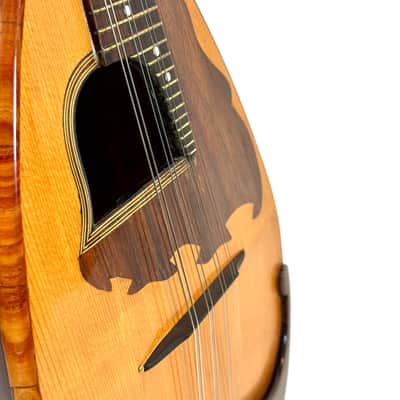
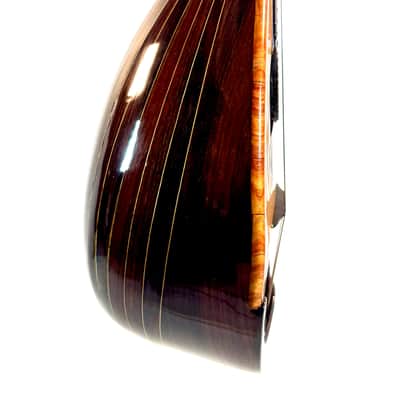
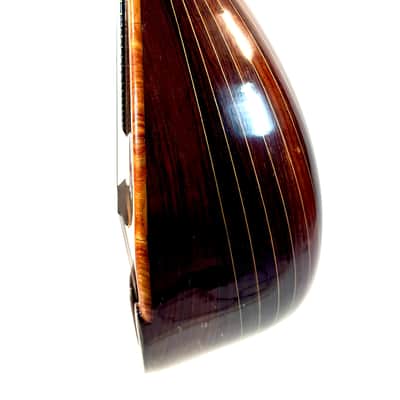
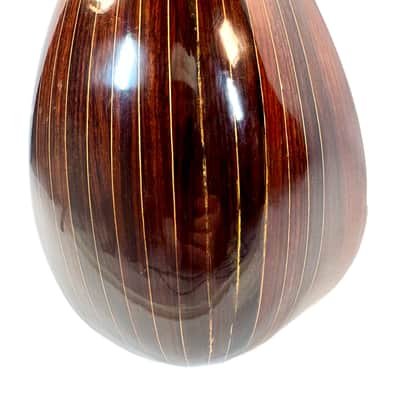
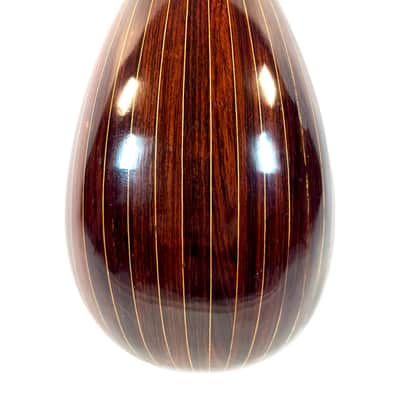
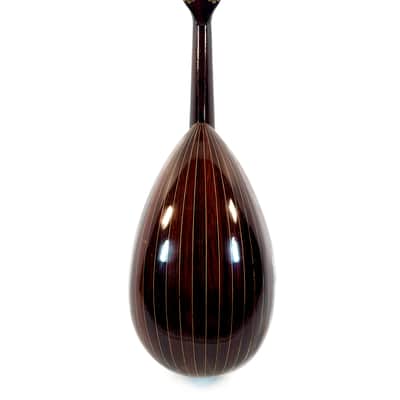
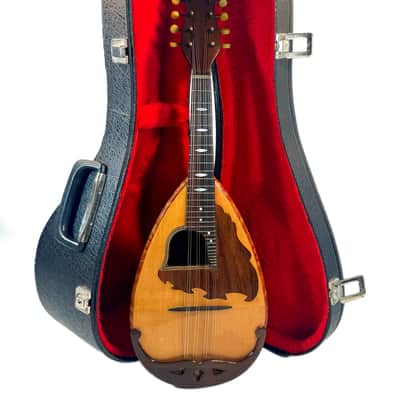
Its traditional bowl-back body, made from multiple ribs assembled according to the purest Neapolitan tradition, is paired here with an elegant side soundhole in a distinctive “D” shape, one of the most recognizable visual signatures of De Cristofaro instruments.
Beyond its singular aesthetic appeal, this design also contributes to the instrument’s acoustic identity by promoting direct sound projection and exceptional note definition.
At a time when Italian instrument making had reached its full maturity, De Cristofaro instruments were prized for their balance, responsiveness, and musicality, and this mandolin is no exception.
Designed for concert performers as well as discerning enthusiasts, this mandolin embodies the meeting point between Neapolitan craftsmanship and the musical demands of a repertoire undergoing rapid evolution between the late 1920s and early 1930s.
Produced during the final years of Édouard De Cristofaro’s career, before his passing in Paris in 1932, this mandolin remains today a valuable witness to a particularly rich period in the history of Italian lutherie and the vibrant musical life of Paris.
Combining the legacy of a great dynasty of mandolinists with the expertise of one of Naples’ most celebrated workshops, this 1930s E. De Cristofaro concert mandolin represents a highly desirable instrument for musicians and collectors seeking authenticity, character, and musicality.
Technical Specifications:
- Top: Spruce
- Back: Rosewood, 21-rib bowl back
- Neck: Beech with rosewood veneer
- Fingerboard: Rosewood
- Nut Width: 28 mm
- Radius: Flat
- Frets: 29 frets
- Scale Length: 335 mm
- Neck Profile: D
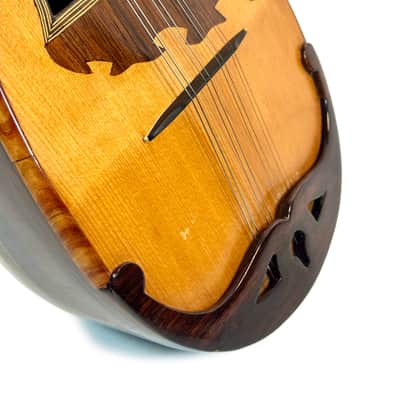
- Pickguard: Rosewood
- Country of Manufacture: Italy / France
- Year: 1930s
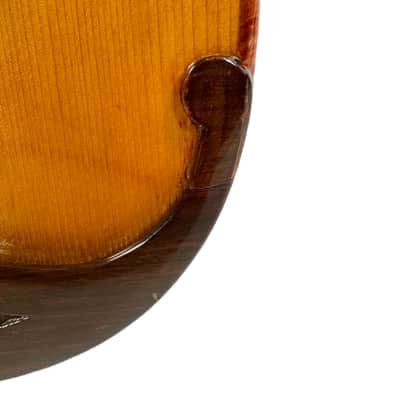
- Finish: Natural (refinished and repolished varnish)
- Appointments: Fingerboard markers in mother-of-pearl almond shapes and dots / Rosewood top binding / Rosette purfling
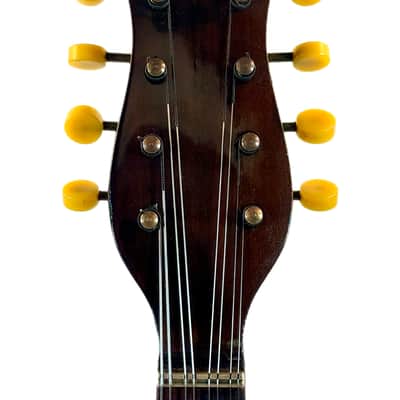
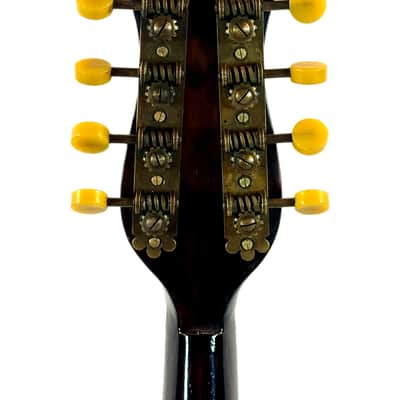
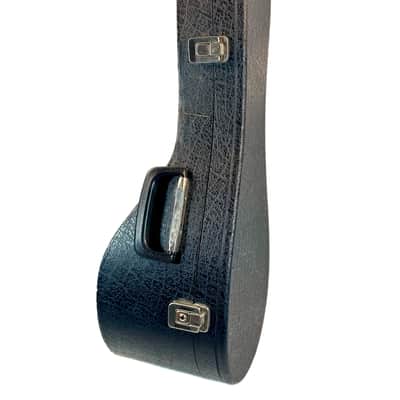
- Details: Armrest repaired / Rib repairs / Refinished varnish / Non-original bridge / Excellent playing condition / Comes in its 1970s case
Like all of our instruments, this mandolin has been carefully set up and adjusted.
As a result, it offers outstanding playing comfort, with a remarkably supple feel enhanced in particular by its Fisoma Supersolo flatwound string set.
Its voice is distinguished by its broad, brilliant projection, exceptionally quick response, and precise articulation, delivering all the expressive richness sought after in the finest Neapolitan concert mandolins.
Bright, warm, and remarkably well balanced, it reveals a refined tonal character with generous overtones that lend every performance an elegant and captivating musical presence. Its singing voice, supported by excellent depth and particularly rich resonance, faithfully conveys all the character and charm of the finest Neapolitan instruments of the interwar period.
| Pubblicato | 3 giorni fa |
|---|---|
| Condizione | Molto buono (Usato) Gli articoli "Molto buoni" possono mostrare qualche piccolo segno o graffio ma sono pienamente funzionali e in buone condizioni generali.Scopri di più |
| Marchio |
|
| Modello |
|
| Finish |
|
| Categorie | |
| Anno |
|
| Prodotto in |
|
Le informazioni sulla sicurezza del prodotto sono disponibili qui.

Protezione di Reverb
Resi semplici, transazioni sicure, assistenza di persone in carne e ossa
Scopri di più