A lot of beginner production gear guides start with some obvious suggestions for building a home studio. It's 2023, you're reading this on the internet, you're interested in music production… we're going to go ahead and assume you have some kind of computer and a preferred DAW already.
But do you need some help choosing studio monitors, headphones for mixing and recording, or suggestions for the best MIDI controllers and audio interfaces available in 2023? You know, music production gear that's good but not expensive? We have you covered.
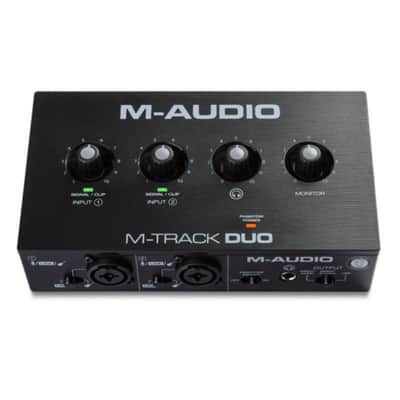
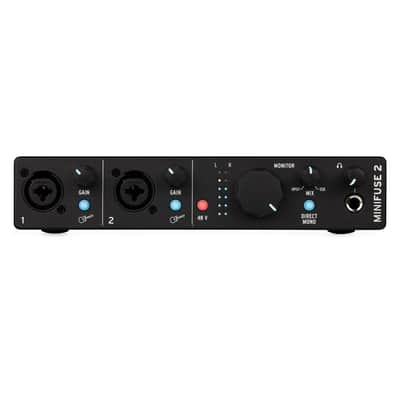
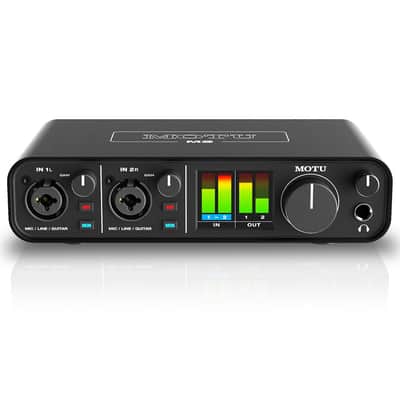
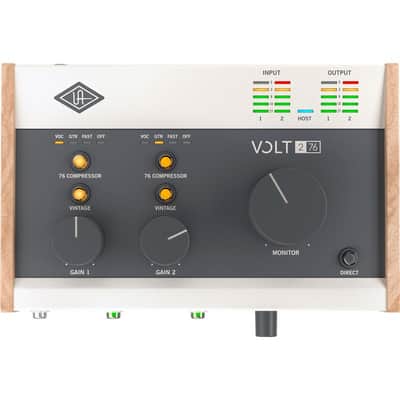
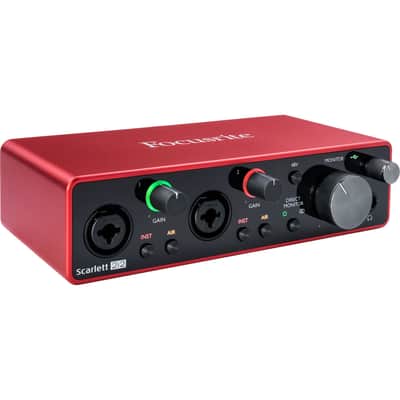
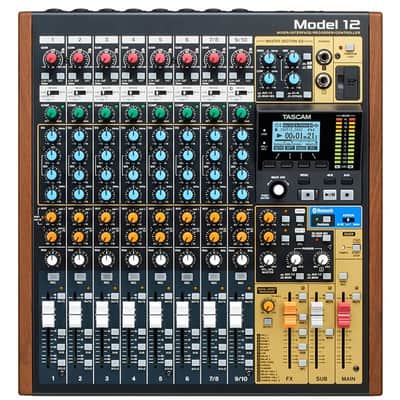
Audio interfaces (aka soundcards) don't have to be complicated. In fact, there's just a few things they need to do: 1. They need to have inputs for the mics/instruments you want to record, and outputs for your speakers/headphones. 2. They need to connect to your computer.
For point No. 1, just go ahead and buy a two-input, two-output interface to start. You'll be able to record vocals, hear your mixes, and—if you or a friend has a synth or guitar—you can record them without issue. If you already have a drum machine, sampler, or synth with MIDI (or think you will soon), buy an interface that has MIDI connections too (like the Motu M2 or Arturia Minifuse 2 above). No need for MIDI but want a buit-in, 1176-style compressor, spend a little more for the UA Volt 276.
For point No. 2, check what ports your computer has and compare that to an interface's connectivity. Most new beginner-friendly interfaces connect with the latest USB-C (aka the small USB 3.0 Type-C). If you have an older computer, you might have the larger USB 2.0 or USB 3.0 Type A ports.
If this is the case, you can buy an adapter or external USB hub that will work just fine. But make sure you know and buy whatever else you need at the same time. There's nothing more annoying than unpacking a new piece of gear and then realizing you don't have the right cable to use it.
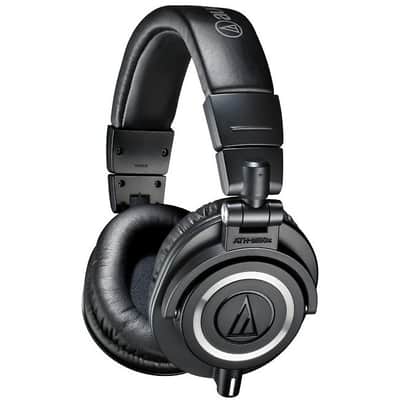
Headphones that are good for mixing and recording are different than consumer headphones meant for casual music listening. The ideal studio headphone set has a relatively flat response, so that they give you an honest representation of what's going on with your tracks. (Consumer headphones will often boost certain frequencies to help make the listening experience more enjoyable.)
With studio headphones (and studio monitors) especially, you often get what you pay for. The absolute cheapest options are likely going to sound like the cheapest options. Since you're going to be listening back to music for hours on end, you want to be able to trust what you hear and have a comfortable set on your head. So you owe it to yourself to get the nicest headphones your budget allows.
Mainstays like the Audio-Technica ATH-50X will get the job done, but you'll find Beyerdynamic DT770s in project and pro studios across the world for a reason. And if you're primarily mixing (instead of both mixing and recording), check out open-back headphone designs for extra comfort and clarity.
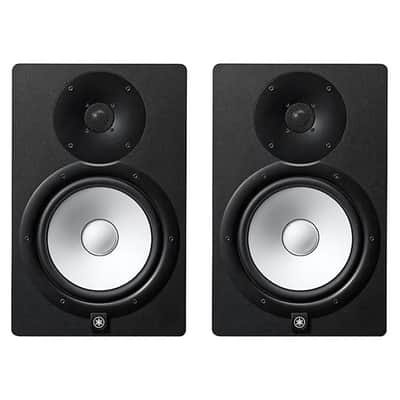
As with headphones, you often get what you pay for with studio monitors. But that doesn't mean there aren't any good, affordable powered speakers for your home studio.
If you want to hear bass frequencies—and, well, who doesn't?—it's really a matter of physics. You either need a big speaker, a well-designed bass port, or a separate subwoofer. (And for the lowest lows, you really do need a subwoofer.) Assuming that you only want two monitors to start, all of our suggestions above can give you a decent bass response all by themselves.
Yamaha's HS8s are best-sellers year after year. Thanks to their 8" woofers, they'll provide a bass response to around 50Hz, and if you want to go lower, you can buy the separate HS8S sub. While the KRK RP-5 Rokits we suggest here have smaller, 5" woofers, they also contain built-in bass ports for extra low-end.
If you're looking at speakers without a bass port and you are not planning to add a subwoofer, you should avoid monitors smaller than 7" or 8". You will simply not be able to hear lower frequencies that are actually present in your mix.
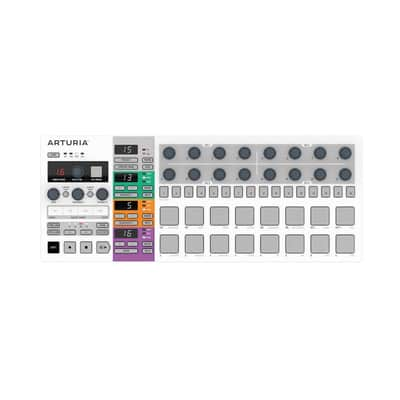
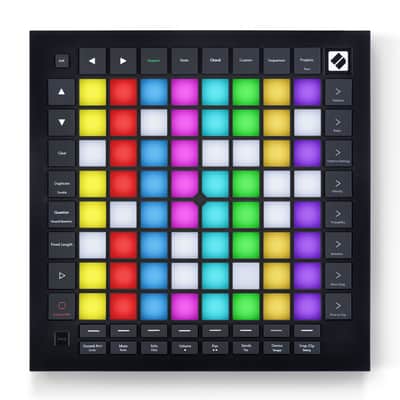
MIDI controllers are an open canvas. They don't make any sound on their own and are really just there to serve your needs. So when deciding which MIDI controller to buy, you should imagine how you'll want to control your music software and make the choice that's right for you.
If you know your way around keys or plan to learn, a keyboard-based controller makes a lot of sense. You can assign drum sounds to keys the same way you can assign them to pads, but you get the added benefit of being able to play chords and melodies in a traditional manner. The real question to ask yourself is: What size keyboard will fit in my home studio? And what extra bells and whistles—pads, faders, rotary knobs, weighted keys—do I really need?
But hey, not all of us are keys players, and that's OK. Fully pad-based controllers are great for beatmaking, but they're flexible and useful even beyond that. You'll be able to trigger any sample, instrument, or loop you assign to the pads—completely free of the traditional piano setup. And pads are often more comfortable than plastic keys anyway.
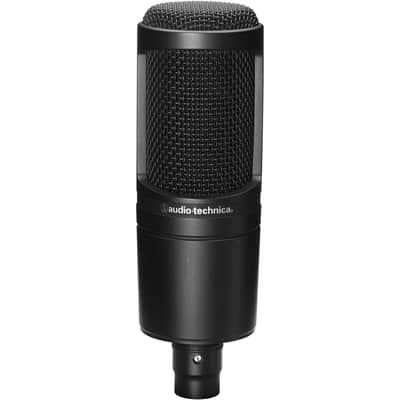
A lot of beginner production tutorials well tell you to get one single condenser mic—something like the Audio-Technica AT-2020 or Rode NT-1A. These are perfectly fine choices for a first mic, especially if you're primarily recording vocals, but there's no reason to neglect a solid dynamic mic.
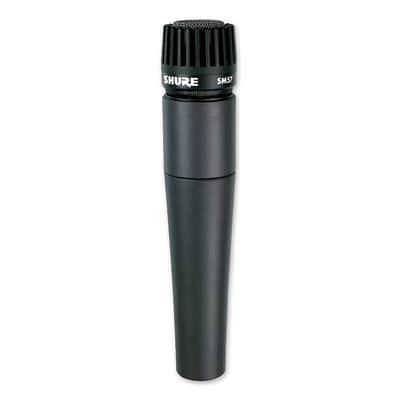
The Shure SM57 is an all-time best-seller, known for its ability to be placed right up against a loud guitar amp or snare drum without issue. But it's also a fine vocal mic (virtually the same as the SM58s singers use on stage everywhere), and the 57 will zone out most of the undesirable background noise you might have in a basement, home, or garage studio. The SM7B is a dynamic mic equally at home in pro studios or bedrooms, great for vocals, drums, guitars, or really anything else. It could be the only mic your home studio ever really needs.
This is all to say, don't get hung up on the idea of getting a condenser, especially if you don't have much money to spend. High-quality condenser mics are worth every dollar (and they can be a lot of dollars), but the difference in audio quality between a decent dynamic mic and a cheap condenser is negligible, and the dynamic mic could be more useful for recording live instruments.
If most of your music production experience is on a computer, you're missing out. Hardware drum machines, samplers, and grooveboxes give you sounds and hands-on control you can never match 100% with software. Even having a few hardware machines within reach can exponentially increase the fun and creativity in your studio.
Teenage Engineering's Pocket Operators series and Korg's Volca line offer cheap thrills, and punch way above their weight. And mini-workstations and grooveboxes like the Novation Circuit Tracks are basically all-in-one production studios.
Want to really treat yourself (and your guests)? Grab one of the new Roland SP-404 MKII samplers, which gives you next-level control over any audio sample or loop, while maintaining a simple workflow.