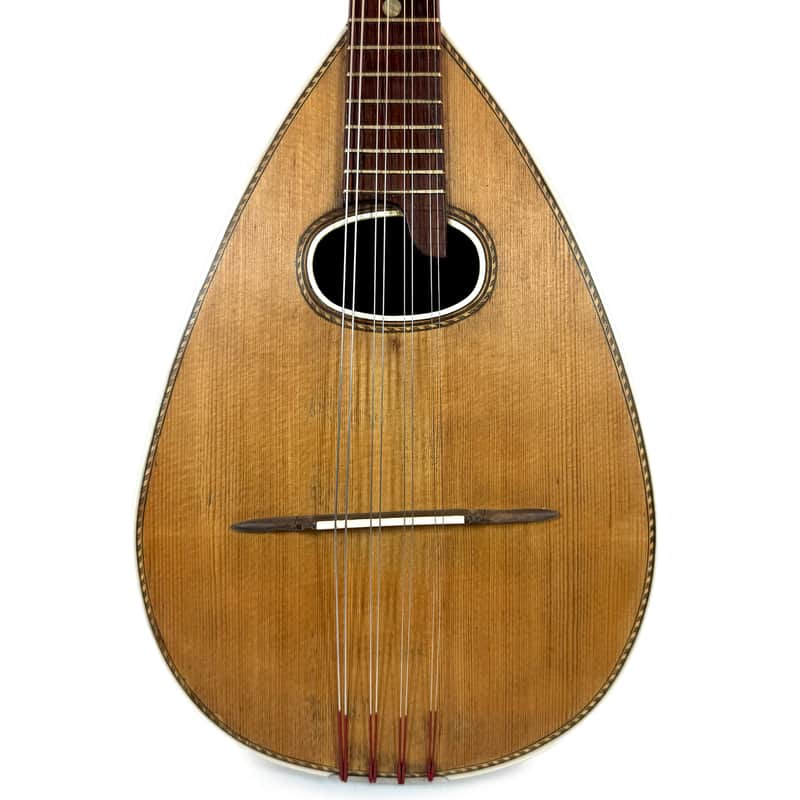
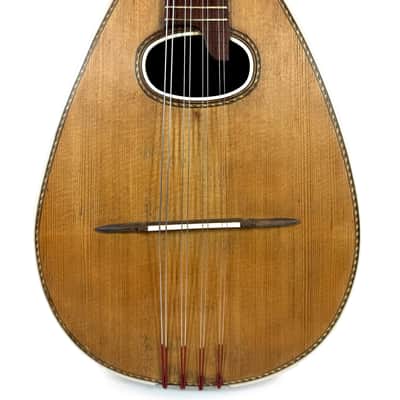
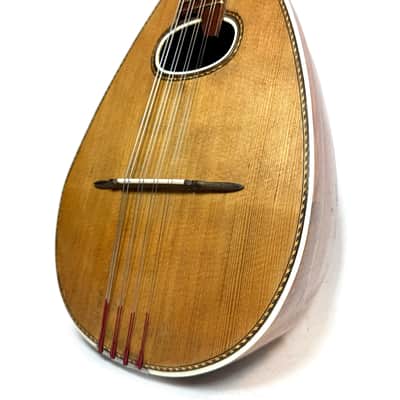
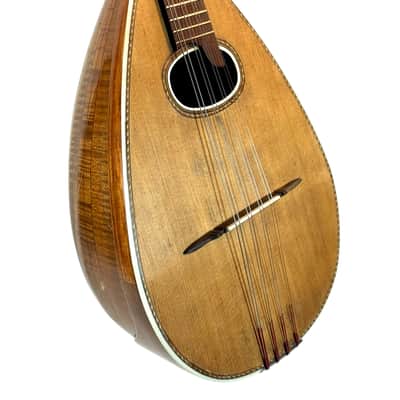
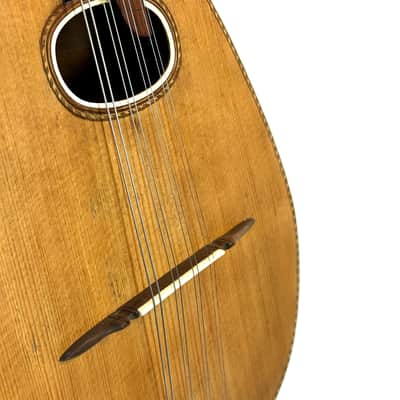
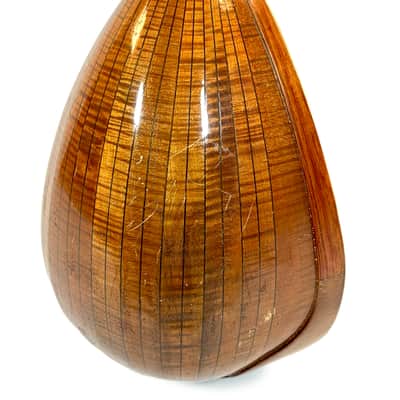
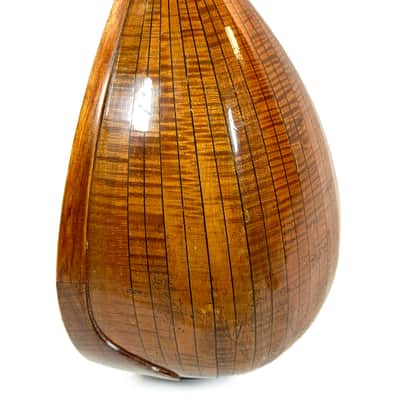
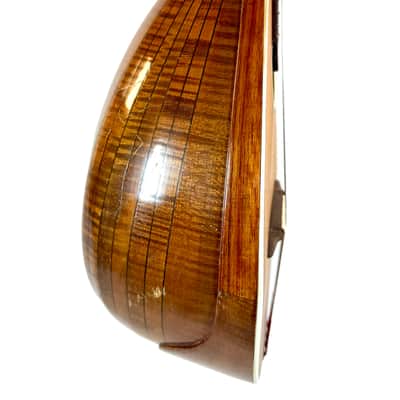
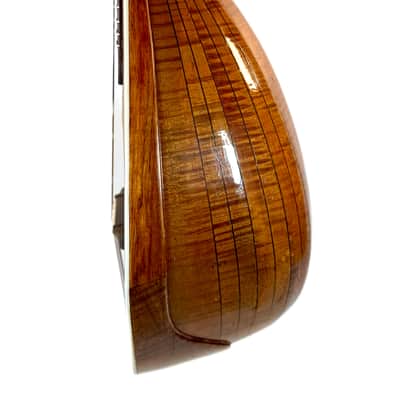
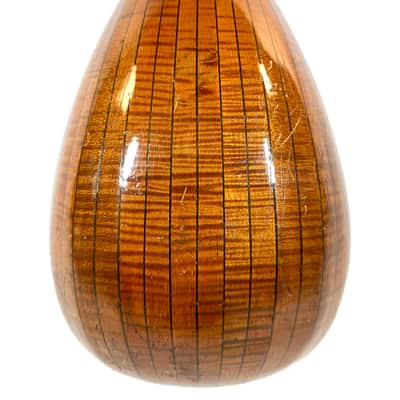
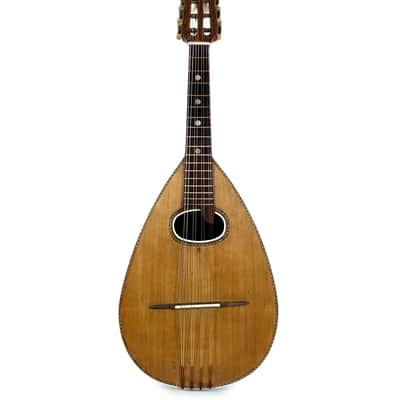
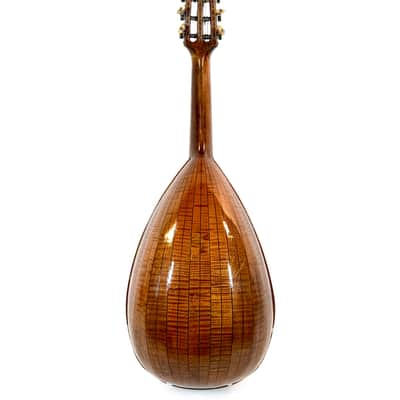
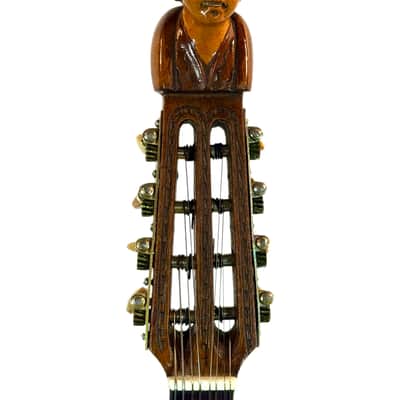
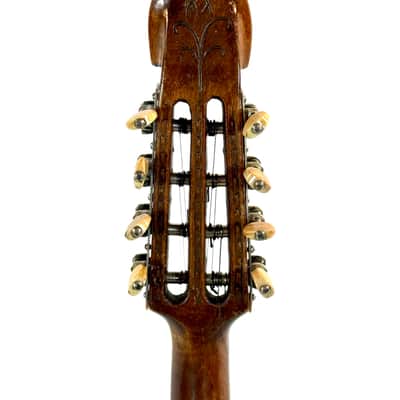
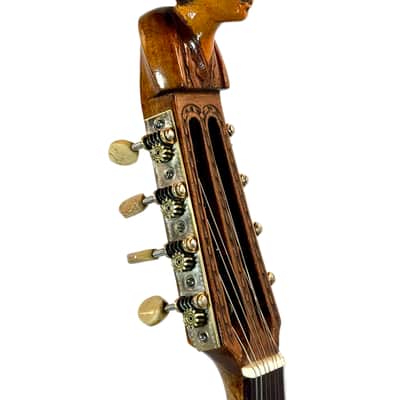
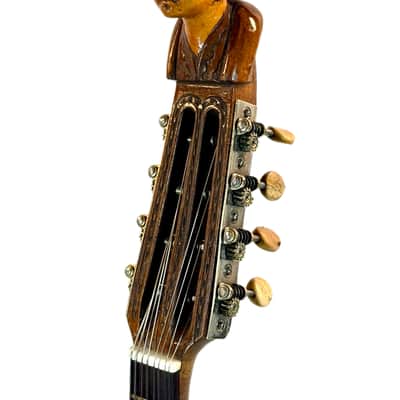
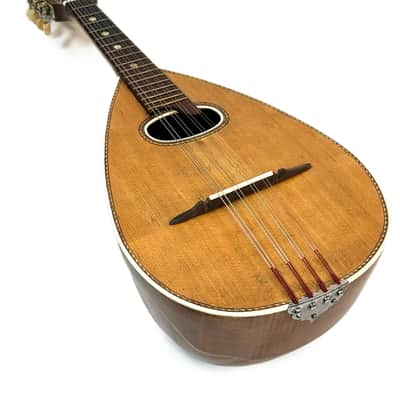
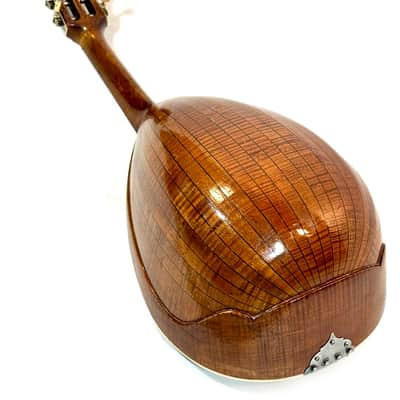
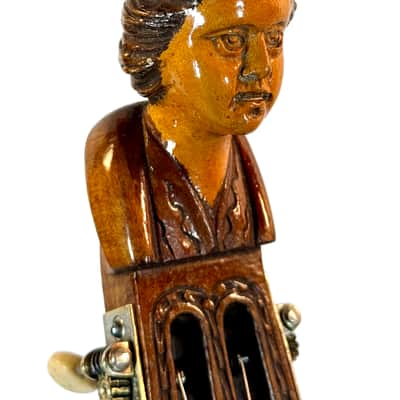


Walter Martin Mandolin (Sculpted Headstock) from 1932


14-Day Return Policy
Enjoy peace of mind with your new gear
Our users rate Reverb
This Walter Martin carved-head mandolin, dated June 9th 1932, belongs to the great tradition of early 20th century German lutherie, a period during which Germany held a major position in the manufacture of stringed instruments intended for both folk musicians and European classical ensembles.
At that time, towns such as Markneukirchen, Mittenwald, Klingenthal, as well as certain regions of Westphalia, developed a particularly renowned production distinguished by precise craftsmanship, high-quality tonewoods, and expertise passed down through generations of luthiers.
The term “Geigenbauer” visible on the internal label literally means “violin maker”, demonstrating that Walter Martin belonged to this tradition of luthiers specialized in acoustic bowed and plucked string instruments.
Established in Detmold, a German town renowned for its strong musical culture and prestigious conservatory, Walter Martin worked in an environment especially favorable to the handcrafted production of fine-quality instruments.
Archives concerning Walter Martin remain relatively scarce today, which makes instruments bearing his label particularly appealing to collectors and enthusiasts of antique German lutherie.
This rarity further enhances the authentic and historical character of this 1932 mandolin, crafted in a Germany where artisanal production still largely preceded the mass industrialization of the post-war era.
During the 1920s and 1930s, German mandolins were highly appreciated in chamber orchestras, folk ensembles, and European popular music groups.
German instruments from this period often stood out for their robust construction, elegant finishes, and carved decorations inspired by the Neapolitan Italian tradition while retaining a more restrained and structured Germanic identity.
The presence of a carved headstock on this mandolin reflects the refined decorative work typical of high-end handcrafted instruments from the period.
This type of ornamentation required genuine wood-carving expertise and allowed the luthier to express both artistic identity and technical mastery.
As such, this mandolin represents a true testimony to Europe’s pre-war musical heritage, combining traditional craftsmanship, antique aesthetics, and the sought-after vintage acoustic quality appreciated today by collectors and passionate musicians alike.
Technical specifications:
- Top: Spruce
- Back: 24-rib figured maple bowl back
- Neck: Maple
- Fingerboard: Rosewood
- Nut width: 27 mm
- Radius: Flat
- Frets: 17 frets
- Scale length: 335 mm
- Neck profile: C / V
- Pickguard: None
- Country of manufacture: Germany, Detmold
- Year: June 9th 1932
- Finish: Natural
- Appointments: Carved festive headstock / White binding around the top and rosette / Marquetry purfling around the top and rosette / White mother-of-pearl dot fingerboard inlays
- Details: Evidence of old repairs / Normal signs of wear and use consistent with its age / Non-original nut and bridge / Supplied with gig bag
Like all our instruments, this mandolin has been carefully set up.
As a result, it offers excellent playing comfort.
The tone of this 1932 Walter Martin mandolin captivates with its warm, woody, deeply vintage character, delivering bright trebles, rich midrange response, and a naturally elegant resonance inherited from the great tradition of pre-war German lutherie.
Expressive, full-bodied, and incredibly musical, it produces a refined acoustic projection and a vibrant sustain that immediately evoke the authentic charm and emotional depth of fine vintage collectible instruments.
| Listed | 9 days ago |
|---|---|
| Condition | Very Good (Used) Very Good items may show a few slight marks or scratches but are fully functional and in overall great shape.Learn more |
| Brand |
|
| Model |
|
| Finish |
|
| Categories | |
| Year |
|
| Made In |
|
Product safety information may be available here.

