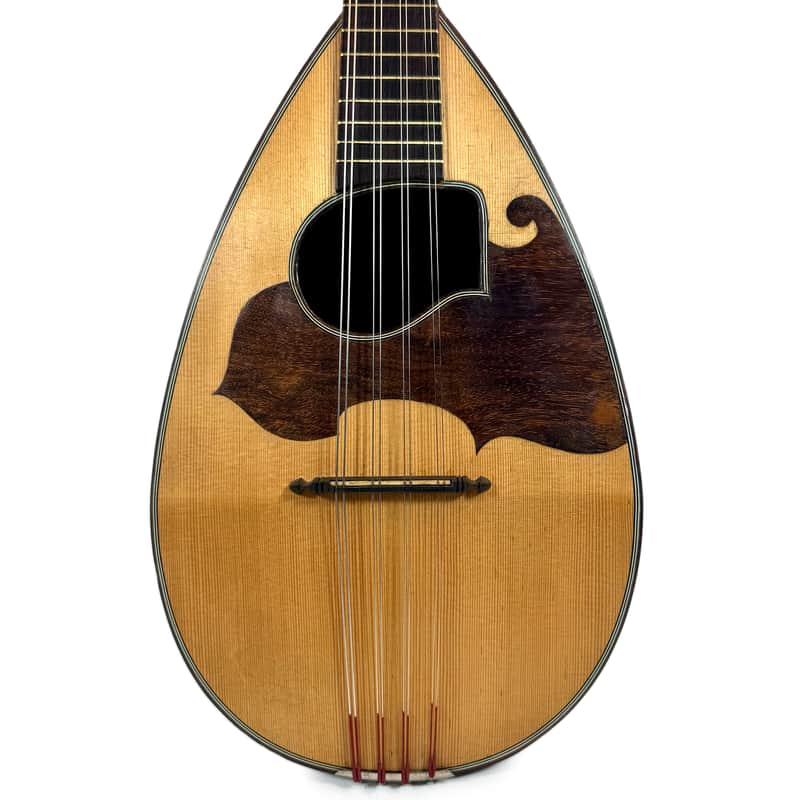
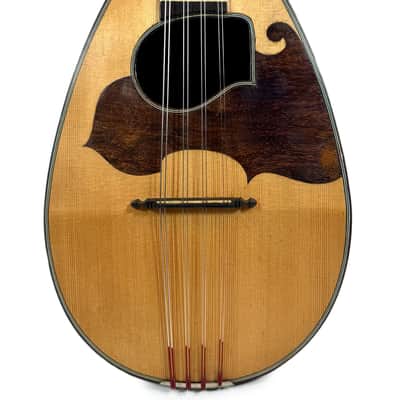
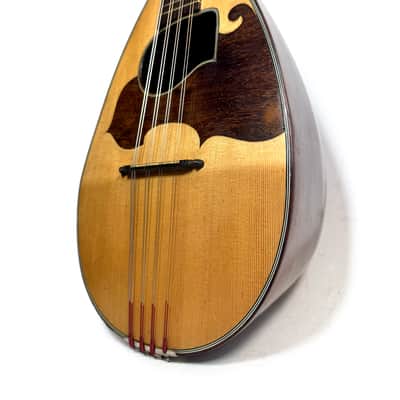
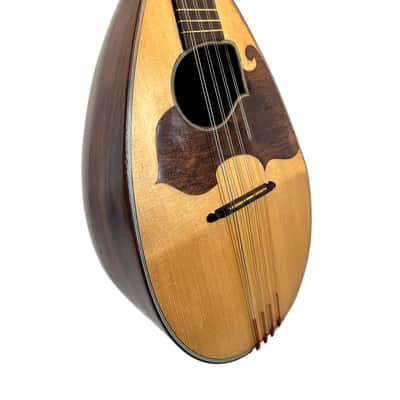
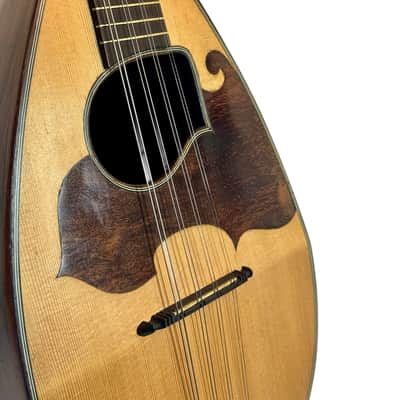
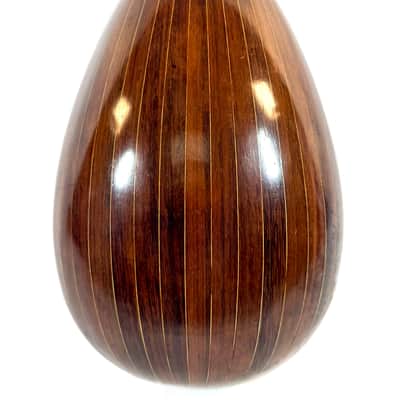
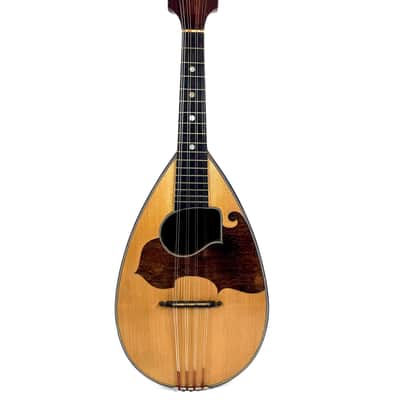
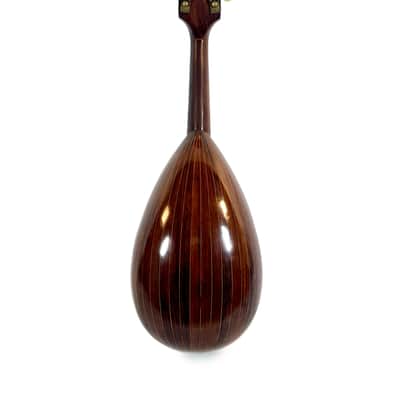
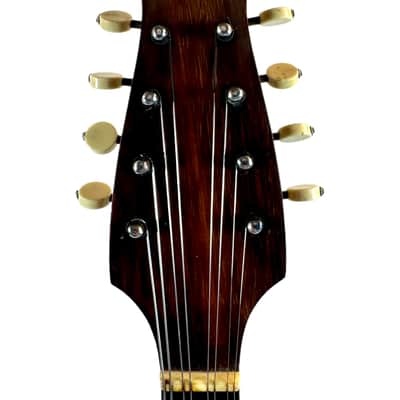
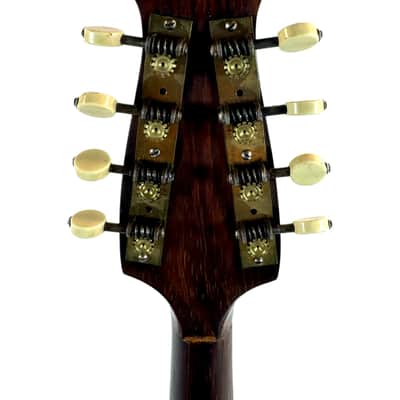
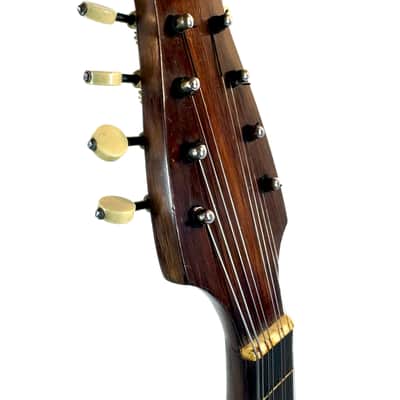
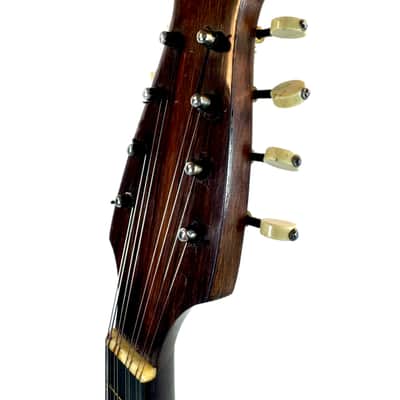
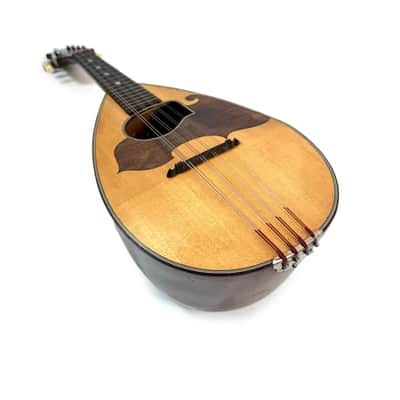
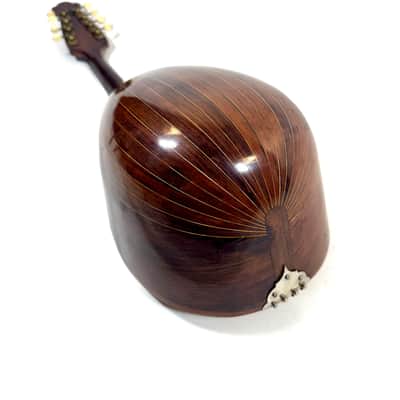

Neapolitan Mandolin G. Kasermann Style 1920's


14-Day Return Policy
Enjoy peace of mind with your new gear
Our users rate Reverb
At the heart of the Neapolitan tradition of the early 20th century, the mandolin reached a period of full maturity, where instrumental virtuosity and advances in lutherie intersected—driven in particular by major figures such as Raffaele Calace and the Vinaccia brothers.
It is within this particularly rich context that Giovanni Kasermann—also known as Hasermann—emerges, with his activity documented in Naples from the early years of the 20th century.
Coming from a demanding craft environment, he initially worked alongside his brother under the name Fratelli Hasermann, before gradually establishing himself as a recognized luthier within the Neapolitan scene.
His career took on notable significance when he collaborated with prestigious workshops, particularly those of Calace and Vinaccia, two pillars of the Italian mandolin tradition, attesting to his high level of technical mastery and his reputation within the field.
Within these workshops, Kasermann contributed to the production of concert instruments, incorporating the acoustic and structural advances of the time, particularly in terms of projection, tonal balance, and precision of construction.
In the 1920s, instruments bearing his style or name reflect a particularly accomplished synthesis of tradition and modernity, with a more refined and restrained approach than the highly ornate models of the 19th century, favoring musical efficiency, reliability, and responsiveness.
It is also likely that certain mandolins associated with Kasermann were produced in various Neapolitan workshops and then finished, adjusted, or marketed under his name, a relatively common practice in Italian lutherie of the period.
Today, mandolins in the G. Kasermann style are sought after for this specific identity: a serious, well-crafted lutherie rooted in the great traditions, yet endowed with its own character, more direct and performance-oriented, as exemplified by this fine instrument.
Technical specifications:
- Top: Spruce
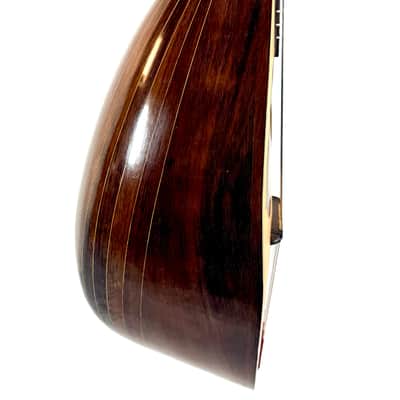
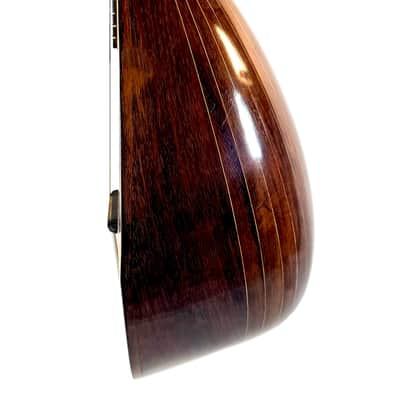
- Back: Rosewood, 21 ribs
- Neck: Beech, rosewood veneered
- Fingerboard: Rosewood
- Nut width: 28 mm
- Radius: Flat
- Frets: 17 frets
- Scale length: 332 mm
- Neck profile: Neapolitan
- Pickguard: Rosewood
- Country of manufacture: Italy
- Year: 1920s
- Finish: Natural
- Appointments: Binding around the top and soundhole / White mother-of-pearl dot inlays
- Details: Signs of wear and use consistent with its age / High E string post on the tailpiece replaced with a screw / Very good condition / Supplied with gig bag
Like all our instruments, this mandolin has been carefully set up.
As such, it offers excellent playing comfort.
Its tone reveals a bright, precise, responsive, and remarkably singing timbre, carried by luminous trebles, balanced mids, and a lively, elegant projection.
It offers a quick, expressive, and nuanced response, with a tonal palette that is at once warm, refined, and shimmering, sure to appeal to musicians and enthusiasts alike.
| Listed | 10 days ago |
|---|---|
| Condition | Very Good (Used) Very Good items may show a few slight marks or scratches but are fully functional and in overall great shape.Learn more |
| Brand |
|
| Model |
|
| Finish |
|
| Categories | |
| Year |
|
| Made In |
|
Product safety information may be available here.

