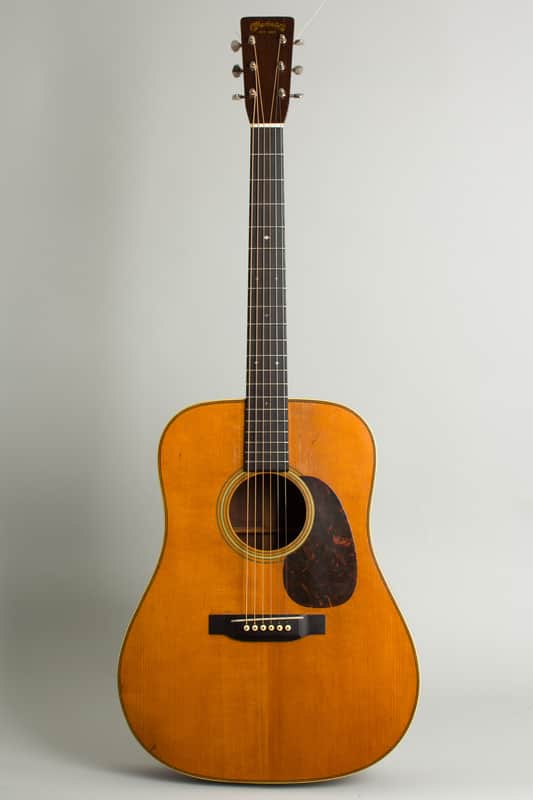
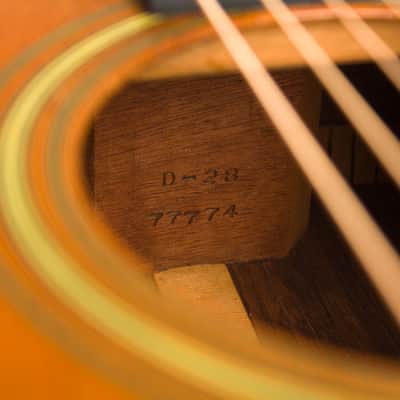
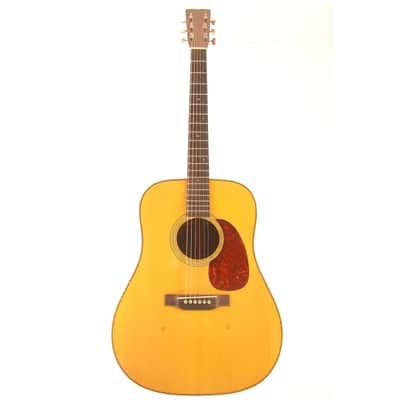
C. F. Martin D-28 Flat Top Acoustic Guitar (1941), ser. #77774, molded fiberglass hard shell case.
This seller has not set a shipping cost for Netherlands. Please contact them to ask about shipping.
Price€91,293.14
+ Shipping
Listed:20 days ago
Views:625
Saves:36
Offers:0

Brooklyn, NY, United States
Our users rate Reverb
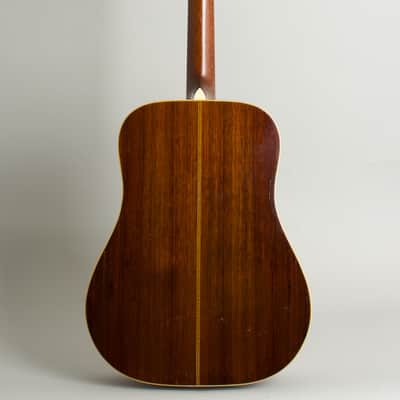
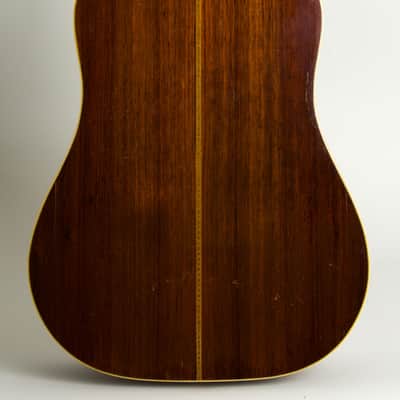
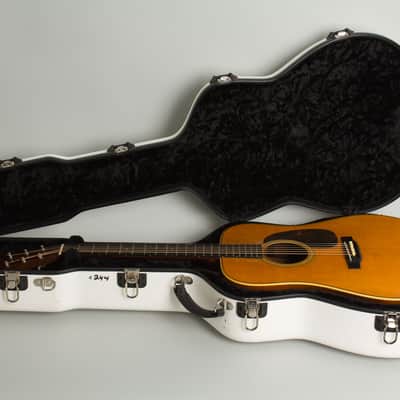
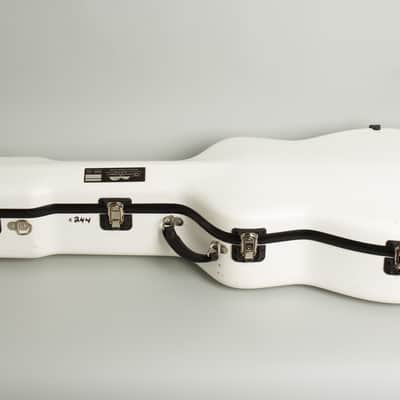
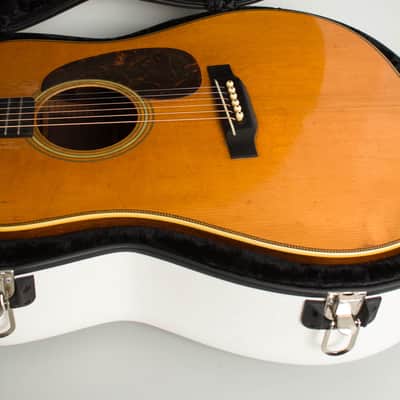
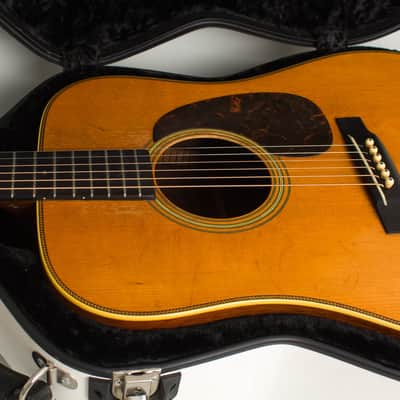
C. F. Martin D-28 Model Flat Top Acoustic Guitar (1941), made in Nazareth, PA, serial # 77774, natural lacquer finish, Brazilian rosewood back and sides, spruce top; mahogany neck with ebony fingerboard, molded fiberglass hard shell case.
This is a decently well preserved example of a guitar that is a standard by which many others are judged: an original pre-war Martin D-28 "Herringbone". It shows a fairly significant old headstock repair but overall is less heavily worn than some, a solid playing survivor now about 85 years along. Although a late "pre-War" guitar this early 1940s instrument still shows the original classic features of the model which have been widely imitated ever since.
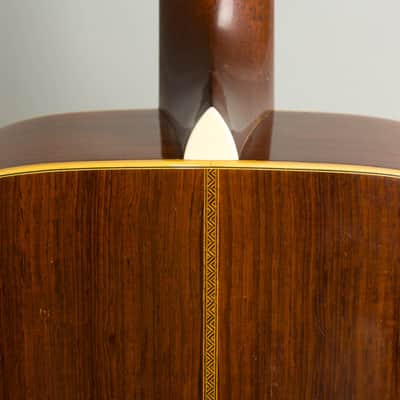
This D-28 was built in Nazareth in early-mid 1941, some months before the US entered WWII. Style 28 Martins from this period are often referred to as a "bone", after the namesake "herringbone" wood marquetry trim around the top. Whether this cosmetic feature has any affect on the sound is a hotly debated question; Martin stopped using it on their instruments by mid-1947. By then the D-28 had seen a number of other changes, most importantly the discontinuation of the scalloped top braces in 1944. The instruments of the later 1940's and '50's evolved to have a different sonic character, but some players even at the time found they preferred the sound and feel of older ones.
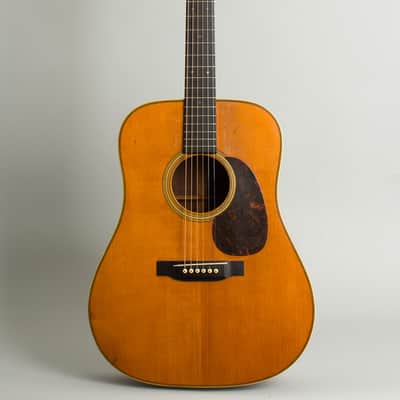
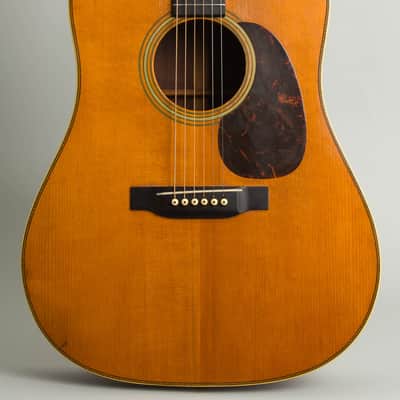
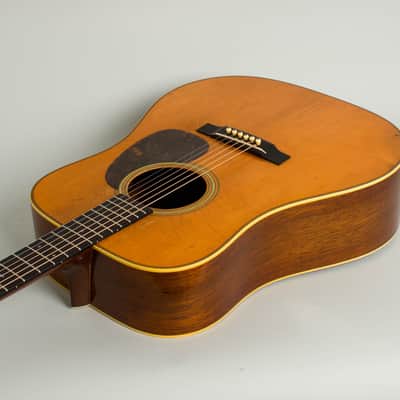
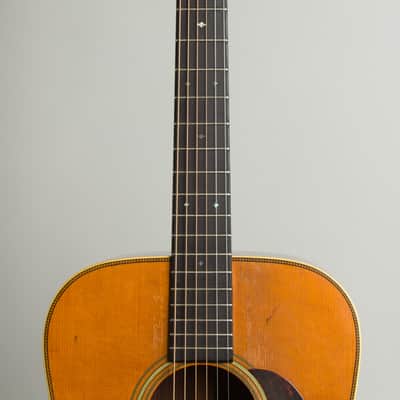
The features of this guitar are the classic D-28 appointments. This still solidly "Pre-War" guitar retains the metal neck reinforcement replaced with an ebony bar in 1942 and the top bracing is the rearward shifted pattern adopted in 1939, delicately scalloped with top construction noticeably lighter than the typical later 1940s-50s style. The materials are what is now considered the finest possible standard. The back and sides are beautifully straight grained Brazilian rosewood, the top is lovely tight grained Appalachian spruce. The small "teardrop" shape pickguard just below the sound hole is made of tortoise celluloid. The ebony bridge is the typical Martin "belly" shape with a canted bone saddle.
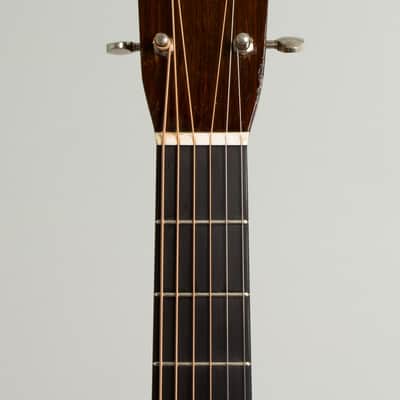
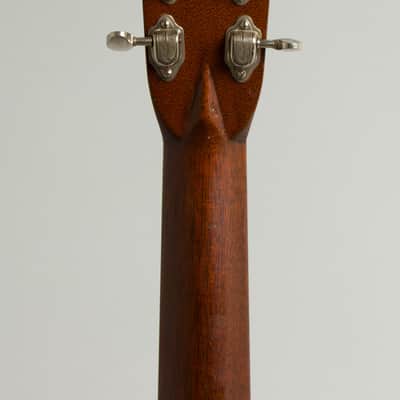
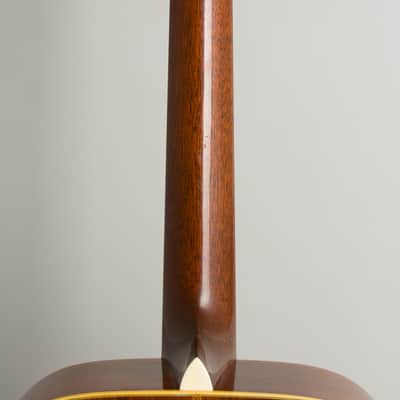
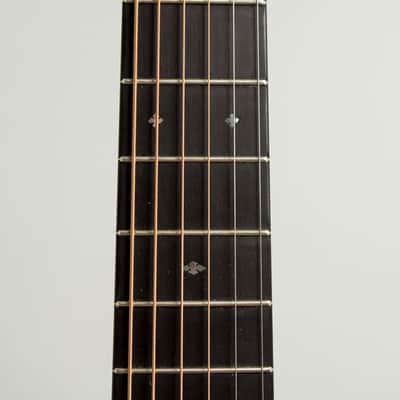
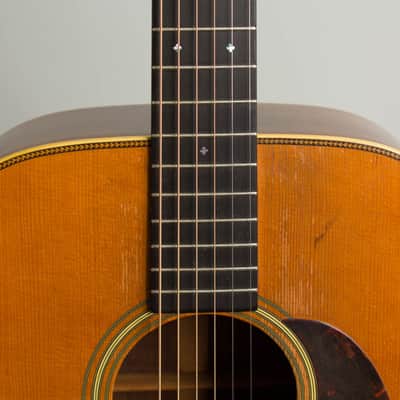
The neck is mahogany with an unbound ebony fingerboard decorated with discreet slotted diamond pearl inlay. The peghead is faced in straight grained Brazilian rosewood with the "C.F. Martin & C." decal at the top. The neck profile is fairly slim and round backed with a subtle but distinct "V" profile in the way the sides bear away from the center. The original tuners are the fairly rare enclosed individual Grover units seen only in this late pre-war period with smooth "butterbean" metal buttons.
Cosmetically this guitar shows signs of serious play time, though not as heavy as some other Martins of this period. Playing into the open mikes of radio studios and barn dance stages a guitar had to have the maximum of both depth and projection, and many Country and Western performers of the period (accent on "Western") found the Martin D-28 the best instrument available for this highly competitive musical environment. Costing $115 in summer 1941 (without case, and up from $100 just the year before!) the D-28 represented a sizable investment for a working performer, and once obtained was often played constantly to literally put food on the table.
This example is one of only 183 D-28s shipped in 1941. Compared to modern production this is a paltry number, by the 1970s many thousands of Dreadnoughts were built every year. The mahogany-bodied D-18 cost somewhat less at $83 and so was sold in much larger numbers (575 shipped in 1941) but the D-28 represented the preferred stage or recording guitar for many performers.
In the minds of most acoustic guitar players, collectors and historians few instruments even approach the early rosewood Martin Dreadnought in terms of sound or historical importance. The scallop-braced D-28 is, to many, as close to a perfect flat top guitar as has ever been made. In the period when they were built these instruments were judged by the rhythm they produced to power the whole group; the kind of solo "hot picking" that characterizes the modern audience for these guitars was generations away.
Although the D-28 is the definitive Bluegrass guitar, when this one was made "Bluegrass" as a defined musical style did not exist; it was not until later in the 1940's that the "classic" Monroe band with Lester Flatt on a D-28 established that paradigm. The sound of this D-28 is brighter than some, with the expected power and depth of a Dreadnought but an extra singing character, a superlative instrument for just about any style of play. Even with the visible wear and repair this mid-1941 model is a beautiful guitar to behold, a true joy to play and a significant piece of fretted history.
Overall length is 41 in. (104.1 cm.), 15 3/4 in. (40 cm.) wide at lower bout, and 4 15/16 in. (12.5 cm.) in depth at side, taken at the end block. Scale length is 25 1/4 in. (641 mm.). Width of nut is 1 11/16 in. (43 mm.).
This D-28 is now just about 85 years old; it shows moderately heavy play wear and one notable repair. There was a split just at the base of the headstock along the neck joint going through the bottom part of the carved diamond and extending across and up either side of the peghead to the area below both E string tuners. The crack did not reach completely to the face of the headstock and the rosewood veneer is intact and undisturbed. This was repaired solidly but visibly long ago with no added overfinish except a couple of small spots on the sides. While the reminder of an unfortunate incident this repair does not functionally affect the guitar's performance but, as they say "It is what it is". The rest of the back of the neck has rubbed-through areas on both sides and the center seam and some minor feelable scratches and dinks along its length, but no heavy capo wear.
The thin lacquer finish overall remains original and unaltered, without any notable overfinishing which is a lovely find on a D-28 this well used. The finish shows typical checking with dings, dents, scratches and as usual quite a few pick marks to the top. There is fairly extensive pick scratching and wear through to the wood on both sides of the strings, above and below fingerboard extension, off the back and lower edges of the pickguard, and most heavily to the lower lip of the soundhole rim. The back and sides show dings, dents and scratches with one large, deep scrape on the upper side at the turn of the bass bout bit generally less heavy wear than the top.
There are several crack repairs to the top, with cleats under the original pickguard for a typical grain split along the top edge. There are two further grain splits behind the bridge on either side of the center seam, the upper one running all the way to the back edge, the low
This is a decently well preserved example of a guitar that is a standard by which many others are judged: an original pre-war Martin D-28 "Herringbone". It shows a fairly significant old headstock repair but overall is less heavily worn than some, a solid playing survivor now about 85 years along. Although a late "pre-War" guitar this early 1940s instrument still shows the original classic features of the model which have been widely imitated ever since.
This D-28 was built in Nazareth in early-mid 1941, some months before the US entered WWII. Style 28 Martins from this period are often referred to as a "bone", after the namesake "herringbone" wood marquetry trim around the top. Whether this cosmetic feature has any affect on the sound is a hotly debated question; Martin stopped using it on their instruments by mid-1947. By then the D-28 had seen a number of other changes, most importantly the discontinuation of the scalloped top braces in 1944. The instruments of the later 1940's and '50's evolved to have a different sonic character, but some players even at the time found they preferred the sound and feel of older ones.
The features of this guitar are the classic D-28 appointments. This still solidly "Pre-War" guitar retains the metal neck reinforcement replaced with an ebony bar in 1942 and the top bracing is the rearward shifted pattern adopted in 1939, delicately scalloped with top construction noticeably lighter than the typical later 1940s-50s style. The materials are what is now considered the finest possible standard. The back and sides are beautifully straight grained Brazilian rosewood, the top is lovely tight grained Appalachian spruce. The small "teardrop" shape pickguard just below the sound hole is made of tortoise celluloid. The ebony bridge is the typical Martin "belly" shape with a canted bone saddle.
The neck is mahogany with an unbound ebony fingerboard decorated with discreet slotted diamond pearl inlay. The peghead is faced in straight grained Brazilian rosewood with the "C.F. Martin & C." decal at the top. The neck profile is fairly slim and round backed with a subtle but distinct "V" profile in the way the sides bear away from the center. The original tuners are the fairly rare enclosed individual Grover units seen only in this late pre-war period with smooth "butterbean" metal buttons.
Cosmetically this guitar shows signs of serious play time, though not as heavy as some other Martins of this period. Playing into the open mikes of radio studios and barn dance stages a guitar had to have the maximum of both depth and projection, and many Country and Western performers of the period (accent on "Western") found the Martin D-28 the best instrument available for this highly competitive musical environment. Costing $115 in summer 1941 (without case, and up from $100 just the year before!) the D-28 represented a sizable investment for a working performer, and once obtained was often played constantly to literally put food on the table.
This example is one of only 183 D-28s shipped in 1941. Compared to modern production this is a paltry number, by the 1970s many thousands of Dreadnoughts were built every year. The mahogany-bodied D-18 cost somewhat less at $83 and so was sold in much larger numbers (575 shipped in 1941) but the D-28 represented the preferred stage or recording guitar for many performers.
In the minds of most acoustic guitar players, collectors and historians few instruments even approach the early rosewood Martin Dreadnought in terms of sound or historical importance. The scallop-braced D-28 is, to many, as close to a perfect flat top guitar as has ever been made. In the period when they were built these instruments were judged by the rhythm they produced to power the whole group; the kind of solo "hot picking" that characterizes the modern audience for these guitars was generations away.
Although the D-28 is the definitive Bluegrass guitar, when this one was made "Bluegrass" as a defined musical style did not exist; it was not until later in the 1940's that the "classic" Monroe band with Lester Flatt on a D-28 established that paradigm. The sound of this D-28 is brighter than some, with the expected power and depth of a Dreadnought but an extra singing character, a superlative instrument for just about any style of play. Even with the visible wear and repair this mid-1941 model is a beautiful guitar to behold, a true joy to play and a significant piece of fretted history.
Overall length is 41 in. (104.1 cm.), 15 3/4 in. (40 cm.) wide at lower bout, and 4 15/16 in. (12.5 cm.) in depth at side, taken at the end block. Scale length is 25 1/4 in. (641 mm.). Width of nut is 1 11/16 in. (43 mm.).
This D-28 is now just about 85 years old; it shows moderately heavy play wear and one notable repair. There was a split just at the base of the headstock along the neck joint going through the bottom part of the carved diamond and extending across and up either side of the peghead to the area below both E string tuners. The crack did not reach completely to the face of the headstock and the rosewood veneer is intact and undisturbed. This was repaired solidly but visibly long ago with no added overfinish except a couple of small spots on the sides. While the reminder of an unfortunate incident this repair does not functionally affect the guitar's performance but, as they say "It is what it is". The rest of the back of the neck has rubbed-through areas on both sides and the center seam and some minor feelable scratches and dinks along its length, but no heavy capo wear.
The thin lacquer finish overall remains original and unaltered, without any notable overfinishing which is a lovely find on a D-28 this well used. The finish shows typical checking with dings, dents, scratches and as usual quite a few pick marks to the top. There is fairly extensive pick scratching and wear through to the wood on both sides of the strings, above and below fingerboard extension, off the back and lower edges of the pickguard, and most heavily to the lower lip of the soundhole rim. The back and sides show dings, dents and scratches with one large, deep scrape on the upper side at the turn of the bass bout bit generally less heavy wear than the top.
There are several crack repairs to the top, with cleats under the original pickguard for a typical grain split along the top edge. There are two further grain splits behind the bridge on either side of the center seam, the upper one running all the way to the back edge, the low
| Listed | 20 days ago |
|---|---|
| Condition | Very Good (Used) Very Good items may show a few slight marks or scratches but are fully functional and in overall great shape.Learn more |
| Brand | |
| Model |
|
| Finish |
|
| Categories | |
| Year |
|
| Pickup |
|
| Series | |
| String Type |
|
| Right / Left Handed |
|
| Number of Strings |
|
| Neck Material |
|
| Wood Top Style |
|
| Body Shape |
|
| Back Material |
|
| Sides Material |
|
| Finish Style |
|
| Top Material |
|
| Fretboard Material |
|
| Model Family | |
| Color Family |
|
| Active Preamp |
|
| Number of Frets |
|
Product safety information may be available here.

