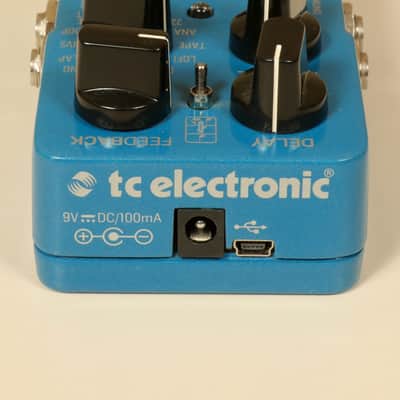
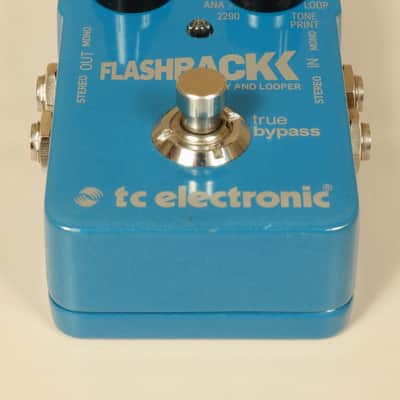
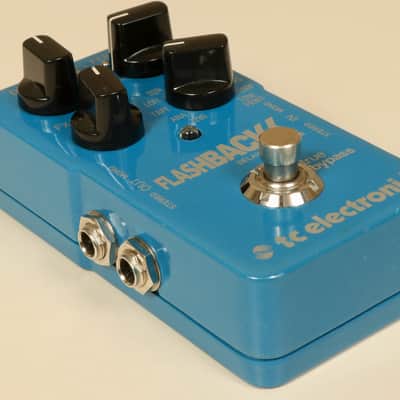
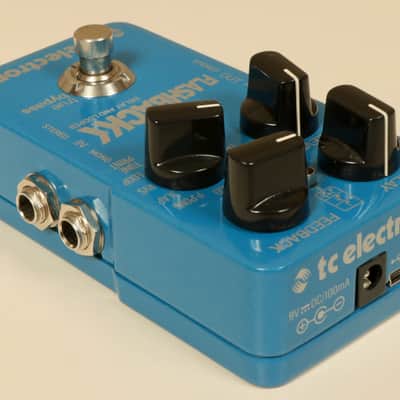
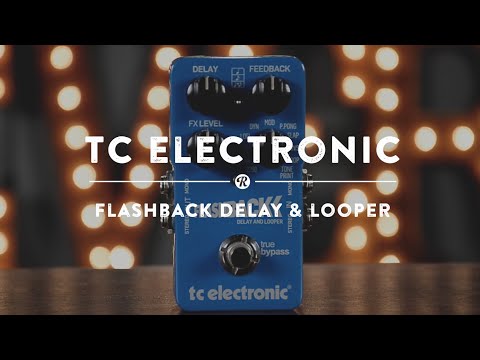
TC Electronic Flashback Delay (USED)


Our users rate Reverb
The first-generation TC Electronic Flashback Delay & Looper (released in 2011) is widely considered a modern classic that set a new standard for compact digital delay pedals. It managed to pack a massive array of studio-quality algorithms, stereo functionality, and deep customization into a standard, pedalboard-friendly enclosure.
Here is a comprehensive breakdown of its features, controls, and legacy.
Core Controls & Interface
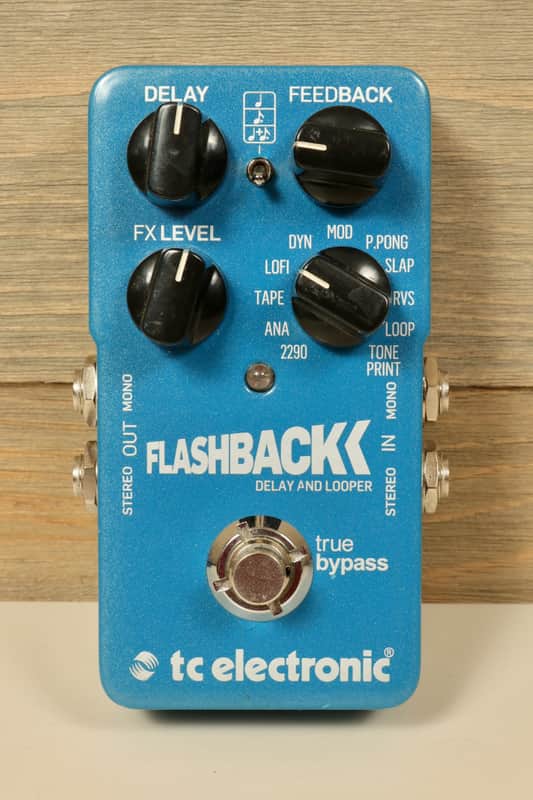
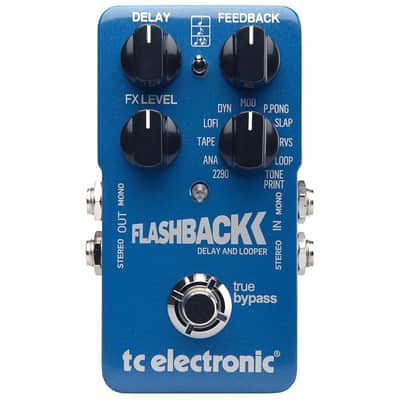
The physical layout is clean and intuitive, utilizing four primary control knobs and a small toggle switch:
- Delay: Adjusts the delay time, offering an impressive range from 20ms up to 7 seconds.
- Feedback: Determines the number of repetitions (how long the echo trails repeat).
- FX Level: Controls the mix between your dry signal and the wet effect.
- Mode Selector: An 11-way rotary switch used to select the specific delay algorithm, the looper, or the TonePrint slot.
- Subdivision Toggle Switch: A 3-way mini-switch that lets you quickly select the rhythmic subdivision of your repeats: quarter notes, eighth notes, or a multi-tap combination of both (ideal for U2-style dotted-eighth rhythmic textures).
The 11 Sound Modes
The rotary selector gives you access to 9 distinct delay types, a built-in looper, and the proprietary TonePrint setting:
- 2290: A pristine, crystal-clean digital delay modeled after TC Electronic’s legendary 1980s rack-mounted studio processor, the TC 2290.
- Analog: Simulates a classic bucket-brigade (BBD) analog delay, where each subsequent repeat gets progressively darker and warmer.
- Tape: Emulates the classic sound of a vintage tape echo machine, introducing mild high- and low-end filtering to give the repeats a warm, organic character.
- LoFi: Intentionally degrades the quality of the repeats, adding a gritty, lo-fi flavor to the echo trail.
- Dynamic (Dyn): A "ducking" delay inherited from the 2290 rack unit. The delay volume is automatically suppressed while you are actively playing to keep your tone articulate, and then blossoms to full volume when you stop playing or pause between phrases.
- Modulated (Mod): Adds a lush, chorused modulation to the delay repeats for a thicker, dreamier texture.
- Ping Pong: Alternates the delay repeats back and forth between the left and right outputs (requires a stereo setup to experience).
- Slapback (Slap): A dedicated short-echo mode (max 300ms) designed to easily nail classic 1950s rockabilly and country slapback sounds.
- Reverse: Plays the delay reflections backward for psychedelic, ambient soundscapes.
- Loop: Turns the pedal into a straightforward phrase looper offering up to 40 seconds in mono (20 seconds in stereo) with unlimited overdubbing capabilities. (Note: You cannot use the delay effects simultaneously while using the looper mode).
- TonePrint: A dedicated slot to load custom, artist-designed presets or your own deeply tweaked delay patches via the TonePrint software.
Key Hardware & Routing Features
Behind its straightforward faceplate, the first-gen Flashback included several highly professional routing and configuration options:
- Audio Tapping (Strum Tempo): Instead of a traditional foot tap-tempo switch, the pedal featured a unique "Audio Tap" system. By holding down the footswitch for a couple of seconds, the pedal temporarily muted your signal. You would then strum your guitar to the beat of the song, release the footswitch, and the pedal would perfectly sync the delay time to your strummed rhythm.
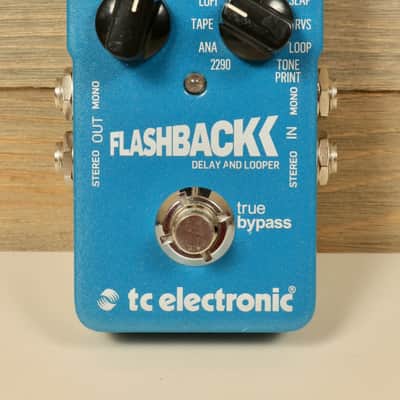
- True Stereo I/O: Equipped with dual 1/4" inputs and dual 1/4" outputs, allowing it to fit seamlessly into complex stereo rigs or amp effects loops.
- Analog-Dry-Through: It keeps your core, un-effected guitar signal entirely in the analog domain. The dry signal is never converted to digital, preserving your original tone's integrity.
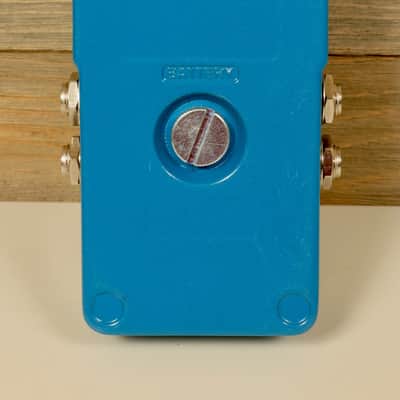
- Internal DIP Switches: Removing the back plate (which could be loosened with a single large screw using a guitar pick) revealed two internal toggle switches:
- True Bypass vs. Buffered Bypass: True Bypass kept your signal pure when off, while switching to Buffered Bypass enabled Delay Trails (spillover), allowing the echoes to fade out naturally after you stepped on the switch to turn the pedal off.
- Kill-Dry On/Off: Allowed you to completely kill the dry signal, outputting 100% wet delay effect—essential if you were running the pedal in a parallel effects loop.
| Listed | 6 days ago |
|---|---|
| Condition | Excellent (Used) Excellent items are almost entirely free from blemishes and other visual defects and have been played or used with the utmost care.Learn more |
| Brand | |
| Model |
|
| Finish |
|
| Categories |
Product safety information may be available here.

