Gibson Les Paul Custom Solid Body Electric Guitar (1960), ser. #0-6946, original black hard shell case.
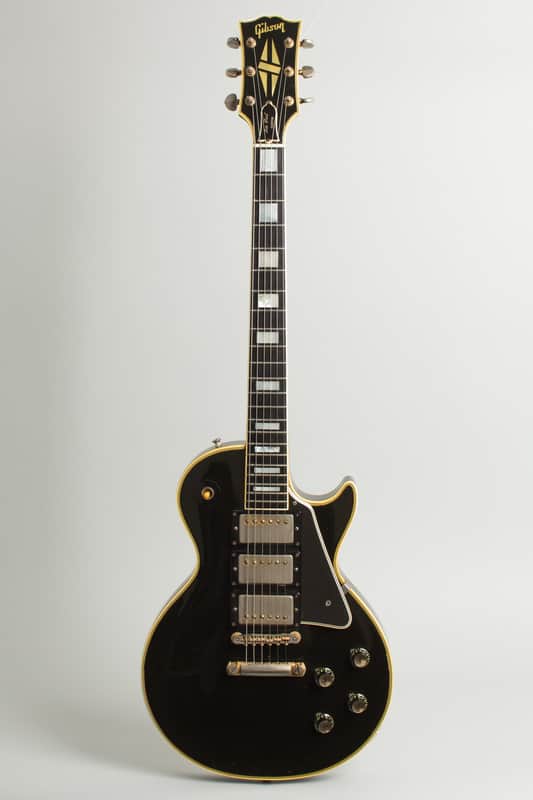
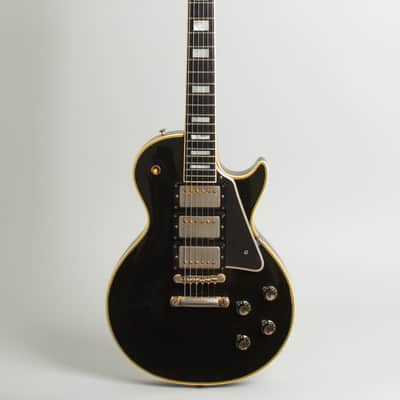
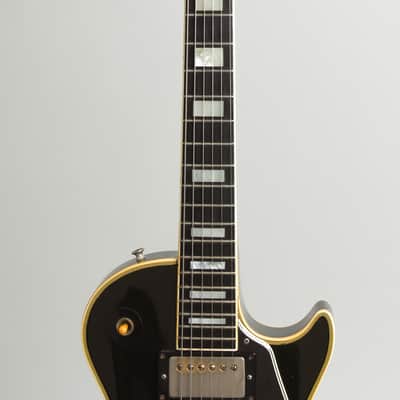
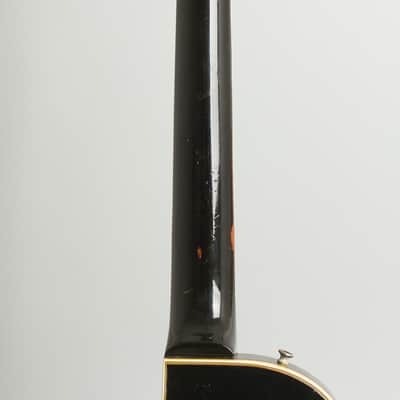
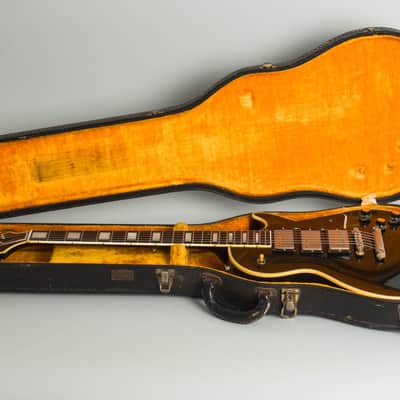
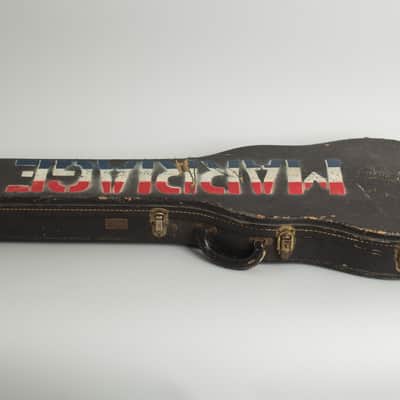
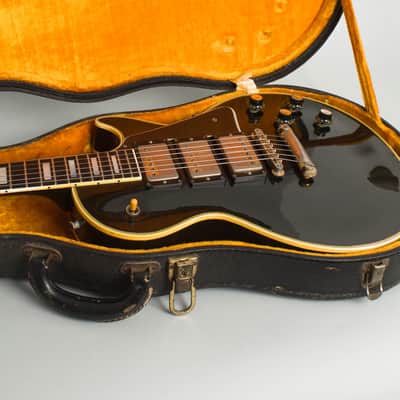
Gibson Les Paul Custom Solid Body Electric Guitar (1960), ser. #0-6946, original black hard shell case.
Il venditore non ha impostato il costo di spedizione per Canada. Per favore contatta e chiedigli il costo della spedizione.
PrezzoC$118,346.52
+ spedizione
Pubblicato:2 mesi fa
Visualizzazioni:1.297
Salvataggi:77
Offerte:0

Brooklyn, NY, Stati Uniti
Gibson Les Paul Custom Model Solid Body Electric Guitar (1960), made in Kalamazoo, Michigan, serial # 0-6946, black lacquer finish, mahogany body and neck, ebony fingerboard, original black hard shell case.
The simultaneously elegant and badass Les Paul Custom was Gibson's top-of-the-line solidbody in 1960 a shining "Black Beauty" with gold plated hardware and deluxe appointments drawn from the company's flagship archtops. This one has been in a single owner's hands since the early 1960s; it has had a working player's wiring alteration but a fantastic vibe and sound for the ages.
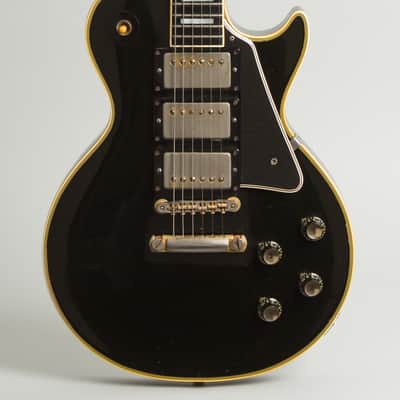
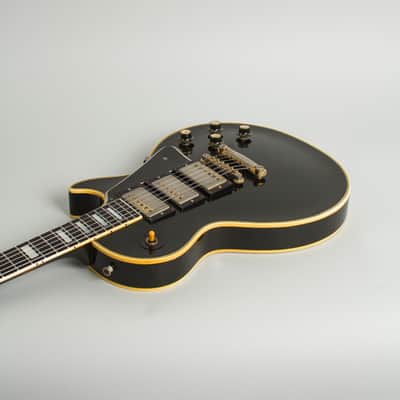
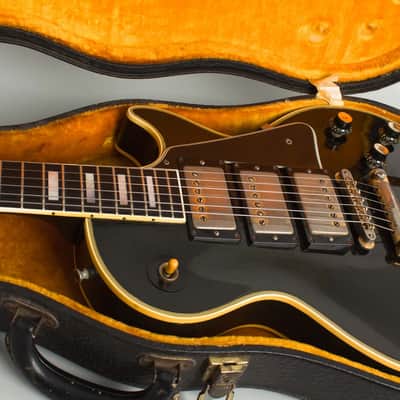
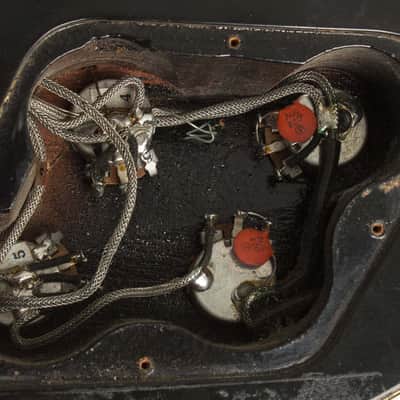
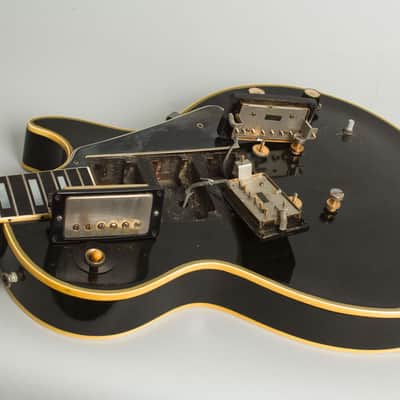
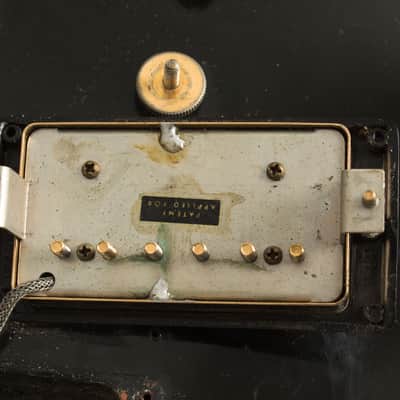
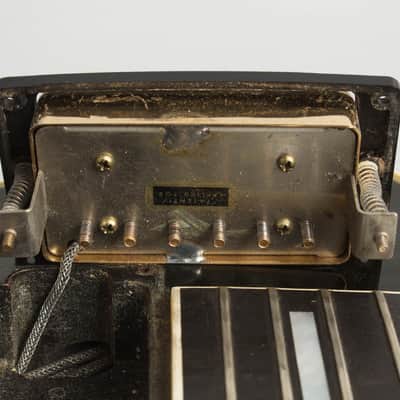
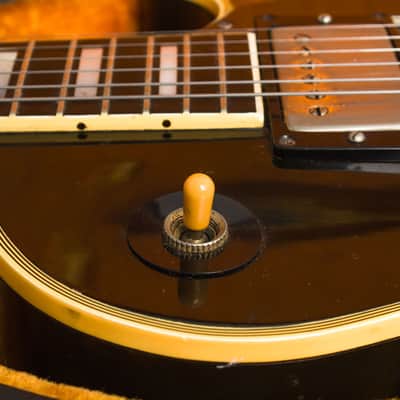
The guitar remains nearly all original including the three PAF humbucking pickups. The original switching was famously eccentric, offering neck pickup alone, bridge alone or bridge and middle out-of-phase; many players found this an awkwardly limited selection. This guitar was long ago re-wired in a conventional two-pickup layout bypassing the middle Humbucker entirely. This gives a standard twin-pickup option similar to the Sunburst Les Paul tone with the neck and bridge PAF's operating together in phase. The middle pickup has also been lowered a bit to leave more room for picking above it.
The model was introduced in 1954 as Les' personal choice from the original signature series; he and Mary Ford performed for the rest of the 1950's on modified Customs. The gleaming black top was specifically Les' idea-he called it a "tuxedo effect" and insisted it made the player's hands stand out to the audience! A major change was made in 1957; instead of the previous twin single-coil pickup outfit the Custom was fitted with three of the new humbucking pickups designed by Seth Lover, taking up much of the face of the guitar.
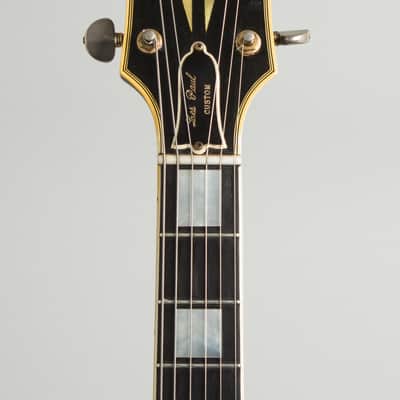
The Custom has a number of other features unique to the model; the carved-top solid body is made entirely of mahogany, with no maple cap. This all-mahogany body tends to give the instrument a subtly mellower sound than the maple-capped standard model, while the PAF pickups offer a range of tones from a jazzy purr to an all-out scream. The bound fingerboard is ebony with pearl block inlay, and the elaborate split diamond inlay on the headstock is shared with the Super 400, Gibson's most expensive guitar. All hardware is gold plated and the body and headstock are multi-bound. The Custom was the first Gibson to feature the then-new Tune-o-Matic bridge, and the only 1950's solidbody to carry three pickups.
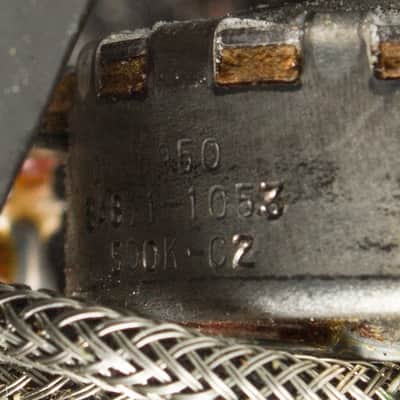
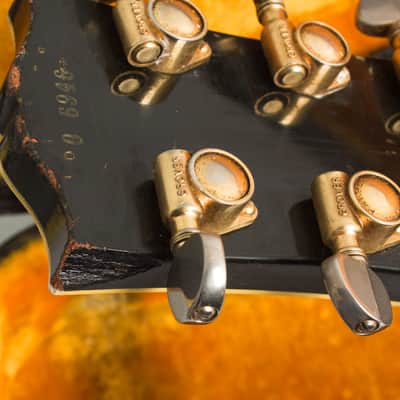
This particular instrument was shipped in mid/late 1960, the last full year of the original single-cutaway models before the re-design into the SG style. The headstock bears an old-style 1950's yellow ink-stamped serial number. The neck is quite slim with the shallower flatter neck profile introduced early in 1960. The three PAF pickups are original with a wiring rig built on pots dated to the end of 1959. Gibson's November 1959 price list has this guitar at $395 plus $47.50 for the yellow-lined black hardshell case
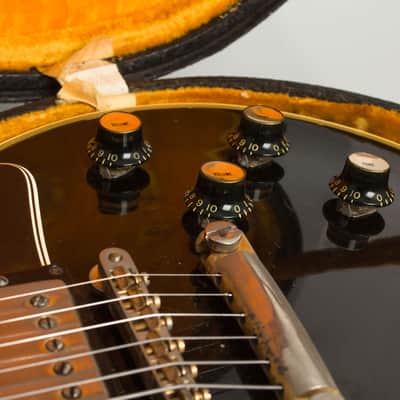
Unlike many original Customs this instrument never had a Bigsby vibrato, just the standard stop tailpiece. At just over 9 1/2 LBS this is a substantial feeling instrument but not the heaviest out there. It shows some general wear and rewiring noted above, but remains a fine playing and fantastic sounding instrument. Many iconic players have made the 3-pickup Custom part of their arsenal, and despite the acclaim surrounding the sunburst Standards, there are some out there who consider this Black Beauty the ultimate Les Paul.
Overall length is 39 5/8 in. (100.6 cm.), 13 in. (33 cm.) wide at lower bout, and 2 in. (5.1 cm.) in depth, measured at side of rim. Scale length is 24 3/4 in. (629 mm.). Width of nut is 1 11/16 in. (43 mm.)., 9.54 lbs.
This guitar has been in one player's hands since the early 1960s; it was a regular gigger and shows honest play wear but remains a nicely original instrument. As noted it has been re-wired to a standard 2-pickup layout but unlike the majority of these it has never been refretted; the original very low thin "fretless wonder" frets are lightly worn but still in playable condition. Many modern players would prefer a refret which can of course be arranged with whatever style of wire is preferred.
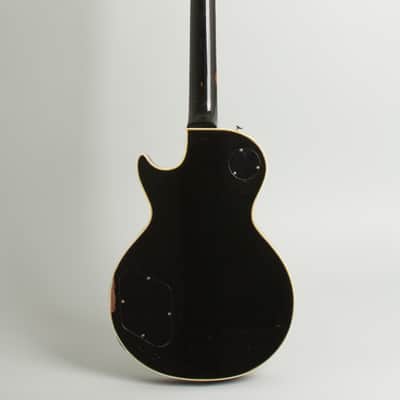
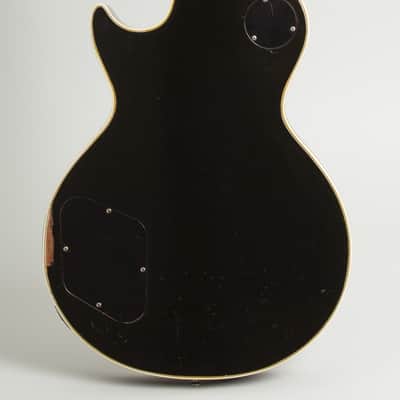
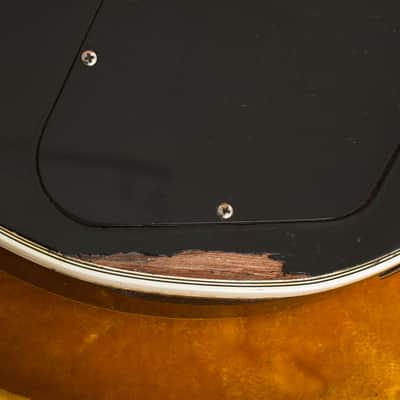
There is general wear to the finish overall, mostly in the form of smaller dings, dents and scrapes. There are some dinks and scratches to the sides and back but no large areas of belt buckle wear. There is one decent sized chip to the wood off the bottom edge of the body below the control cavity; it looks like the guitar took a hit in this spot. The side has been touched up but the back there is a small chunk of wood missing just inside of the binding edge. The top shows some very light checking with scattered small dings and dents but no really notable wear.
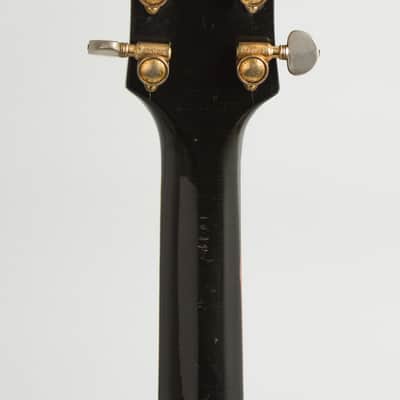
The back of the neck has some minor wear to the wood along the edges along with some dings and dents that were filled in and touched up long ago but shows no wholesale finish work. There are several small feelable dings behind the first fret that look more recent; these have some color touched in but have never been filled. There is heavier wear to the top back edge of the headstock, with a decent sized chip to the wood off the back treble side corner. The inked-on serial number is fully intact.
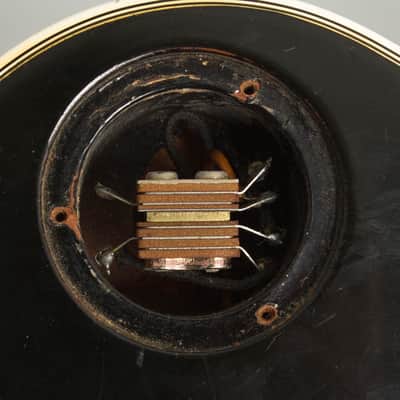
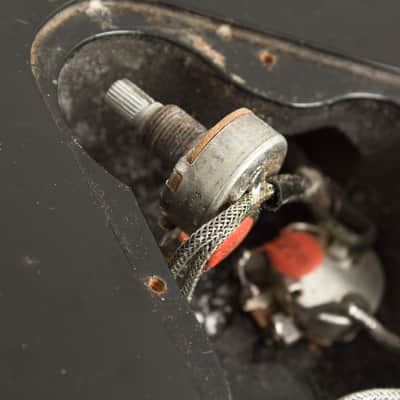
As noted the guitar was rewired long ago to two-pickup switching but all the rig components appear to remain original except the jack that was replaced long ago; what appears to be the original is in a box in the case pocket. The three PAF's are undisturbed, the covers have never been removed. Obviously some solder joints were redone in the cavity and at the switch, but the pots and braided leads remain original, as are the small orange ceramic caps. This guitar is about the earliest Gibson instrument we have seen with these (they are ubiquitous in 1961 and later SG/Les Pauls) but they show no signs of not being original to the instrument. The fragile plastic jackplate has a couple of corners chipped off but is still functional; this is of course an easy replacement for gigging purposes.
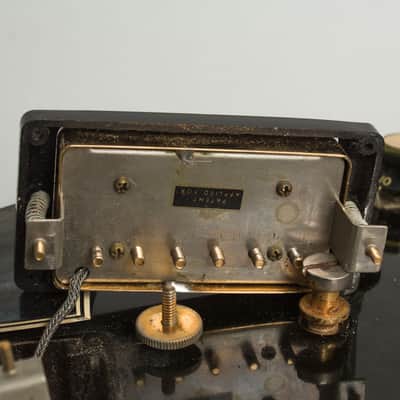
All hardware is original to the guitar; it is largely in solid condition but there is one chip to the back edge of the center pickup ring. The gold plating shows fairly heavy wear overall, as is typical of a well-played guitar. Much of it is gone from the pickup covers and quite a bit has been lost on the bridge and tailpiece. Still except for the wiring scheme this Black Beauty has been played but left as it departed Kalamazoo in 1960. We could restore the original 3-pickup wiring layout if desired but most modern players prefer the current scheme to the original Gibson design, which does not allow the neck and bridge pickups to be combined. This guitar removes any guilt from altering an original, so we consider it a play
The simultaneously elegant and badass Les Paul Custom was Gibson's top-of-the-line solidbody in 1960 a shining "Black Beauty" with gold plated hardware and deluxe appointments drawn from the company's flagship archtops. This one has been in a single owner's hands since the early 1960s; it has had a working player's wiring alteration but a fantastic vibe and sound for the ages.
The guitar remains nearly all original including the three PAF humbucking pickups. The original switching was famously eccentric, offering neck pickup alone, bridge alone or bridge and middle out-of-phase; many players found this an awkwardly limited selection. This guitar was long ago re-wired in a conventional two-pickup layout bypassing the middle Humbucker entirely. This gives a standard twin-pickup option similar to the Sunburst Les Paul tone with the neck and bridge PAF's operating together in phase. The middle pickup has also been lowered a bit to leave more room for picking above it.
The model was introduced in 1954 as Les' personal choice from the original signature series; he and Mary Ford performed for the rest of the 1950's on modified Customs. The gleaming black top was specifically Les' idea-he called it a "tuxedo effect" and insisted it made the player's hands stand out to the audience! A major change was made in 1957; instead of the previous twin single-coil pickup outfit the Custom was fitted with three of the new humbucking pickups designed by Seth Lover, taking up much of the face of the guitar.
The Custom has a number of other features unique to the model; the carved-top solid body is made entirely of mahogany, with no maple cap. This all-mahogany body tends to give the instrument a subtly mellower sound than the maple-capped standard model, while the PAF pickups offer a range of tones from a jazzy purr to an all-out scream. The bound fingerboard is ebony with pearl block inlay, and the elaborate split diamond inlay on the headstock is shared with the Super 400, Gibson's most expensive guitar. All hardware is gold plated and the body and headstock are multi-bound. The Custom was the first Gibson to feature the then-new Tune-o-Matic bridge, and the only 1950's solidbody to carry three pickups.
This particular instrument was shipped in mid/late 1960, the last full year of the original single-cutaway models before the re-design into the SG style. The headstock bears an old-style 1950's yellow ink-stamped serial number. The neck is quite slim with the shallower flatter neck profile introduced early in 1960. The three PAF pickups are original with a wiring rig built on pots dated to the end of 1959. Gibson's November 1959 price list has this guitar at $395 plus $47.50 for the yellow-lined black hardshell case
Unlike many original Customs this instrument never had a Bigsby vibrato, just the standard stop tailpiece. At just over 9 1/2 LBS this is a substantial feeling instrument but not the heaviest out there. It shows some general wear and rewiring noted above, but remains a fine playing and fantastic sounding instrument. Many iconic players have made the 3-pickup Custom part of their arsenal, and despite the acclaim surrounding the sunburst Standards, there are some out there who consider this Black Beauty the ultimate Les Paul.
Overall length is 39 5/8 in. (100.6 cm.), 13 in. (33 cm.) wide at lower bout, and 2 in. (5.1 cm.) in depth, measured at side of rim. Scale length is 24 3/4 in. (629 mm.). Width of nut is 1 11/16 in. (43 mm.)., 9.54 lbs.
This guitar has been in one player's hands since the early 1960s; it was a regular gigger and shows honest play wear but remains a nicely original instrument. As noted it has been re-wired to a standard 2-pickup layout but unlike the majority of these it has never been refretted; the original very low thin "fretless wonder" frets are lightly worn but still in playable condition. Many modern players would prefer a refret which can of course be arranged with whatever style of wire is preferred.
There is general wear to the finish overall, mostly in the form of smaller dings, dents and scrapes. There are some dinks and scratches to the sides and back but no large areas of belt buckle wear. There is one decent sized chip to the wood off the bottom edge of the body below the control cavity; it looks like the guitar took a hit in this spot. The side has been touched up but the back there is a small chunk of wood missing just inside of the binding edge. The top shows some very light checking with scattered small dings and dents but no really notable wear.
The back of the neck has some minor wear to the wood along the edges along with some dings and dents that were filled in and touched up long ago but shows no wholesale finish work. There are several small feelable dings behind the first fret that look more recent; these have some color touched in but have never been filled. There is heavier wear to the top back edge of the headstock, with a decent sized chip to the wood off the back treble side corner. The inked-on serial number is fully intact.
As noted the guitar was rewired long ago to two-pickup switching but all the rig components appear to remain original except the jack that was replaced long ago; what appears to be the original is in a box in the case pocket. The three PAF's are undisturbed, the covers have never been removed. Obviously some solder joints were redone in the cavity and at the switch, but the pots and braided leads remain original, as are the small orange ceramic caps. This guitar is about the earliest Gibson instrument we have seen with these (they are ubiquitous in 1961 and later SG/Les Pauls) but they show no signs of not being original to the instrument. The fragile plastic jackplate has a couple of corners chipped off but is still functional; this is of course an easy replacement for gigging purposes.
All hardware is original to the guitar; it is largely in solid condition but there is one chip to the back edge of the center pickup ring. The gold plating shows fairly heavy wear overall, as is typical of a well-played guitar. Much of it is gone from the pickup covers and quite a bit has been lost on the bridge and tailpiece. Still except for the wiring scheme this Black Beauty has been played but left as it departed Kalamazoo in 1960. We could restore the original 3-pickup wiring layout if desired but most modern players prefer the current scheme to the original Gibson design, which does not allow the neck and bridge pickups to be combined. This guitar removes any guilt from altering an original, so we consider it a play

| Pubblicato | 2 mesi fa |
|---|---|
| Condizione | Molto buono (Usato) Gli articoli "Molto buoni" possono mostrare qualche piccolo segno o graffio ma sono pienamente funzionali e in buone condizioni generali.Scopri di più |
| Marchio | |
| Modello |
|
| Finish |
|
| Categorie | |
| Anno |
|
| Materiale body |
|
| Costruzione del manico |
|
| Configurazione pickup |
|
| Destrimani/Mancini |
|
| Numero di corde |
|
| Forma body |
|
| Materiale manico della chitarra |
|
| Famiglia modello | |
| Stile finish |
|
| Sottofamiglia modello | |
| Tipo di body |
|
| Tipo di ponte/cordiera |
|
| Lunghezza scala |
|
| Materiale tastiera |
|
| Famiglia colore |
|
| Numero di tasti |
|
Le informazioni sulla sicurezza del prodotto sono disponibili qui.

Protezione di Reverb
Resi semplici, transazioni sicure, assistenza di persone in carne e ossa
Scopri di più