Epiphone Zenith Arch Top Acoustic Guitar (1939), ser. #13787, Period brown hard shell case.
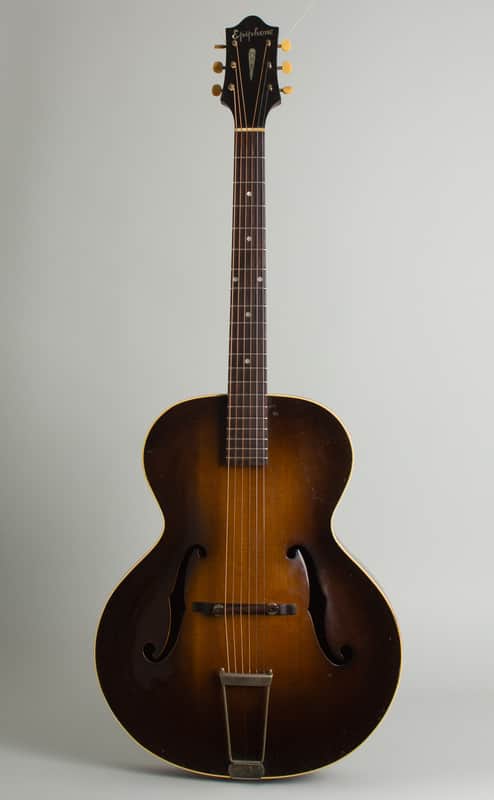
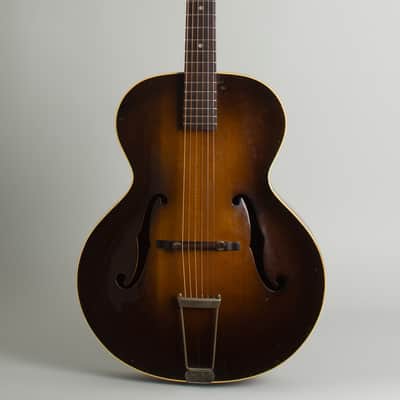
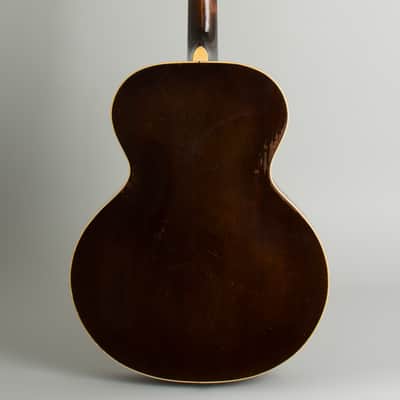
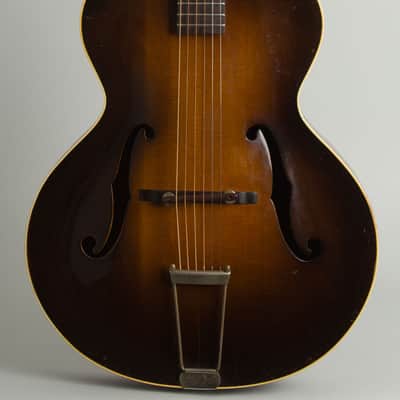
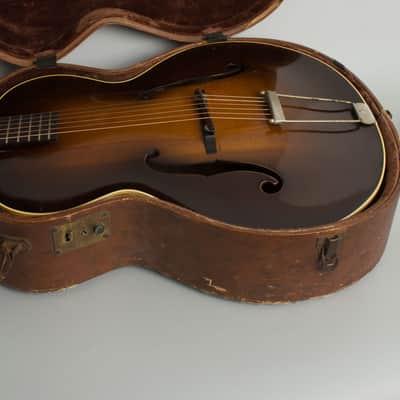
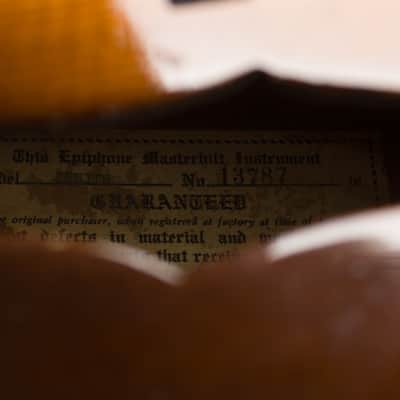
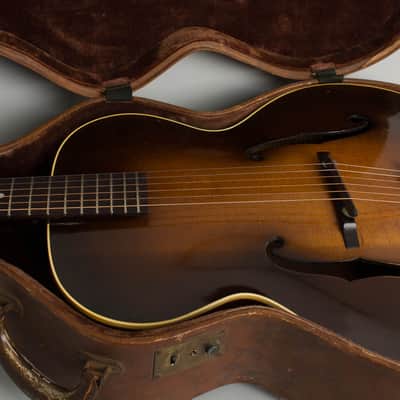
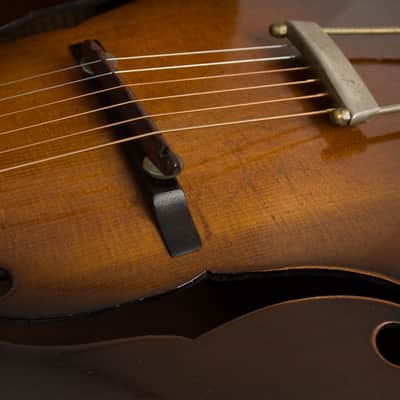
Epiphone Zenith Arch Top Acoustic Guitar (1939), ser. #13787, Period brown hard shell case.
Prezzo$2,950
+ $300 Spedizione
Pubblicato:2 mesi fa
Visualizzazioni:336
Salvataggi:20
Offerte:0

Brooklyn, NY, Stati Uniti
I nostri utenti valutano Reverb
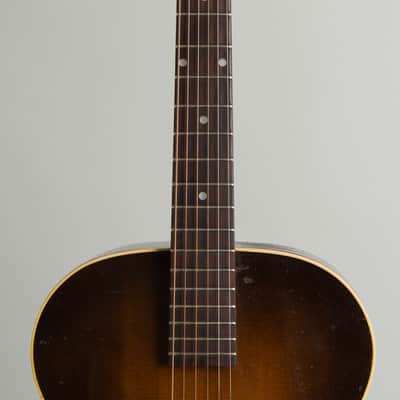
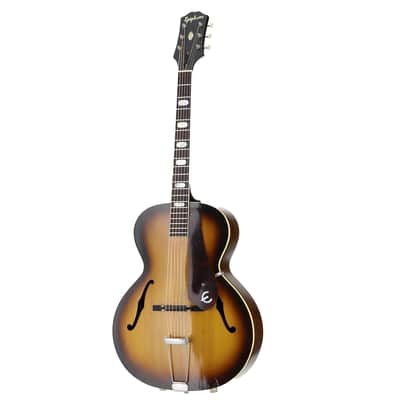
Epiphone Zenith Model Arch Top Acoustic Guitar (1939), made in New York City, serial # 13787, sunburst top, dark back and sides finish, back and sides, spruce top; mahogany neck with rosewood fingerboard, Period brown hard shell case.
The Zenith was not at the absolute bottom of the 1930s Epiphone line, but not too far off either! When this one was made in 1939 the model carried a $50 price tag; the Deluxe listed at $275. By this time the originally small body had been increased to a more generous 16 3/8" wide making it a professional sized guitar, if a relatively plain one. "Built up to professional standards but still selling at the low price of $50" stated an Epiphone ad for the model "Thrill to its deeper tone".
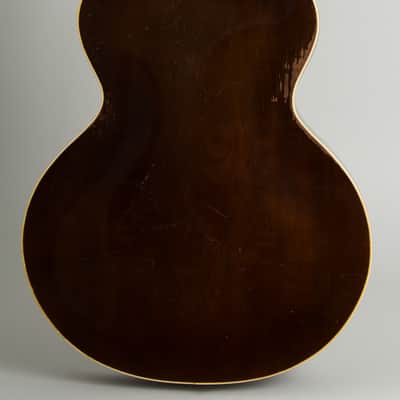
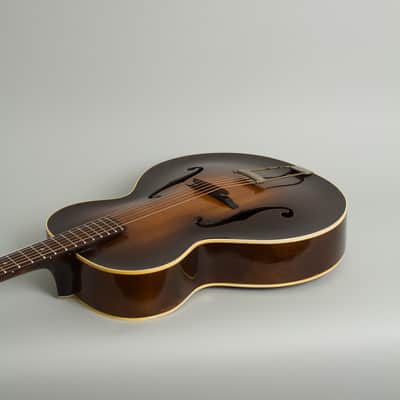
The back and sides are made of walnut, an unusual wood choice that Epiphone eventually abandoned. The top is fully carved from Adirondack spruce with non-segmented F-holes. The body edges have single-layer white celluloid binding, the neck and headstock are unbound. The hardware includes the typical Epiphone adjustable rosewood bridge and trapeze tailpiece.
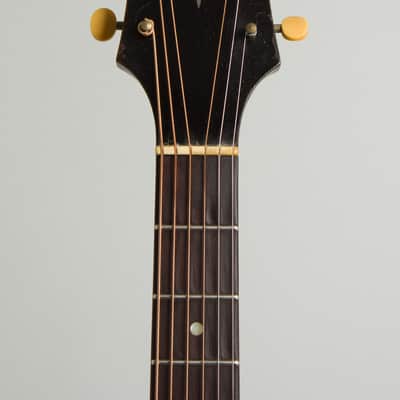
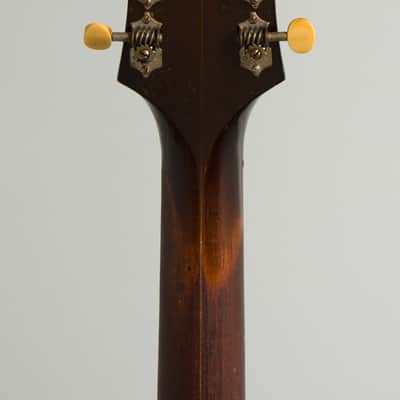
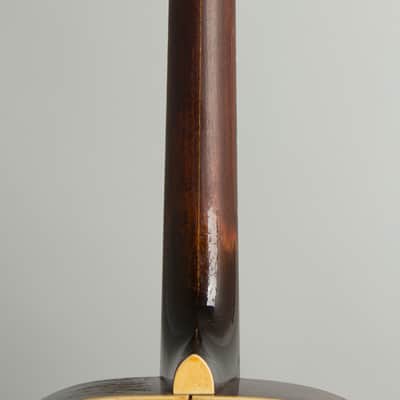
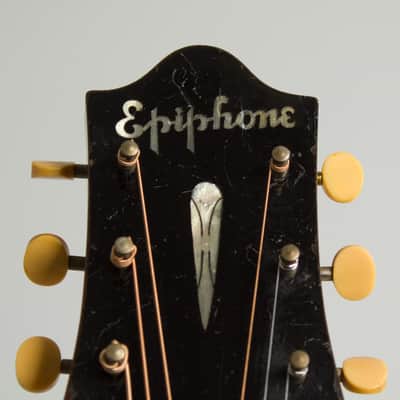
The neck is very slim for the period with a "soft V" profile and a narrow (for 1939) 1 5/8" nut; this was an Epiphone selling point at the time. The rosewood fretboard has plain dot inlay with double dots at the 7th fret instead of the standard 12th. The cresting round-top headstock has an inlaid pearl Epiphone script logo and "stickpin" inlay and is fitted with individual openback Grover tuners with plastic buttons.
If not a cosmetic showpiece the Zenith boasted several technical advantages over the similar Gibson L-50 of the time. The long 25 1/2" scale enhanced tone and power; most smaller Gibson archtops of the time still had a shorter 24 3/4" scale. Despite their budget status original 1930's Epiphone Zeniths are fairly rare today, especially in good playing condition and remain a good bargain in a fully carved top instrument.
Overall length is 42 in. (106.7 cm.), 16 3/8 in. (41.6 cm.) wide at lower bout, and 3 3/16 in. (8.1 cm.) in depth, measured at side of rim. Scale length is 25 1/2 in. (648 mm.). Width of nut is 1 5/8 in. (41 mm.).
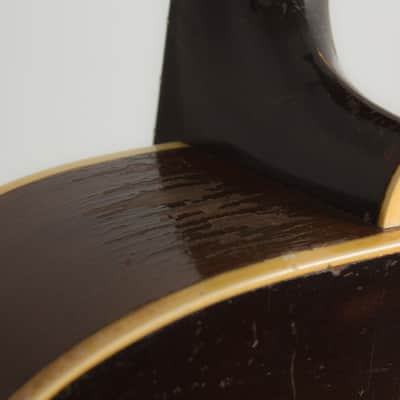
This guitar remains in fine playing condition, somewhat worn but largely original. The all-original finish shows a decent amount of wear with checking, scratches, dings and dents overall with a swath of wear on the side below the heel from hand contact. The back and sides have isolated spots of moisture wear along several edges and random scratches and dings. The neck finish is worn to the wood over much of its length. The top has some scruffy spots but hardly any of the common pickwear.
There are a couple of minor crack repairs to the top, both running from the back edge; one is along the center seam and the other a couple of inches below. Both are well sealed but with no touch up; no other cracks are evident. The binding on the lower edges has shrunken a bit and is partially discolored but is not cracking heavily or crumbling away.
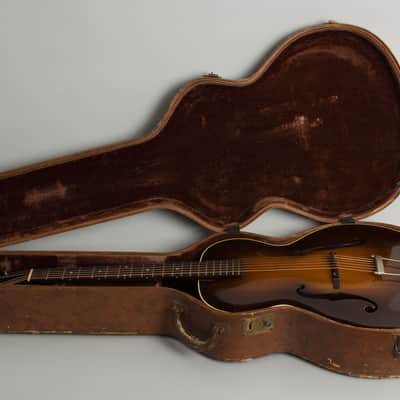
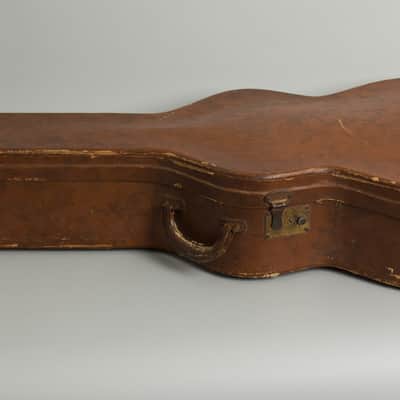
The original hardware includes the bridge, tailpiece and tuners; all show general wear but work as intended. The pickguard and bracket are long gone. No strap button was ever added to the side of the heel. The neck has been refretted with wire larger than the original, these show very little wear while there is some older minor divoting to the fingerboard in the lower positions. This Zenith is a solod player with a deeper sound than many midline archtops, at least partly due to the walnut body. It lives in a nice period HSC that may be original although it lacks the trademark "E" under the lid; these older Epiphones can be hard to fit and this case is better than most! Overall Very Good + Condition.
The Zenith was not at the absolute bottom of the 1930s Epiphone line, but not too far off either! When this one was made in 1939 the model carried a $50 price tag; the Deluxe listed at $275. By this time the originally small body had been increased to a more generous 16 3/8" wide making it a professional sized guitar, if a relatively plain one. "Built up to professional standards but still selling at the low price of $50" stated an Epiphone ad for the model "Thrill to its deeper tone".
The back and sides are made of walnut, an unusual wood choice that Epiphone eventually abandoned. The top is fully carved from Adirondack spruce with non-segmented F-holes. The body edges have single-layer white celluloid binding, the neck and headstock are unbound. The hardware includes the typical Epiphone adjustable rosewood bridge and trapeze tailpiece.
The neck is very slim for the period with a "soft V" profile and a narrow (for 1939) 1 5/8" nut; this was an Epiphone selling point at the time. The rosewood fretboard has plain dot inlay with double dots at the 7th fret instead of the standard 12th. The cresting round-top headstock has an inlaid pearl Epiphone script logo and "stickpin" inlay and is fitted with individual openback Grover tuners with plastic buttons.
If not a cosmetic showpiece the Zenith boasted several technical advantages over the similar Gibson L-50 of the time. The long 25 1/2" scale enhanced tone and power; most smaller Gibson archtops of the time still had a shorter 24 3/4" scale. Despite their budget status original 1930's Epiphone Zeniths are fairly rare today, especially in good playing condition and remain a good bargain in a fully carved top instrument.
Overall length is 42 in. (106.7 cm.), 16 3/8 in. (41.6 cm.) wide at lower bout, and 3 3/16 in. (8.1 cm.) in depth, measured at side of rim. Scale length is 25 1/2 in. (648 mm.). Width of nut is 1 5/8 in. (41 mm.).
This guitar remains in fine playing condition, somewhat worn but largely original. The all-original finish shows a decent amount of wear with checking, scratches, dings and dents overall with a swath of wear on the side below the heel from hand contact. The back and sides have isolated spots of moisture wear along several edges and random scratches and dings. The neck finish is worn to the wood over much of its length. The top has some scruffy spots but hardly any of the common pickwear.
There are a couple of minor crack repairs to the top, both running from the back edge; one is along the center seam and the other a couple of inches below. Both are well sealed but with no touch up; no other cracks are evident. The binding on the lower edges has shrunken a bit and is partially discolored but is not cracking heavily or crumbling away.
The original hardware includes the bridge, tailpiece and tuners; all show general wear but work as intended. The pickguard and bracket are long gone. No strap button was ever added to the side of the heel. The neck has been refretted with wire larger than the original, these show very little wear while there is some older minor divoting to the fingerboard in the lower positions. This Zenith is a solod player with a deeper sound than many midline archtops, at least partly due to the walnut body. It lives in a nice period HSC that may be original although it lacks the trademark "E" under the lid; these older Epiphones can be hard to fit and this case is better than most! Overall Very Good + Condition.
Protezione di Reverb per gli acquirenti
Reverb ti protegge nel caso in cui il tuo articolo venga perso, danneggiato o non corrisponda alla descrizione. Basta segnalare eventuali problemi entro 7 giorni e ti aiuteremo a ottenere il rimborso completo.Scopri di più sulla Protezione di Reverb per gli acquirenti.
| Pubblicato | 2 mesi fa |
|---|---|
| Condizione | Molto buono (Usato) Gli articoli "Molto buoni" possono mostrare qualche piccolo segno o graffio ma sono pienamente funzionali e in buone condizioni generali.Scopri di più |
| Marchio | |
| Modello |
|
| Finish |
|
| Categorie | |
| Anno |
|
| Ritiro |
|
| Materiale tastiera |
|
| Famiglia colore |
|
| Tipo di corda |
|
| Destrimani/Mancini |
|
| Numero di corde |
|
| Materiale manico della chitarra |
|
| Tipo di finitura |
|
| Materiale parte anteriore |
|
| Lunghezza scala |
|
| Forma body |
|
| Preamplificatore attivo |
|
| Numero di tasti |
|
Le informazioni sulla sicurezza del prodotto sono disponibili qui.

Protezione di Reverb
Resi semplici, transazioni sicure, assistenza di persone in carne e ossa
Scopri di più