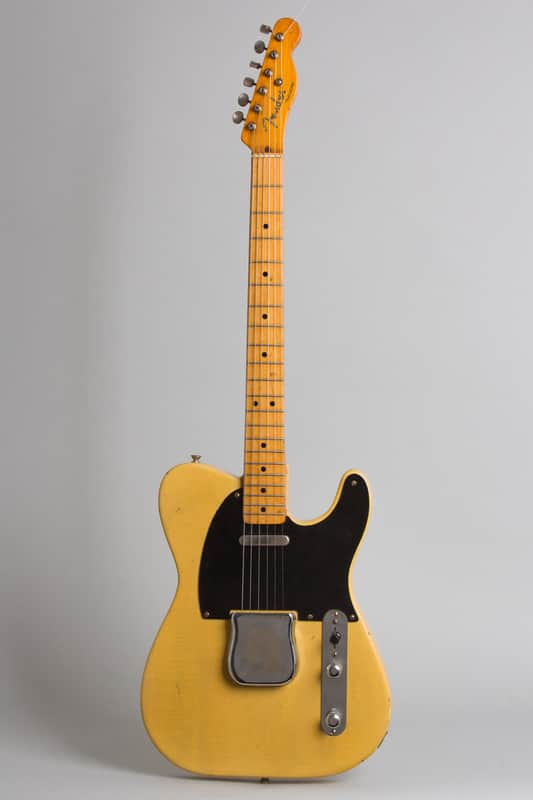
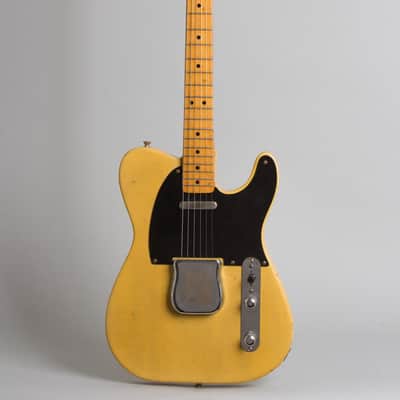
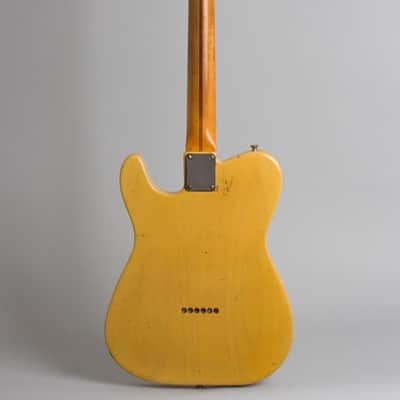
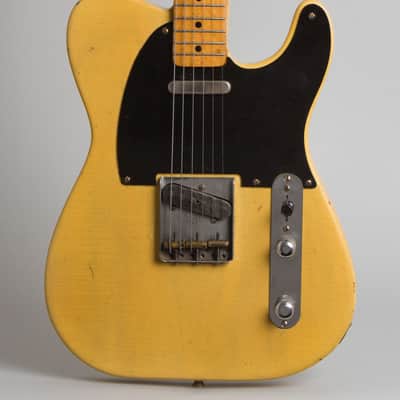
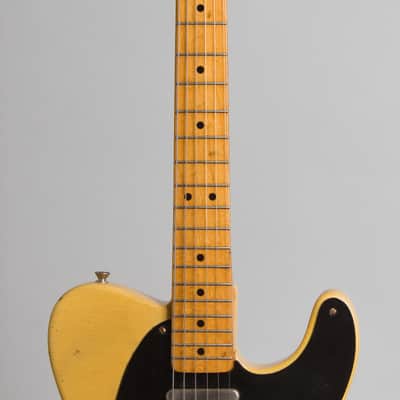
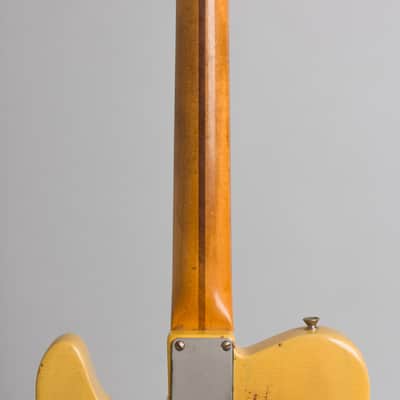
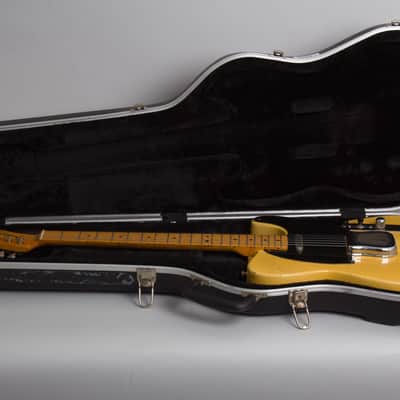
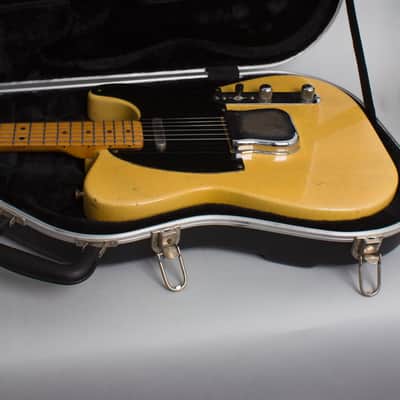
Fender Telecaster Solid Body Electric Guitar (1952), ser. #5117, molded plastic hard shell case.
Price$28,000
+ $200 Shipping
Listed:3 months ago
Views:3,233
Saves:112
Offers:0

Brooklyn, NY, United States
Our users rate Reverb
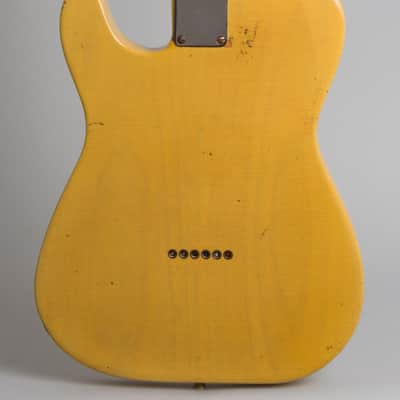
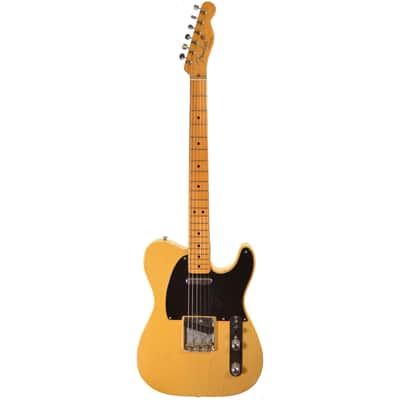
Fender Telecaster Model Solid Body Electric Guitar (1952), made in Fullerton, California, serial # 5117, Blonde lacquer re- finish, ash body, maple neck, molded plastic hard shell case.
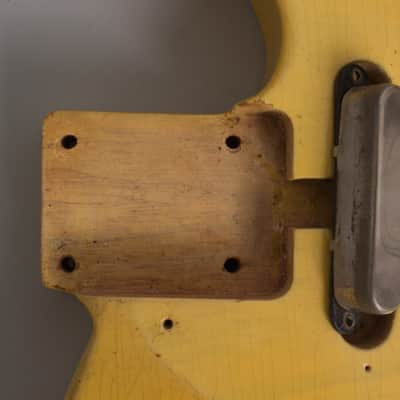
This is a veteran "Blackguard" Telecaster, a composite of authentic Fender parts sourced over decades from several different instruments. The neck and serial numbered bridgeplate started life together as a single 1952 guitar, but based on evidence we have seen the original body was heavily modified in the 1960s. This neck, bridge and hardware were later mated to another 1952-era body, refinished but authentic and fitted with a slightly later staggered-pole pickup dating to around 1955. While not a fully intact original instrument this Blackguard maintains the original look and feel and still offers a truly righteous sound.
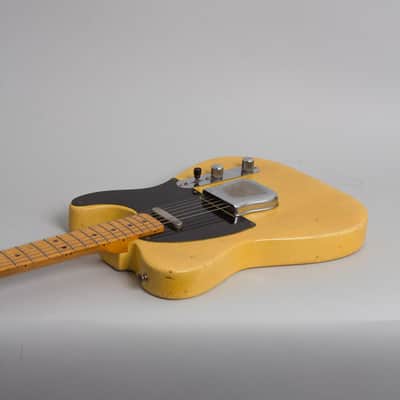
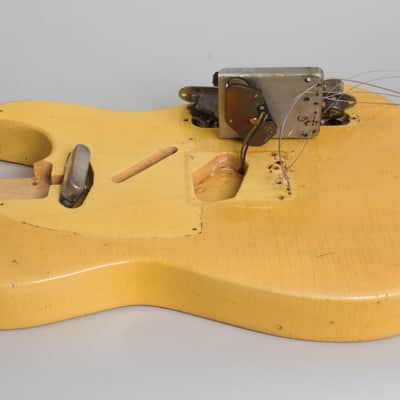
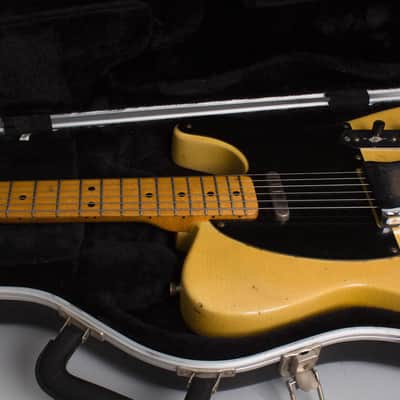
This guitar exhibits the correct classic '52 Tele features: the one-piece maple neck, "butterscotch" blonde ash body, black pickguard, brass bridge saddles, and of course a sound for the ages. The body lost any pencil date it might have had during the refinish, but the "D" die stamp is still visible as are the correct "tells" for a '52 including the dowel markings on the back. The wiring is set up in the modern scheme which allows blending the two pickups. The neck has been refretted with correct style wire.
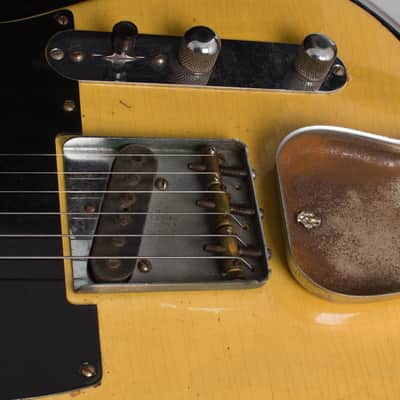
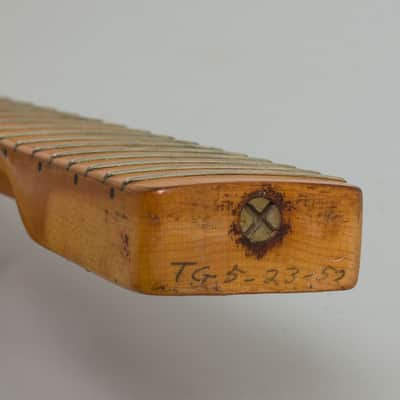
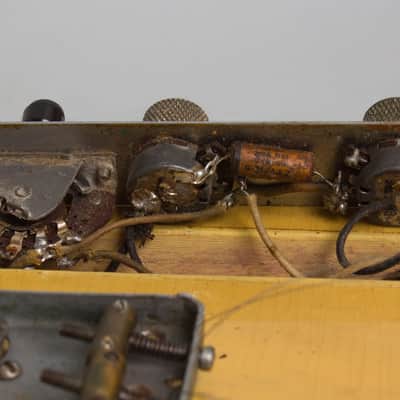
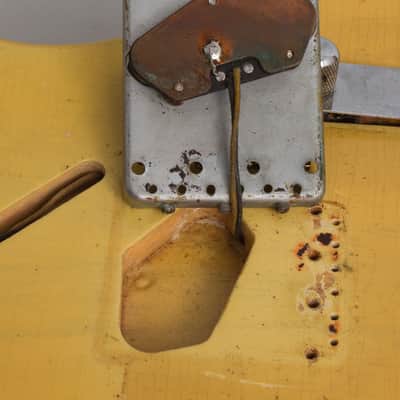
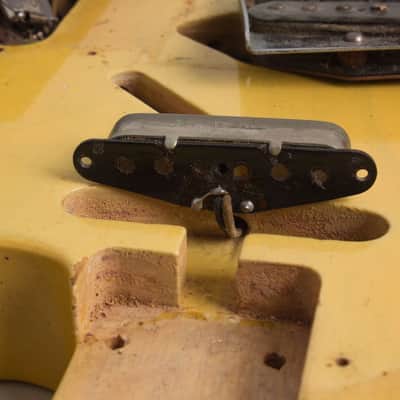
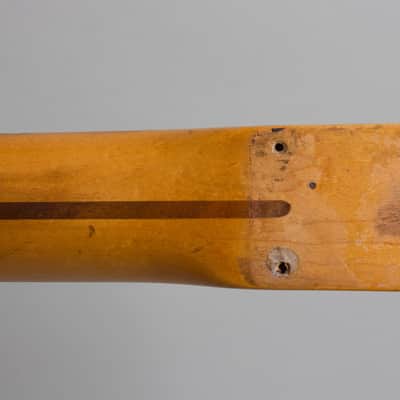
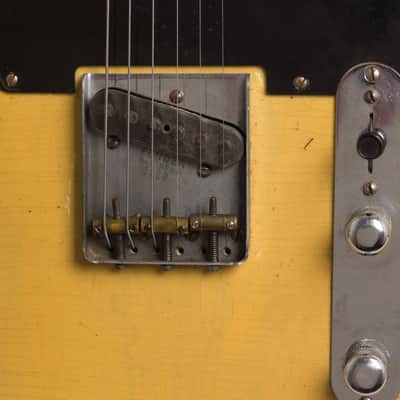
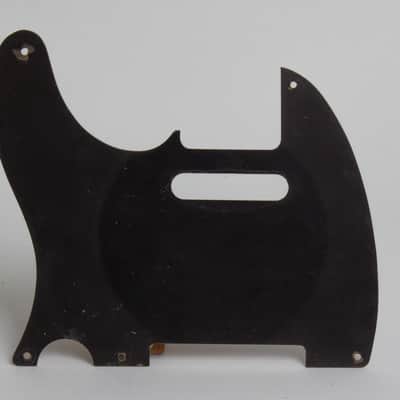
The serial number 5117 is stamped into the bridgeplate, while the neck is marked TG 5-23-52 in pencil on the heel; the initials are of Tadeo Gomez, who signed many Fender necks in this period. The neck pickup appears original; the bridge pickup is an authentic period Fender unit from slightly later in the decade, identifiable by the staggered pole pieces; 1952 units have flat poles. The pots are the original ink-stamped Clarostats but the date codes are soldered over. The pickguard is a cleverly made Bakelite replica likely from a few decades back, authentic looking but not exactly correct.
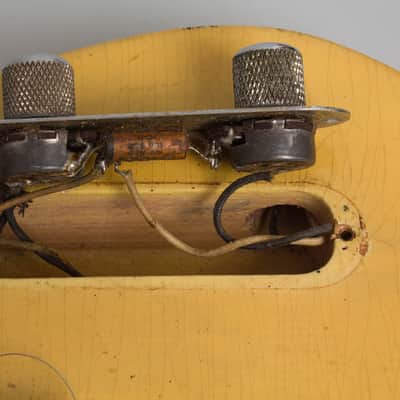
The cloth wire and electronics rig retain original components re-wired to the "modern" Telecaster switching scheme and the bass-heavy "mud cap" removed. As originally set up there is was "deep bass" capacitor on the neck pickup in switch position # 1. As currently set up the neck and bridge pickups combine in the middle position, which the original scheme did not allow. This was a very common modification.
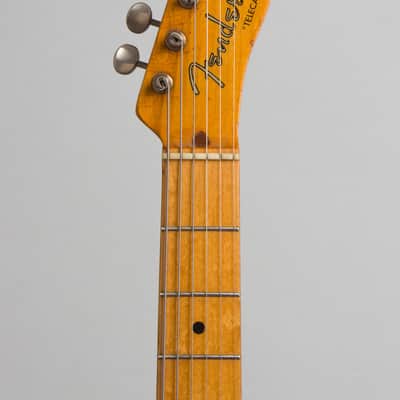
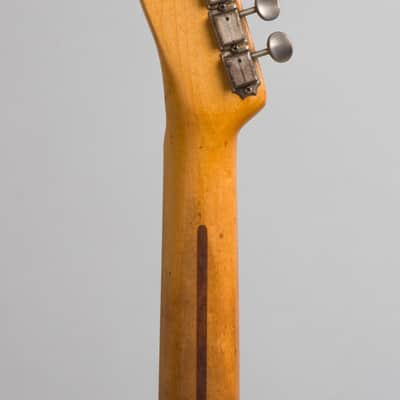
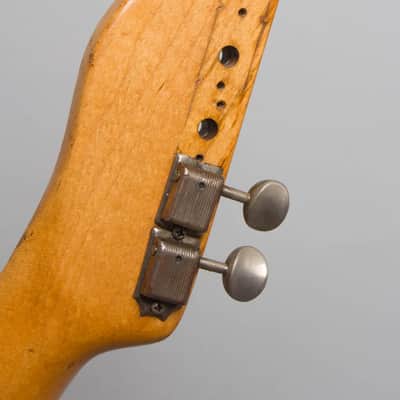
The very comfortable neck has a nice "C" profile, slimmer than some we have had with a slightly less rounded "throat" in the lower positions; it rounds out beautifully as it approaches the body. The screws are all flat-head types which were already being phased out in mid-1952. Other parts including the tuners, bridgeplate and saddles, control plate, switch tip, knobs and even the snap-on bridge cover remain original to the period.
For many, 1952 is THE classic Telecaster year, with the same look and feel of the earliest Fender Broadcaster and "No-Caster" guitars from 1950-51, but more consistent production standards. '52 is the benchmark year for comparison to all later Fender guitars; Many players and collectors have come to consider the 1952 Telecaster the finest electric guitar ever made -- and one of the most historically important as well. While not an all-original intact instrument this one remains a cool player's example with a killer sound.
Overall length is 38 3/4 in. (98.4 cm.), 12 5/8 in. (32.1 cm.) wide at lower bout, and 1 3/4 in. (4.4 cm.) in depth, measured at side of rim. Scale length is 25 1/2 in. (648 mm.). Width of nut is 1 5/8 in. (41 mm.).
Overall this is a fine playing guitar if not an original intact single instrument, showing fairly extensive assembly from different sources done over the years as noted but retaining the original look and sound of its 1952 Fullerton origins. The older refinish on the body is a fairly authentic looking blonde if a bit thicker and "milkier" than the perfect original look. It shows natural weathering with some moderately heavy lateral checking and a decent amount of actual (not "relic'ed") wear. The edges of the body were somewhat smoothed out by sanding as is often seen with older refin jobs, more noticeable in some places than others.
The neck has had the fingerboard lightly planed and refretted with correct style wire; the board was shot over entirely with fairly thin lacquer, which also extends as an overspray over the headstock, visible over the original decal and grommets. The back of the neck had the original finish worn to the wood in places, there is a partial old clear overspray which has since been partially worn through again. The bone nut is newer as well.
The pickguard has the correct look but is an older repro piece. The brass bridge saddles and screws have some corrosion and discoloration but nothing is rusted hard and all adjustment screws remain functional. As noted the lead pickup is an original Fender period piece but again from a different guitar, or replaced when new around 1955. Many of the solder joints have been redone due to the re-wiring to "modern' spec but the internal components remain period correct. The other hardware is also correct to the 1952 period even down to the screws and "ashtray" bridge cover.
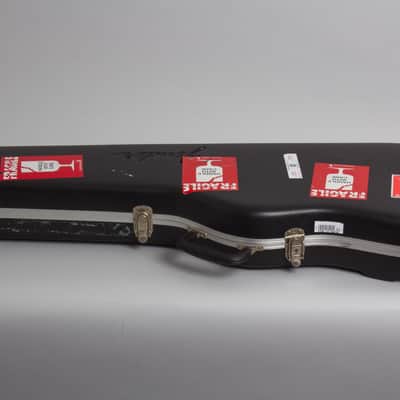
While this instrument may be a "FrankenTele" it still espouses the original "Blackguard" character better than many other re-worked Fenders from this period that were routed, humbuckered and otherwise altered far from this aesthetic. It is a great gigging example of this highly desired instrument at a relative bargain price manifesting a "Real Relic" look. The sound is still killer, with two well balanced pickups and a truly crackling lead unit. It lives in a later molded plastic HSC that has done some traveling. Overall Very Good Condition.
This is a veteran "Blackguard" Telecaster, a composite of authentic Fender parts sourced over decades from several different instruments. The neck and serial numbered bridgeplate started life together as a single 1952 guitar, but based on evidence we have seen the original body was heavily modified in the 1960s. This neck, bridge and hardware were later mated to another 1952-era body, refinished but authentic and fitted with a slightly later staggered-pole pickup dating to around 1955. While not a fully intact original instrument this Blackguard maintains the original look and feel and still offers a truly righteous sound.
This guitar exhibits the correct classic '52 Tele features: the one-piece maple neck, "butterscotch" blonde ash body, black pickguard, brass bridge saddles, and of course a sound for the ages. The body lost any pencil date it might have had during the refinish, but the "D" die stamp is still visible as are the correct "tells" for a '52 including the dowel markings on the back. The wiring is set up in the modern scheme which allows blending the two pickups. The neck has been refretted with correct style wire.
The serial number 5117 is stamped into the bridgeplate, while the neck is marked TG 5-23-52 in pencil on the heel; the initials are of Tadeo Gomez, who signed many Fender necks in this period. The neck pickup appears original; the bridge pickup is an authentic period Fender unit from slightly later in the decade, identifiable by the staggered pole pieces; 1952 units have flat poles. The pots are the original ink-stamped Clarostats but the date codes are soldered over. The pickguard is a cleverly made Bakelite replica likely from a few decades back, authentic looking but not exactly correct.
The cloth wire and electronics rig retain original components re-wired to the "modern" Telecaster switching scheme and the bass-heavy "mud cap" removed. As originally set up there is was "deep bass" capacitor on the neck pickup in switch position # 1. As currently set up the neck and bridge pickups combine in the middle position, which the original scheme did not allow. This was a very common modification.
The very comfortable neck has a nice "C" profile, slimmer than some we have had with a slightly less rounded "throat" in the lower positions; it rounds out beautifully as it approaches the body. The screws are all flat-head types which were already being phased out in mid-1952. Other parts including the tuners, bridgeplate and saddles, control plate, switch tip, knobs and even the snap-on bridge cover remain original to the period.
For many, 1952 is THE classic Telecaster year, with the same look and feel of the earliest Fender Broadcaster and "No-Caster" guitars from 1950-51, but more consistent production standards. '52 is the benchmark year for comparison to all later Fender guitars; Many players and collectors have come to consider the 1952 Telecaster the finest electric guitar ever made -- and one of the most historically important as well. While not an all-original intact instrument this one remains a cool player's example with a killer sound.
Overall length is 38 3/4 in. (98.4 cm.), 12 5/8 in. (32.1 cm.) wide at lower bout, and 1 3/4 in. (4.4 cm.) in depth, measured at side of rim. Scale length is 25 1/2 in. (648 mm.). Width of nut is 1 5/8 in. (41 mm.).
Overall this is a fine playing guitar if not an original intact single instrument, showing fairly extensive assembly from different sources done over the years as noted but retaining the original look and sound of its 1952 Fullerton origins. The older refinish on the body is a fairly authentic looking blonde if a bit thicker and "milkier" than the perfect original look. It shows natural weathering with some moderately heavy lateral checking and a decent amount of actual (not "relic'ed") wear. The edges of the body were somewhat smoothed out by sanding as is often seen with older refin jobs, more noticeable in some places than others.
The neck has had the fingerboard lightly planed and refretted with correct style wire; the board was shot over entirely with fairly thin lacquer, which also extends as an overspray over the headstock, visible over the original decal and grommets. The back of the neck had the original finish worn to the wood in places, there is a partial old clear overspray which has since been partially worn through again. The bone nut is newer as well.
The pickguard has the correct look but is an older repro piece. The brass bridge saddles and screws have some corrosion and discoloration but nothing is rusted hard and all adjustment screws remain functional. As noted the lead pickup is an original Fender period piece but again from a different guitar, or replaced when new around 1955. Many of the solder joints have been redone due to the re-wiring to "modern' spec but the internal components remain period correct. The other hardware is also correct to the 1952 period even down to the screws and "ashtray" bridge cover.
While this instrument may be a "FrankenTele" it still espouses the original "Blackguard" character better than many other re-worked Fenders from this period that were routed, humbuckered and otherwise altered far from this aesthetic. It is a great gigging example of this highly desired instrument at a relative bargain price manifesting a "Real Relic" look. The sound is still killer, with two well balanced pickups and a truly crackling lead unit. It lives in a later molded plastic HSC that has done some traveling. Overall Very Good Condition.
Reverb Buyer Protection
Reverb has your back if your item is lost, damaged, or doesn't match its description. Simply report any issues within 7 days and we'll help you get a full refund.Learn more about Reverb Buyer Protection.
| Listed | 3 months ago |
|---|---|
| Condition | Very Good (Used) Very Good items may show a few slight marks or scratches but are fully functional and in overall great shape.Learn more |
| Brand | |
| Model |
|
| Finish |
|
| Categories | |
| Year |
|
| Pickup Configuration |
|
| Right / Left Handed |
|
| Fretboard Material |
|
| Number of Strings |
|
| Neck Material |
|
| Offset Body |
|
| Wood Top Style |
|
| Finish Style |
|
| Body Type |
|
| Body Material |
|
| Model Family | |
| Bridge/Tailpiece Type |
|
| Series | |
| Scale Length |
|
| Fretboard Radius |
|
| Body Shape |
|
| Color Family |
|
| Neck Construction |
|
| Number of Frets |
|
Product safety information may be available here.

