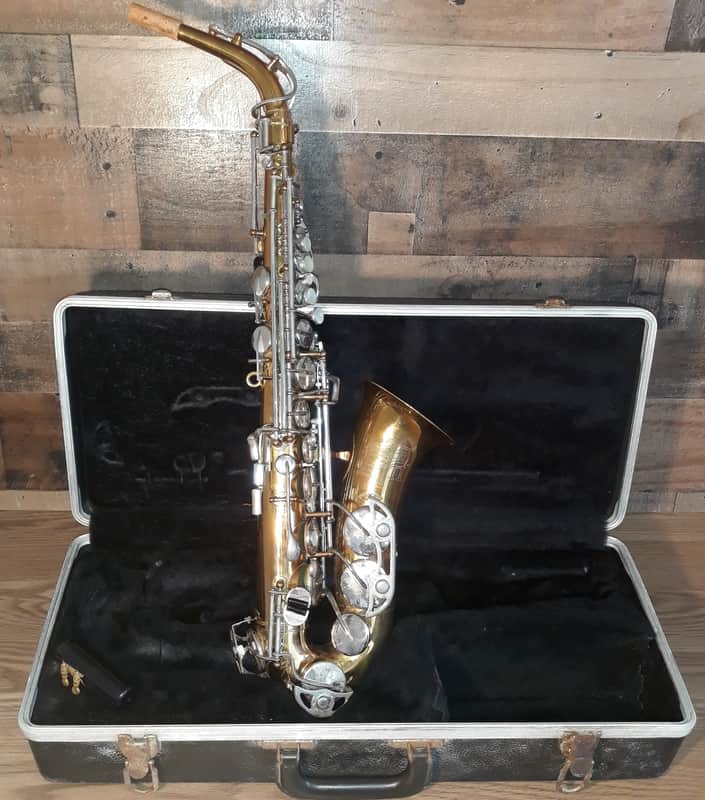
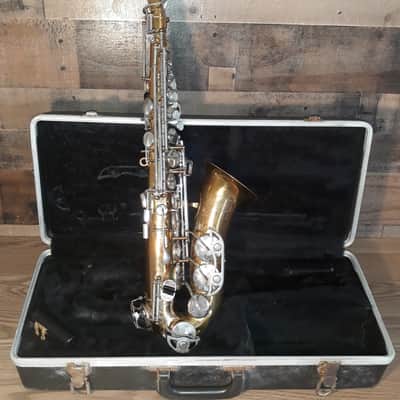
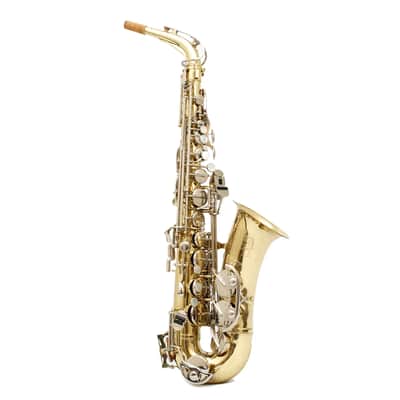
Used Selmer Bundy Eb Alto Saxophone - Yellow Brass With Lacquer Finish
This seller has not set a shipping cost for Malta. Please contact them to ask about shipping.
Price€544.55
+ Shipping
Listed:a year ago
Views:32
Saves:0
Offers:0

Jupiter, FL, United States
Our users rate Reverb
FEATURES
DESCRIPTION The Bundy II Eb Alto Saxophone holds a prominent place in the history of student band instruments in the United States. Manufactured under the Selmer USA brand, the Bundy II was designed as a reliable, affordable, and durable saxophone for beginner and intermediate players. Its story is deeply connected to the evolution of American saxophone manufacturing and the broader history of school band programs in the 20th century.
The origins of the Bundy line date back to the early 20th century when the original H&A Selmer Company of Elkhart, Indiana, began producing woodwind and brass instruments. In the 1930s, Selmer USA established itself as a major force in the American band instrument market. By the 1960s, Selmer acquired the Buescher Band Instrument Company, inheriting their manufacturing facilities and integrating their designs into Selmer’s student-level offerings. The original Bundy alto saxophones were based heavily on Buescher models and became standard issue for many school music programs throughout the country.
In 1978, Selmer introduced the Bundy II series, an update and redesign of the original Bundy line. The Bundy II Eb Alto Saxophone featured a number of improvements, both in design and materials. Its body was constructed from yellow brass and finished with a durable clear lacquer that resisted wear and corrosion. The keys were nickel-plated for strength and resistance to tarnish, and the pads were double-skinned for increased longevity. Additional features included an adjustable thumb rest, an ergonomic key layout for smaller hands, and molded plastic key guards for the low B and Bb keys to reduce damage from impact. These design choices made the instrument easier to play, more comfortable for younger musicians, and more capable of withstanding the rigors of classroom use.
The Bundy II became one of the most widely distributed student alto saxophones in American schools from the late 1970s through the 1990s. It remained in production until around the early 2000s when Selmer began phasing out the Bundy name in favor of newer student models and rebranding efforts. Today, used Bundy II saxophones remain popular on the secondhand market due to their affordability, sturdy construction, and nostalgic reputation among band directors and former students alike.
The Bundy II Eb Alto Saxophone continues to be remembered as a workhorse of music education—a horn that introduced generations of young players to the joy of saxophone playing and helped shape the sound of school bands for decades.
Looking directly at our featured item discloses a fair amount of use. While there is a lot amount of weather scratches throughout the instrument and a ping or ding on the bow of the bell, this particular alto sax is ready for the next gig and it can wail if need be. Serial number 8162XX dates from 1981-1982 and has been tweaked many times over the decades. Our technician has adjusted the instrument for General Playing Conditions.
While this Alto Saxophone comes with the original case, the case itself shows tremendous metal wear on the latches. Like all entry-level instruments, it comes with a washed and sanatized Bundy Alto Sax Mouthpiece. Whether you are just taking your first steps into becoming the next great jazz player or need a solid horn for marching band, the Bundy Eb Alto Saxophone is wonderful choice at a reasonable price.
SPECIFICATIONS
- Yellow brass body with clear lacquer finish
- Nickel-plated keys for enhanced durability
- Double-skinned pads for long-lasting performance
- Adjustable thumb rest for customized comfort
- Ergonomic key layout ideal for smaller hands
- Molded plastic key guards on low B and Bb keys
- Designed for beginner to intermediate players
- Renowned for reliability in school band settings
DESCRIPTION The Bundy II Eb Alto Saxophone holds a prominent place in the history of student band instruments in the United States. Manufactured under the Selmer USA brand, the Bundy II was designed as a reliable, affordable, and durable saxophone for beginner and intermediate players. Its story is deeply connected to the evolution of American saxophone manufacturing and the broader history of school band programs in the 20th century.
The origins of the Bundy line date back to the early 20th century when the original H&A Selmer Company of Elkhart, Indiana, began producing woodwind and brass instruments. In the 1930s, Selmer USA established itself as a major force in the American band instrument market. By the 1960s, Selmer acquired the Buescher Band Instrument Company, inheriting their manufacturing facilities and integrating their designs into Selmer’s student-level offerings. The original Bundy alto saxophones were based heavily on Buescher models and became standard issue for many school music programs throughout the country.
In 1978, Selmer introduced the Bundy II series, an update and redesign of the original Bundy line. The Bundy II Eb Alto Saxophone featured a number of improvements, both in design and materials. Its body was constructed from yellow brass and finished with a durable clear lacquer that resisted wear and corrosion. The keys were nickel-plated for strength and resistance to tarnish, and the pads were double-skinned for increased longevity. Additional features included an adjustable thumb rest, an ergonomic key layout for smaller hands, and molded plastic key guards for the low B and Bb keys to reduce damage from impact. These design choices made the instrument easier to play, more comfortable for younger musicians, and more capable of withstanding the rigors of classroom use.
The Bundy II became one of the most widely distributed student alto saxophones in American schools from the late 1970s through the 1990s. It remained in production until around the early 2000s when Selmer began phasing out the Bundy name in favor of newer student models and rebranding efforts. Today, used Bundy II saxophones remain popular on the secondhand market due to their affordability, sturdy construction, and nostalgic reputation among band directors and former students alike.
The Bundy II Eb Alto Saxophone continues to be remembered as a workhorse of music education—a horn that introduced generations of young players to the joy of saxophone playing and helped shape the sound of school bands for decades.
Looking directly at our featured item discloses a fair amount of use. While there is a lot amount of weather scratches throughout the instrument and a ping or ding on the bow of the bell, this particular alto sax is ready for the next gig and it can wail if need be. Serial number 8162XX dates from 1981-1982 and has been tweaked many times over the decades. Our technician has adjusted the instrument for General Playing Conditions.
While this Alto Saxophone comes with the original case, the case itself shows tremendous metal wear on the latches. Like all entry-level instruments, it comes with a washed and sanatized Bundy Alto Sax Mouthpiece. Whether you are just taking your first steps into becoming the next great jazz player or need a solid horn for marching band, the Bundy Eb Alto Saxophone is wonderful choice at a reasonable price.
SPECIFICATIONS
- Instrument Type: Eb Alto Saxophone
- Manufacturer: Selmer USA
- Model: Bundy II
- Body Material: Yellow Brass
- Finish: Clear Lacquer
- Key Material: Nickel-plated Brass
- Pads: Double-skinned Leather
- Thumb Rest: Adjustable
- Key Guards: Molded Plastic (Low B & Bb)
- Key Layout: Ergonomic for Small Hands
- Intended Use: Beginner to Intermediate
*Includes hardshell case and mouthpiece
| Listed | a year ago |
|---|---|
| Condition | Good (Used) Good condition items function properly but may exhibit some wear and tear.Learn more |
| Brand | |
| Model |
|
| Finish |
|
| Categories |
Product safety information may be available here.

