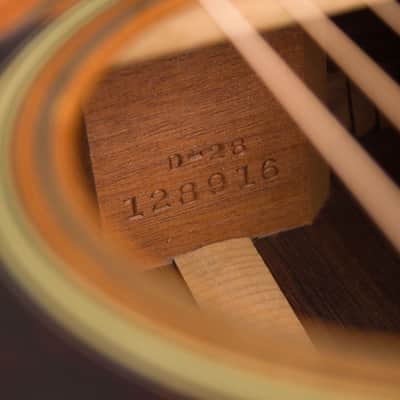
C. F. Martin D-28 owned and played by Chris Eldridge Flat Top Acoustic Guitar (1953), ser. #128916, original black hard shell case.
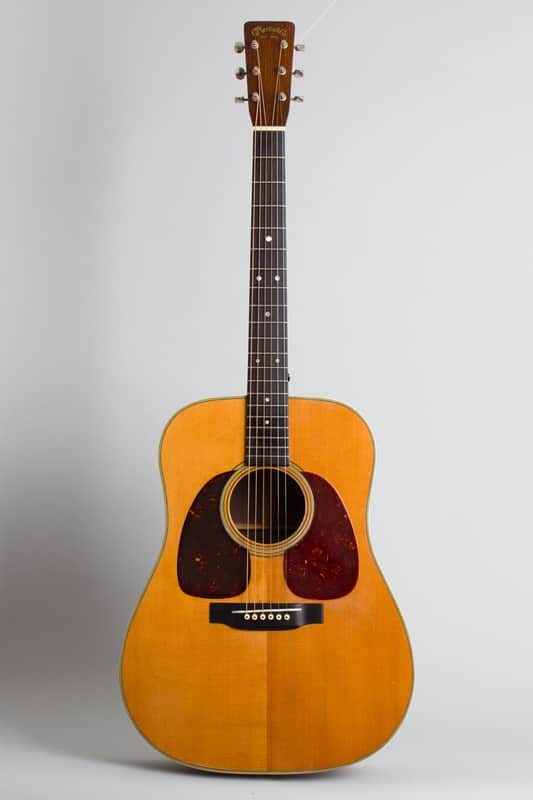
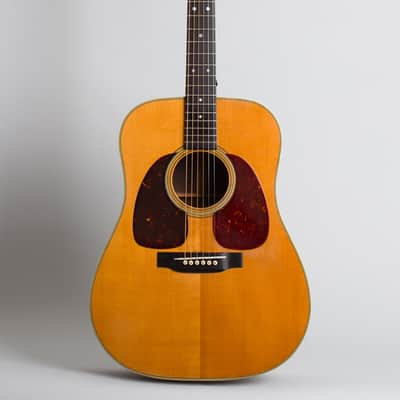
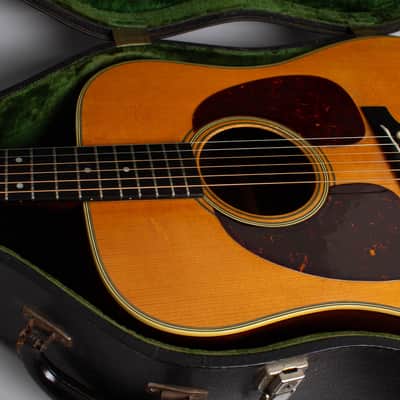
C. F. Martin D-28 owned and played by Chris Eldridge Flat Top Acoustic Guitar (1953), ser. #128916, original black hard shell case.
Il venditore non ha impostato il costo di spedizione per Canada. Per favore contatta e chiedigli il costo della spedizione.
PrezzoC$29,028.39
+ spedizione
Pubblicato:2 mesi fa
Visualizzazioni:7.417
Salvataggi:100
Offerte:0

Brooklyn, NY, Stati Uniti
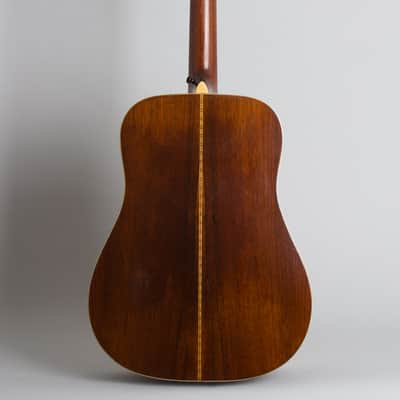
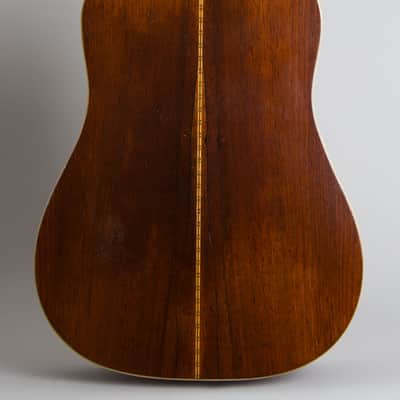
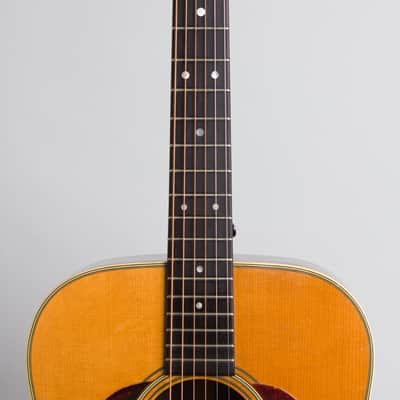
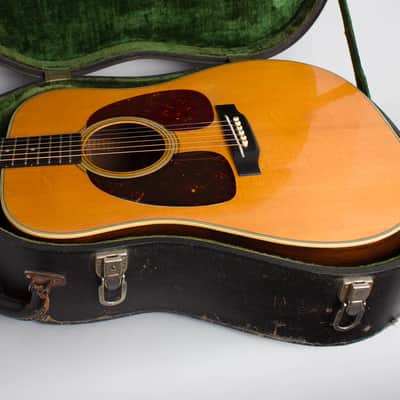
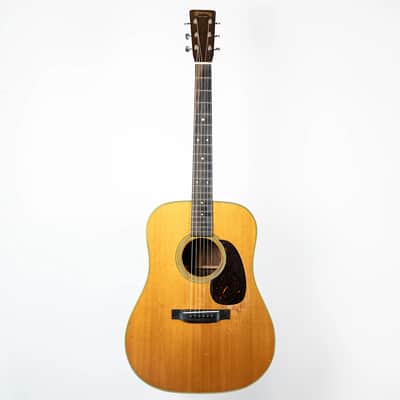
C. F. Martin D-28 owned and played by Chris Eldridge Model Flat Top Acoustic Guitar (1953), made in Nazareth, PA, serial # 128916, natural lacquer finish, Brazilian rosewood back and sides, spruce top; mahogany neck with ebony fingerboard, original black hard shell case.
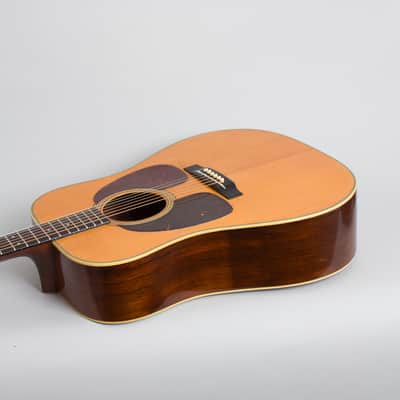
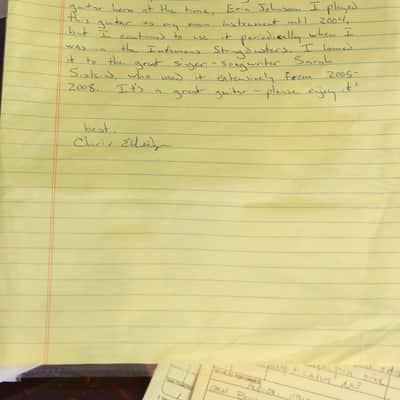
This played-in Martin D-28 dates to the beginning of 1953, when Country & Western stars of the day had made the D-28 their standard; many top artists would not be seen without one! This D-28 has a more recent artist provenance, having been the self-described "first good guitar" for noted picker (and super nice guy) Chris Eldridge. It is an instantly recognizable guitar thanks to the double pickguards, which appear factory original or at least period. In a letter included with the instrument dated 2012 Chris describes buying the guitar from Eric Johnson in 2000, using it as his main instrument for some years and then loaning the instrument to Sarah Siskind from 2005-2008. We at Retrofret sold the guitar for Chris in 2012 and are happy to see it again; it is a wonderful, instrument.
The D-28 has a long pedigree; after WWII this was the biggest, best and most expensive guitar Martin made. The elaborate pearl trimmed models were discontinued during the war and not revived, leaving this comparatively austere rosewood Dreadnought as top of the line. Despite strong competition from Gibson's Jumbos, in the 1950s the D-28 was the final word in a flat-top stage instrument to most professional players.
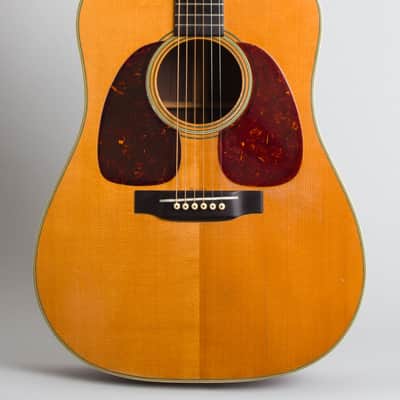
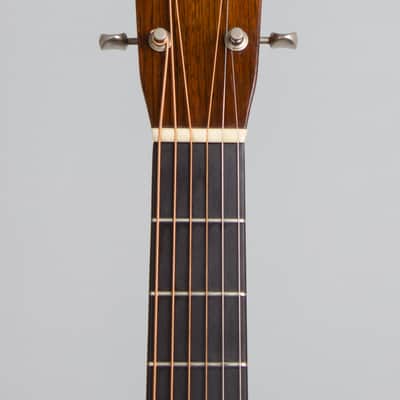
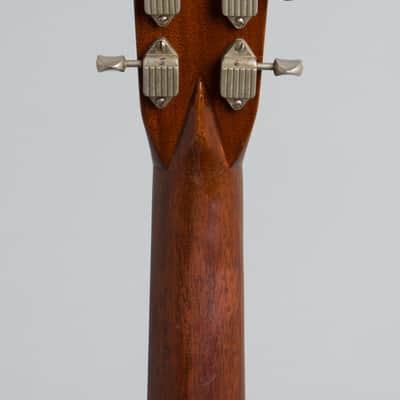
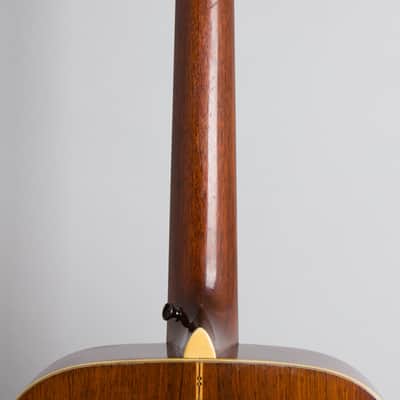
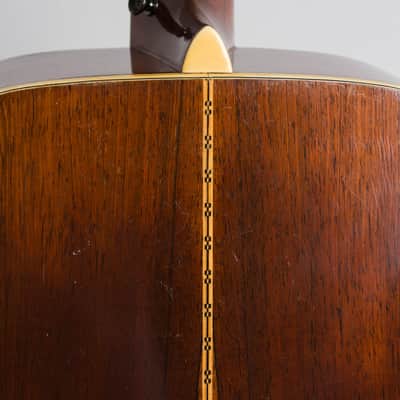
This example was one of the first of 675 sold in 1953, the model's highest total to date even at the fairly stiff price of $200 (without case). It shows the classic period appointments: multi-layer celluloid binding on the back and top, a long-saddle ebony bridge, "Big-dot" graduated pearl inlaid ebony fingerboard, tortoise pattern Celluloid pickguard(s) and the enclosed Kluson "Waffleback" tuners specific to the time. It features a beautiful straight-grained Brazilian rosewood back and sides and a tight and even-grained spruce top that would also be considered premium wood today. The mahogany neck is slimmer than some with a "soft V" profile that becomes more noticeable as it approaches the body.
This is a seriously played in guitar, used extensively by more than one master player. As with most old Martins its real beauty comes in the playing; this is a warm sounding example with a strong bass response but very even with more punch in the upper range than some. This one has been played or decades but still delivers, a super friendly stage or recording guitar that has been many places along the way.
Overall length is 41 in. (104.1 cm.), 15 11/16 in. (39.8 cm.) wide at lower bout, and 4 7/8 in. (12.4 cm.) in depth at side, taken at the end block. Scale length is 25 1/2 in. (648 mm.). Width of nut is 1 11/16 in. (43 mm.).
This veteran D-28 has seen a lot of use but has been well maintained, worn in but not too heavily and with generally well executed maintenance repairs. The original lacquer finish shows light overspray over parts of the body and the heel. Most noticeably there is a bookmatched discoloration on each side just below the waist, which is subtle but noticeable particularly on the treble side. The sides have been oversprayed, but it is hard to say why this particular effect was produced, perhaps some uneven (but controlled) variation in the application. The top finish appears largely original, with some possible light overspray in places, while the back finish appears original as well.
Wear from play includes some strum wear into the wood along the top and back edge of the lower pickguard and lower soundhole rim, with some more random pick marks around the top. The back and sides are cleaner with one spot of finish missing on treble side of the lower bout. The back of the neck has the original finish worn down to wood in the first position and along the spine, with overspray on the heel area only.
The guitar has had at least one neck reset, and has been refretted with somewhat larger fretwire than the original 1950s spec. and fitted with a newer bone nut. The original ebony bridge has been previously reglued, lowered somewhat and the original saddle slot plugged with ebony for a newer compensated bone through saddle moved slightly to the rear. There are some small visible pulls to the spruce around the bridge perimeter from this lift. The original braces and bridgeplate are still intact with a small ebony cap installed on the bridgeplate just over the pin holes.
Other repairs include two spruce grain splits to the top between the bridge and end pin, one along the wing of the bridge on the treble side (cleated), the other on the treble side of the center seam (partially cleated). There is also a sealed grain split along the inner edges of both pickguards, the treble side crack has been cleated, the bass side topically sealed. There are also several sealed rosewood grain splits in the sides along the lower bout below the endpin.
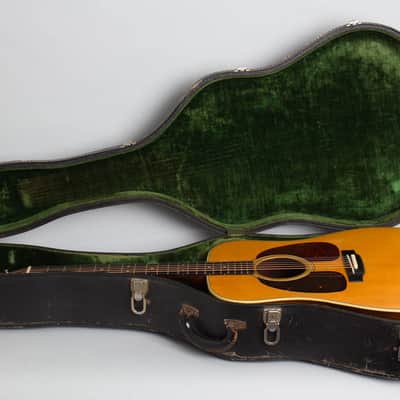
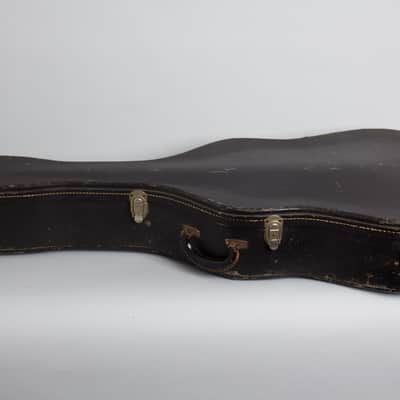
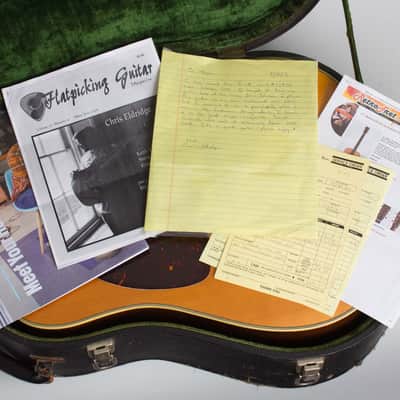
The guitar retains the original Kluson tuners, with original (or at least period correct) bridge pins; the endpin is later. A strap button has been added to the treble side of the heel. Unsurprisingly considering its history with two very discerning players this is a superb sounding guitar, offering a full range response with less overwhelming bass accent than some old D-28s. It resides in the original green-lined black HSC with a signed letter from Chris Eldridge confirming his ownership of the guitar, some reprinted magazine articles about him (including one picturing him with this instrument) and several detailed repair receipts from 2012-2014 detailing some of the work noted above. Overall Very Good + Condition.
This played-in Martin D-28 dates to the beginning of 1953, when Country & Western stars of the day had made the D-28 their standard; many top artists would not be seen without one! This D-28 has a more recent artist provenance, having been the self-described "first good guitar" for noted picker (and super nice guy) Chris Eldridge. It is an instantly recognizable guitar thanks to the double pickguards, which appear factory original or at least period. In a letter included with the instrument dated 2012 Chris describes buying the guitar from Eric Johnson in 2000, using it as his main instrument for some years and then loaning the instrument to Sarah Siskind from 2005-2008. We at Retrofret sold the guitar for Chris in 2012 and are happy to see it again; it is a wonderful, instrument.
The D-28 has a long pedigree; after WWII this was the biggest, best and most expensive guitar Martin made. The elaborate pearl trimmed models were discontinued during the war and not revived, leaving this comparatively austere rosewood Dreadnought as top of the line. Despite strong competition from Gibson's Jumbos, in the 1950s the D-28 was the final word in a flat-top stage instrument to most professional players.
This example was one of the first of 675 sold in 1953, the model's highest total to date even at the fairly stiff price of $200 (without case). It shows the classic period appointments: multi-layer celluloid binding on the back and top, a long-saddle ebony bridge, "Big-dot" graduated pearl inlaid ebony fingerboard, tortoise pattern Celluloid pickguard(s) and the enclosed Kluson "Waffleback" tuners specific to the time. It features a beautiful straight-grained Brazilian rosewood back and sides and a tight and even-grained spruce top that would also be considered premium wood today. The mahogany neck is slimmer than some with a "soft V" profile that becomes more noticeable as it approaches the body.
This is a seriously played in guitar, used extensively by more than one master player. As with most old Martins its real beauty comes in the playing; this is a warm sounding example with a strong bass response but very even with more punch in the upper range than some. This one has been played or decades but still delivers, a super friendly stage or recording guitar that has been many places along the way.
Overall length is 41 in. (104.1 cm.), 15 11/16 in. (39.8 cm.) wide at lower bout, and 4 7/8 in. (12.4 cm.) in depth at side, taken at the end block. Scale length is 25 1/2 in. (648 mm.). Width of nut is 1 11/16 in. (43 mm.).
This veteran D-28 has seen a lot of use but has been well maintained, worn in but not too heavily and with generally well executed maintenance repairs. The original lacquer finish shows light overspray over parts of the body and the heel. Most noticeably there is a bookmatched discoloration on each side just below the waist, which is subtle but noticeable particularly on the treble side. The sides have been oversprayed, but it is hard to say why this particular effect was produced, perhaps some uneven (but controlled) variation in the application. The top finish appears largely original, with some possible light overspray in places, while the back finish appears original as well.
Wear from play includes some strum wear into the wood along the top and back edge of the lower pickguard and lower soundhole rim, with some more random pick marks around the top. The back and sides are cleaner with one spot of finish missing on treble side of the lower bout. The back of the neck has the original finish worn down to wood in the first position and along the spine, with overspray on the heel area only.
The guitar has had at least one neck reset, and has been refretted with somewhat larger fretwire than the original 1950s spec. and fitted with a newer bone nut. The original ebony bridge has been previously reglued, lowered somewhat and the original saddle slot plugged with ebony for a newer compensated bone through saddle moved slightly to the rear. There are some small visible pulls to the spruce around the bridge perimeter from this lift. The original braces and bridgeplate are still intact with a small ebony cap installed on the bridgeplate just over the pin holes.
Other repairs include two spruce grain splits to the top between the bridge and end pin, one along the wing of the bridge on the treble side (cleated), the other on the treble side of the center seam (partially cleated). There is also a sealed grain split along the inner edges of both pickguards, the treble side crack has been cleated, the bass side topically sealed. There are also several sealed rosewood grain splits in the sides along the lower bout below the endpin.
The guitar retains the original Kluson tuners, with original (or at least period correct) bridge pins; the endpin is later. A strap button has been added to the treble side of the heel. Unsurprisingly considering its history with two very discerning players this is a superb sounding guitar, offering a full range response with less overwhelming bass accent than some old D-28s. It resides in the original green-lined black HSC with a signed letter from Chris Eldridge confirming his ownership of the guitar, some reprinted magazine articles about him (including one picturing him with this instrument) and several detailed repair receipts from 2012-2014 detailing some of the work noted above. Overall Very Good + Condition.
| Pubblicato | 2 mesi fa |
|---|---|
| Condizione | Molto buono (Usato) Gli articoli "Molto buoni" possono mostrare qualche piccolo segno o graffio ma sono pienamente funzionali e in buone condizioni generali.Scopri di più |
| Marchio | |
| Modello |
|
| Finish |
|
| Categorie | |
| Anno |
|
| Ritiro |
|
| Tipo di corda |
|
| Destrimani/Mancini |
|
| Numero di corde |
|
| Materiale manico della chitarra |
|
| Forma body |
|
| Materiale parte posteriore |
|
| Materiale parti laterali |
|
| Materiale parte anteriore |
|
| Serie | |
| Materiale tastiera |
|
| Famiglia modello | |
| Famiglia colore |
|
| Preamplificatore attivo |
|
| Numero di tasti |
|
Le informazioni sulla sicurezza del prodotto sono disponibili qui.

Protezione di Reverb
Resi semplici, transazioni sicure, assistenza di persone in carne e ossa
Scopri di più