William S. Haynes Sterling Silver Clarinet Thermoclarinet Super rare # 271


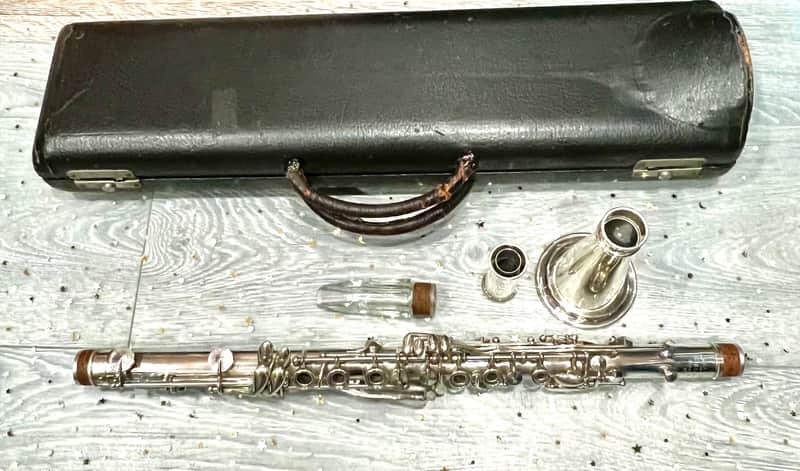
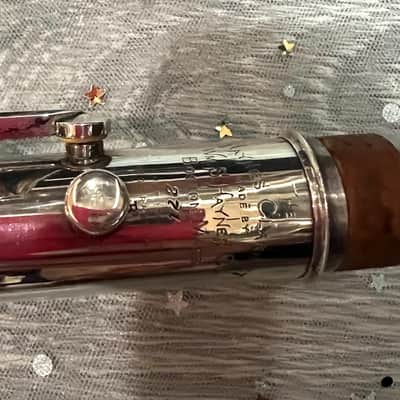
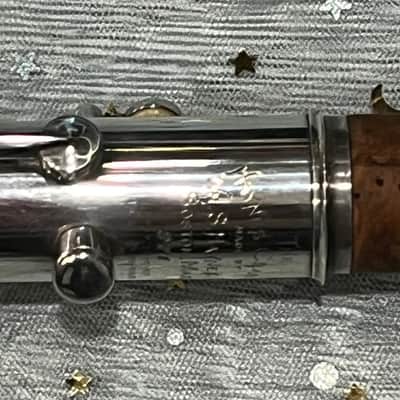
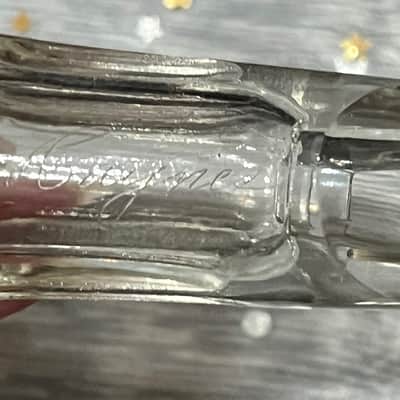
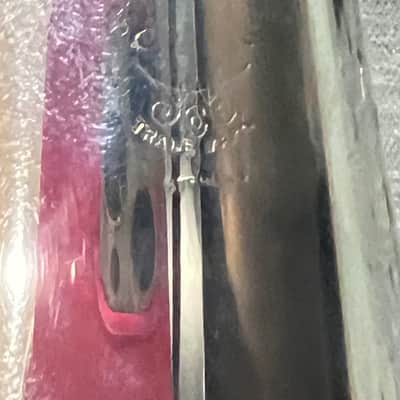
This is a rare, sterling silver, double wall William S. Haynes clarinet.
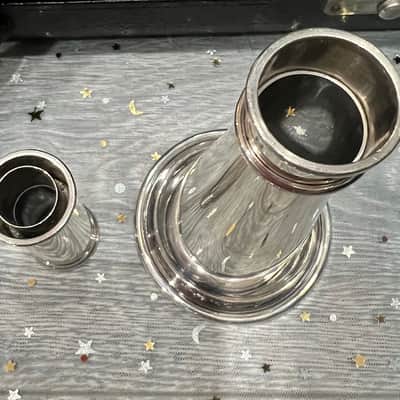
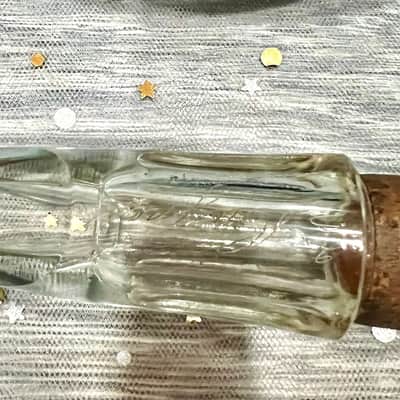
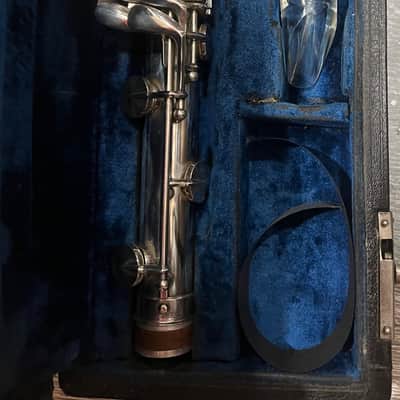
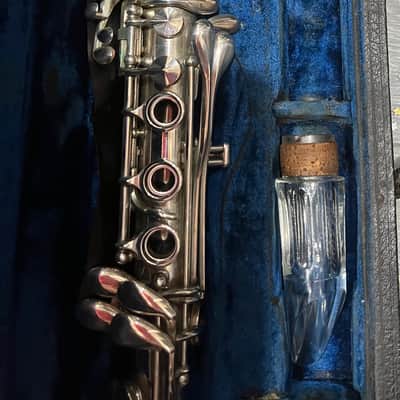
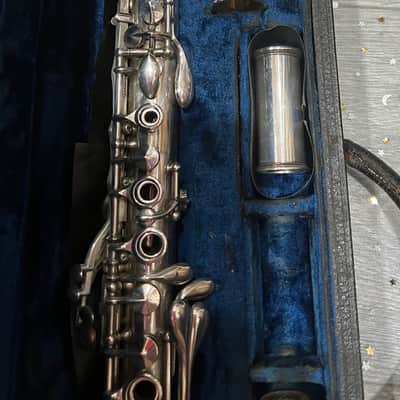
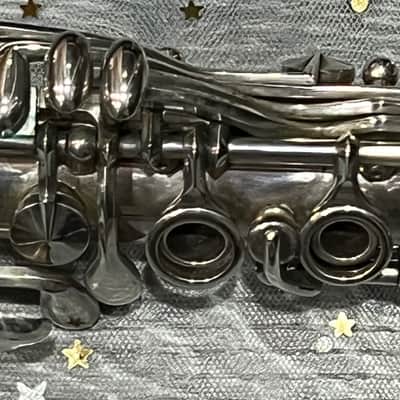
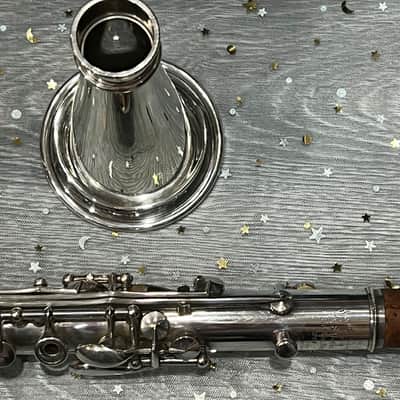
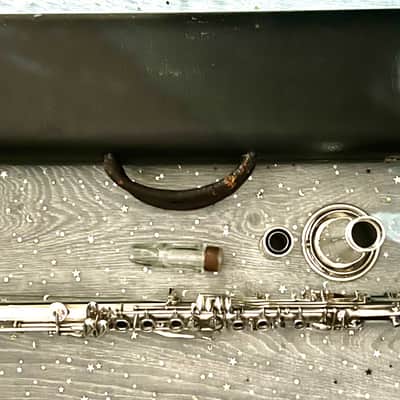
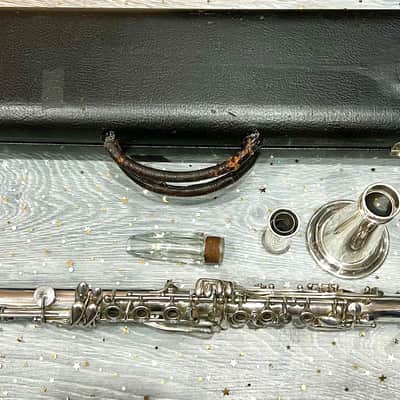
Sterling Silver Clarinet #271 The sterling silver body, bell, barrel, and keys are all in superb condition. this clarinet is absolutely beautiful. There are no dents and no soldering. The pads are in good condition. It is truly one of the finest I have ever seen. It even has the original case which is also in superb condition, even the handles.
The William S. Haynes Company began the manufacture of a double-wall, sterling-silver clarinet, based on the principal of a thermos flask, in 1926.
The Haynes Sterling Thermoclarinet #271 is a rare and collectible wind instrument, notable for its unique combination of materials and craftsmanship. Designed as a fusion of modern innovation and traditional woodwind construction, it features a sterling silver body that enhances tonal clarity and resonance. The “thermo” aspect may refer to advanced thermal stabilization or an insulating design to ensure consistent performance regardless of temperature changes, ideal for both indoor and outdoor performances.
Its #271 designation suggests a limited production run, adding to its exclusivity and appeal for musicians and collectors alike. The instrument is finely crafted with ergonomic keywork, ensuring ease of play and precision. Its striking appearance and exceptional tonal quality make it a prized possession for clarinetists and enthusiasts.
Items only come with case or accessories if pictured or listed in the listing.
Items only come with
accessories/parts pictured and or listed in the listing.
The William S. Haynes Company began the manufacture of a double-wall, sterling-silver clarinet, based on the principal of a thermos flask, in 1926. The fabrication of this instrument continued until 1942, resulting in a total production of only 334 examples. It was the only time in the history of the Haynes Company that an instrument other than the flute was produced.
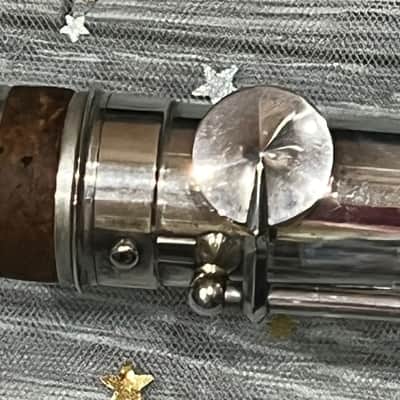
The patent for the thermoclarinet was filed on March 19, 1926, and awarded patent number 1,715,162 on May 28, 1929. The instrument consists of two, hard-drawn, sterling-silver, seamless tubes, one within the other. The bore of the inner tube matches that of a regular wood clarinet. Similarly, the outer tube matches the exterior size of a wood clarinet. Between the two tubes is a one-eighth-inch air space. A small slide, or louver, is placed at the end of the body, just above the bell. This louver can be opened, revealing the inner tube and exposing the air space. When closed, the space between the tubes is air tight. Near the top of the body is a second vent. This consists of an extended tube covered with a metal cap that renders it air tight. When the cap is removed, the outer bore is opened and the inner bore is exposed to the air. The procedure to warm the clarinet is simple. The bottom louver is opened and the top vent cap is removed. The player blows warm air into the top vent, expelling the cold air through the bottom. After several breaths the clarinet is warm and the vents are closed to seal in the warmth. The barrel of the clarinet also features a double bore. It fits tightly over the top of the body forming a tuning slide.
Nowhere on the thermoclarinet patent, nor in any advertising material or newspaper articles, is there any mention of Verne Q. Powell, co-director of Haynes at the time this instrument was designed. Yet, according to Powell, it was he who invented the warming device. So upset was Powell with this situation that he left the William S. Haynes Company, having worked there since 1913, to set up his own shop prior to July of 1926.
“These instruments were owned by a professional musician who prioritized exceptional tone, craftsmanship, and playability. While detailed maintenance records are not available, the instruments have been well cared for, stored appropriately, and display only minimal signs of professional use.”
Reverb Buyer Protection
Reverb has your back if your item is lost, damaged, or doesn't match its description. Simply report any issues within 7 days and we'll help you get a full refund.Learn more about Reverb Buyer Protection.
| Listed | 2 years ago |
|---|---|
| Condition | Mint (Used) Mint items are in essentially new original condition but have been opened or played.Learn more |
| Brand | |
| Model |
|
| Finish |
|
| Categories | |
| Year |
|
| Made In |
|
Product safety information may be available here.