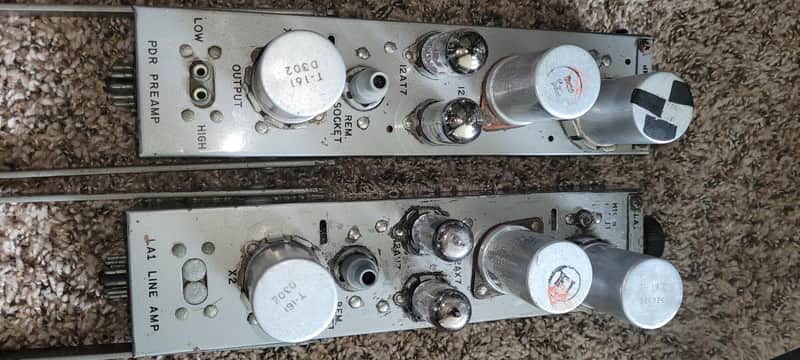
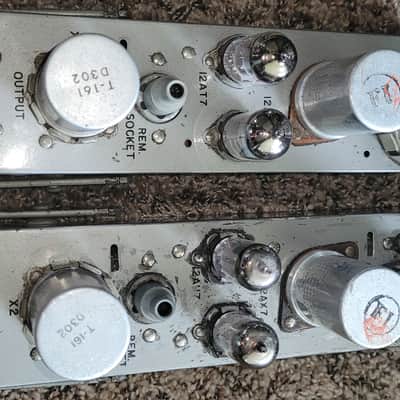
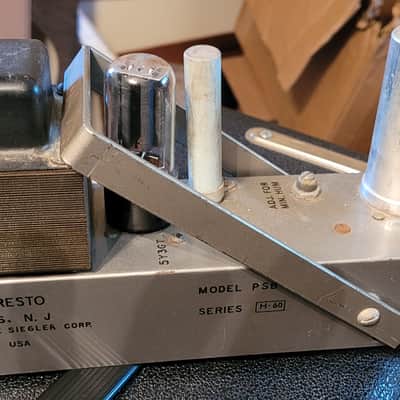
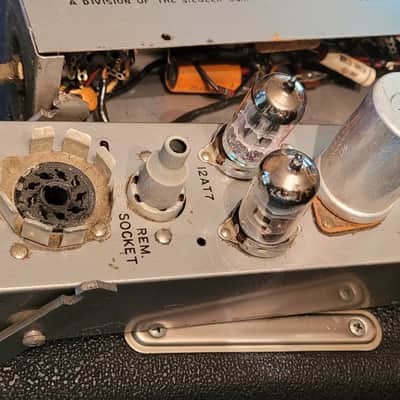
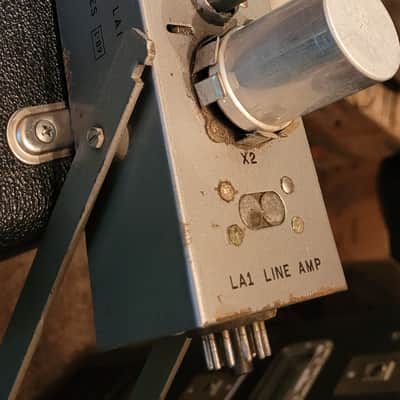
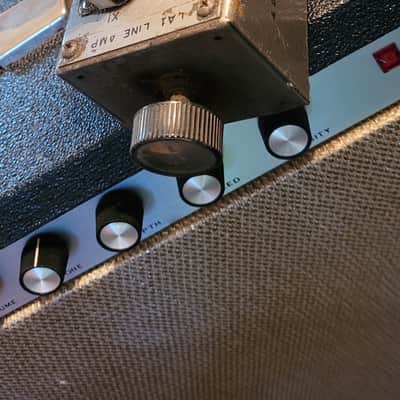
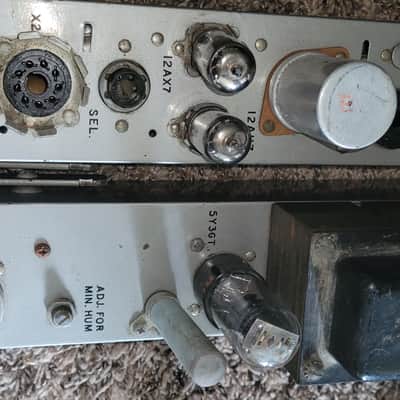
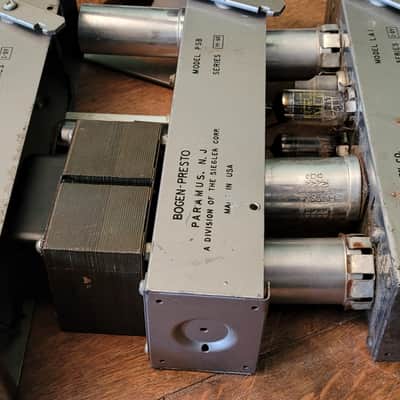
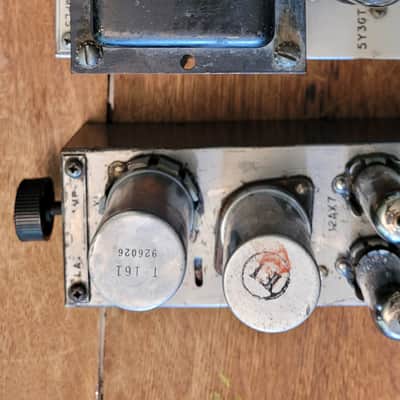
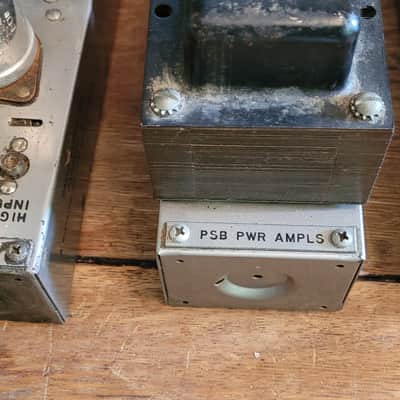
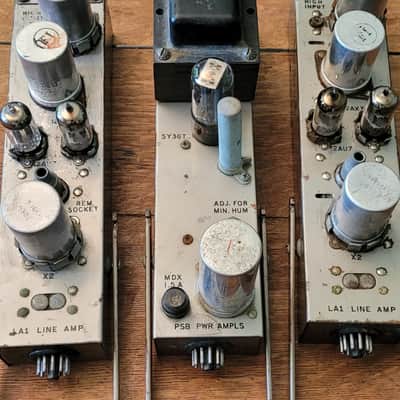
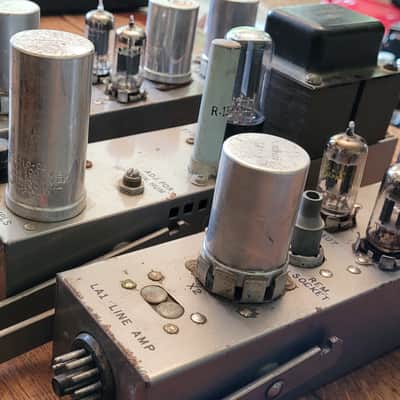
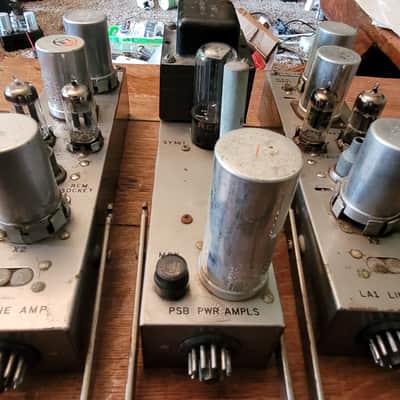
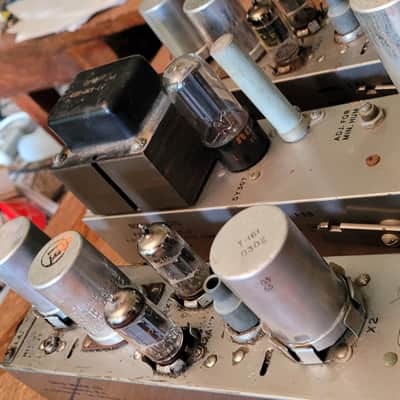
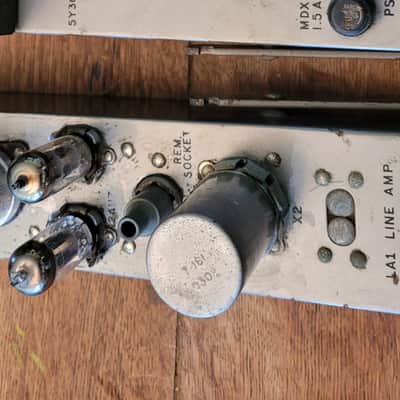
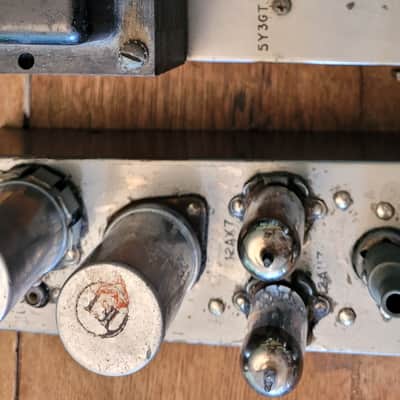
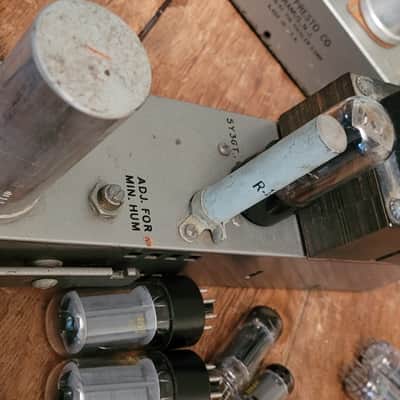
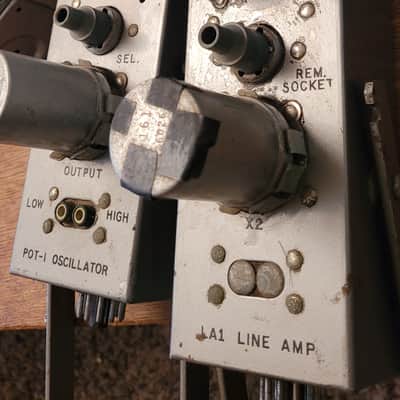
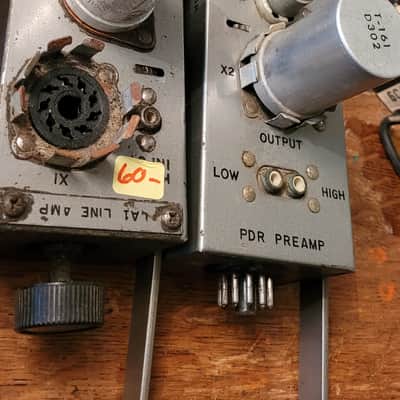
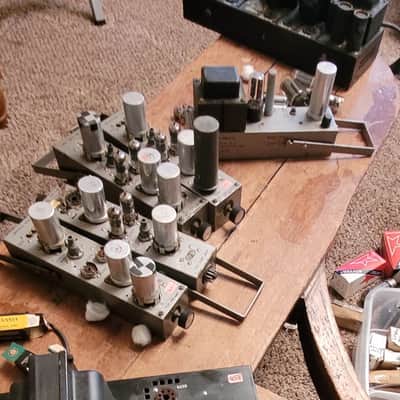
Bogen/Presto LA1 All Tube MIC PREAMPS TRULY AMAZING 1960
This seller has not set a shipping cost for Portugal. Please contact them to ask about shipping.

Our users rate Reverb
I found these in the remnants of a studio buy-out in St Louis with several other Bogen pro power amps from the heyday of the Bogen or Bogen/presto era.
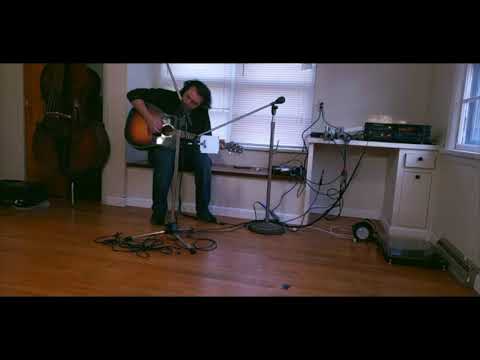
Please read this entire description and check out the video that uses the two modules for the audio. Also bear in mind the digital compression on YouTube which will certainly dull the audio, but at least give you an idea.)
These were the work horses of early pro studios, using all tube preamplification with the plate voltages you would need to do this correctly. The Bogen presto era began around 1958 when the two makers of high-end audio were combined... Presto made studio lacquer disc cutters for mastering, and Bogen made the powerful amps that ran the studio monitors and also powered the transducers that were necessary on the cutting styluses that made the studio lacquer discs back in the day.
These mic preamps are the REAL DEAL... but they came with no connectors and used multi-pin molex plugs... so I had to reverse-engineer them, once I acquired the necessary plugs.
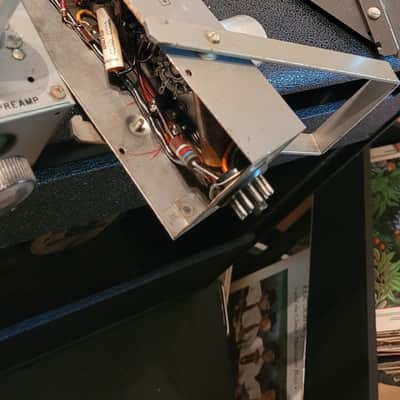
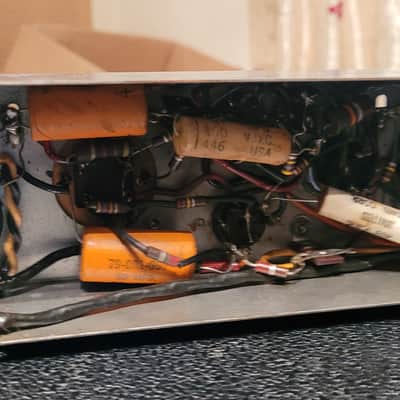
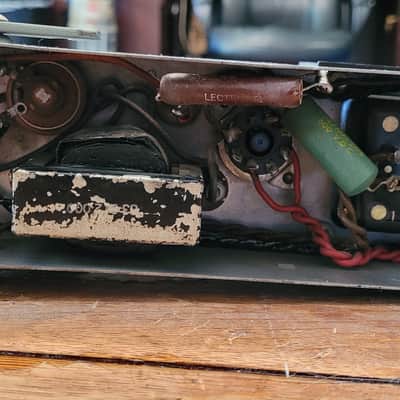
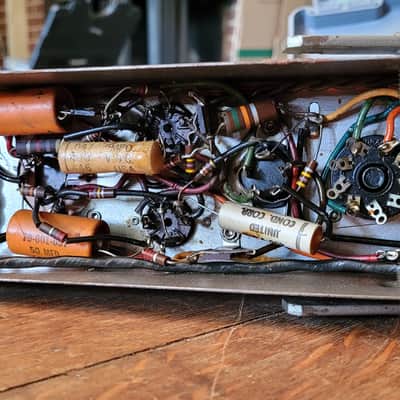
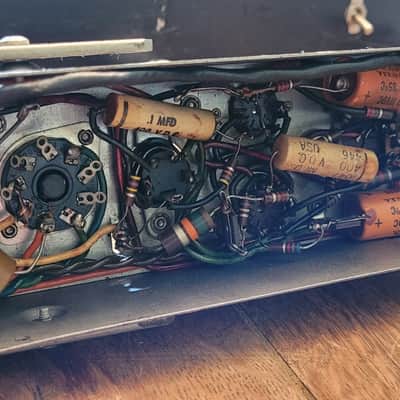
I rebuilt the internal connections, the coupling caps, and smaller electrolytics... and though it took a few weeks, I was able to figure out how to power these up, utilizing the hi-lo-z transformers, added phantom power, and the 50s era, rack style components, which were the TWO LA1 line amps (preamps) with their power supply, which used a dead serious 550v B+ voltage to get those preamp tubes to produce the hi-fi audio with staggeringly high gain and signal to noise ratio.
Make no mistake, Bogen was making some of the best studio gear in the states in that 1958-1964 era. The later simple PA amps were a different company that no longer was the pro audio, high end resource... These units are austere, powerful, all-tube design, a tried and true state of the art audio component that I dare say has never been equaled, because of the heart and soul of these early Bogen pro pieces... the TRANSFORMERS... Bogen made the BEST, and therefore had the best audio of this era, the majority of which, if you can find them, are still serviceable.
I have restored these to the amazing studio preamps they were designed to be. I even made a video of the first test, using a PZM and a large diaphragm condenser in stereo. The video was recorded on my phone, and the audio was captured on an R-dat digital tape machine in my live ambient drum room, then dubbed onto the video, just to give you an idea of the capabilities of these preamps.
There is nothing else in the signal chain, and the frequency response of these is amazingly flat and the entire audible spectrum and beyond.
The gain is also epic, and the noise floor is whisper quiet, provided you have the quality tubes, which I will provide. I was recording an acoustic guitar track and it almost seemed as if I was getting a breathy HISS... but in fact, the sound I heard was the fabric of my shirt moving against my SKIN... these are just amazingly sensitive, with seemingly perfect EQ.
The phantom power is provided by an ART mini preamp that I only use for that purpose. I replaced the caps in that pre to make sure the phantom didn't introduce any noise into the signal and also the tube heaters power supply has been converted to FILTERED DC, to again keep the preamps free of any noise.
These were made to last forever. But it would behoove you to have a certain technical skill to use these, as they are not modified, but can give you any sound possible with studio condensers or even dynamic mics...
I can't say how long the tubes will last, but they will be getting about the highest plate voltages appropriate for the tubes, but they use common tubes that are easy to find anywhere, one 12au7 and one 12ax7. I have not had to change the tubes in the 2 years of studio use.
You can get ridiculous gain, or pad it to accept high sound pressure instruments as drums or guitar amps, but if you think something is missing in your studio mic preamps, be they tube or SS, THIS IS THE ANSWER. And doubtless you ARE missing what this has. Even Abbey Road studios had nothing like these. The gear used on the LP Abbey Road was solid state and the bass program as well as production techniques had matured. But Abbey Road/EMI wouldn't have used these on account of they preferred cooler operational voltages on their valve-driven preamps. That's why those recordings often lacked the punchy bass, you hear on the LP of the same name. There were different priorities as well, as evidenced in the often gainy midrange sound of Paul's bass. The idea being, the bass was heard, but not FELT.
THIS SALE is for the two LA1 preamps, which were designed to accept XLR connections, so they are equipped with hard wired XLR cannon plugs in the input and output, standard wiring. The ART unit for phantom power, which connects into the power supply molex via XLR cannon plug and the original 550v power supply with the modded DC heater supply.
It's not a toy. These are the voltages you need to get the best tube sound and I can't think of ANY preamp on the market now that comes close, and doubtless, there are liability issues when selling something with these deadly voltagds. Sure, some may boast of clean sound and unbiased flat response, but unless those tubes are getting the real juice needed from the best transformers, they will ALL inevitably fall short. The ONLY reason I am selling these, is because I have another preamp of the same lineage that takes care of my studio needs.
(Note: The other module shown is mine and not for sale.)
Your preamp will be:
2x Bogen circa 1960 LA1 preamp modules.
1 Bogen matching preamp power supply.
1 Molex connector that splits into two, to power both modules. With XLR IN/OUTS and an additional XLR to accept phantom voltage from an outboard phantom unit.
1 art micro amp to provide phantom power.
This is the only working example of this high-end preamp system that I'm aware of.
I've seen the racks these fit into before, but have no idea where to find the late 50s-era racks like that. Ideally, these should be kept in a grounded metal Faraday cage along with the power supply. There are also inserts on these modules, or "remotes" as they are labeled. You can wire up whatever your studio needs as a muting switch or other remote options. Since there are no schematics available, you have to know what you're looking at and any voltages at the remote access ports.
There are no meters on these, so you will need to use your ears and a little intuition. Level meters on these would be almost unusable, since they have such a huge range of usable levels.
Just bar-none, the best, hottest preamps ever made (to my ears), and a perfect ideal preamp to record voice and delicate acoustic instruments, but equally capable of loud, bass heavy plosives, with the highest fidelity, or overdrive that's so subtle and even handed, without the fuzz or buzz...
Acoustic bass was a revelation, using a large diaphragm mic and a PZM taped to the bass under the strings, near the bridge...
Because of the nature of these preamps, and the skill level needed to use and set up/interface with your system, they are sold as-is, with the agreement that the power supply, transformers, and connectors are functional.
If you are not a tech, have one on hand to assist with setup. These are high-level pro devices, and contain deadly voltages, but can be used safely by a competent tech and set up to be used safely by any engineer. You'll have that thing you've wanted, the edge and a variety of tones within your grasp, and also a unique sonic signature that NO ONE ELSE HAS. Thanks for looking!
| Listed | 3 years ago |
|---|---|
| Condition | Good (Used) Good condition items function properly but may exhibit some wear and tear.Learn more |
| Brand | |
| Model |
|
| Finish |
|
| Categories | |
| Year |
|
| Made In |
|
Product safety information may be available here.