2008 Epiphone SLASH Signature Les Paul Gold Top Electric Guitar w/ OHSC
This listing has ended
See similar gear from other Reverb sellers

Our users rate Reverb
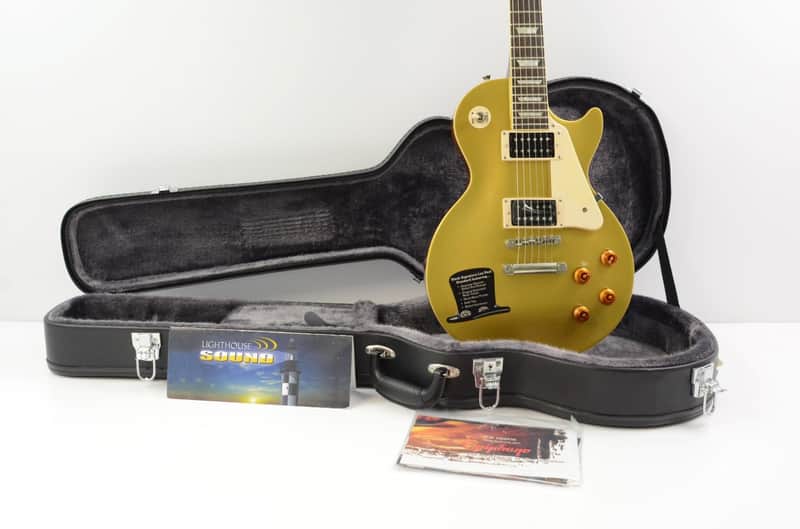
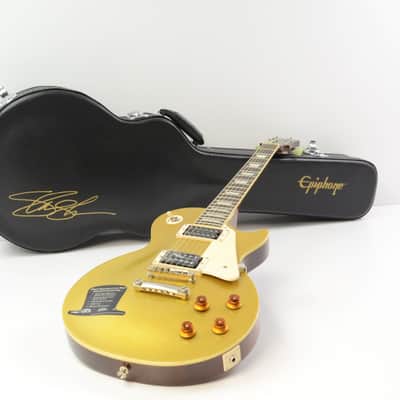
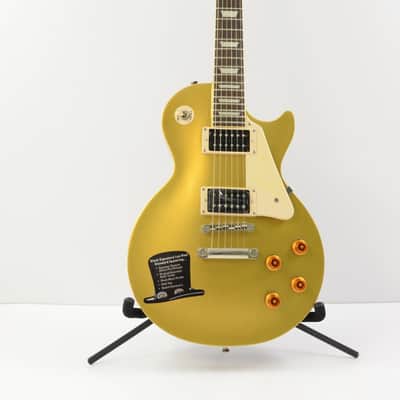
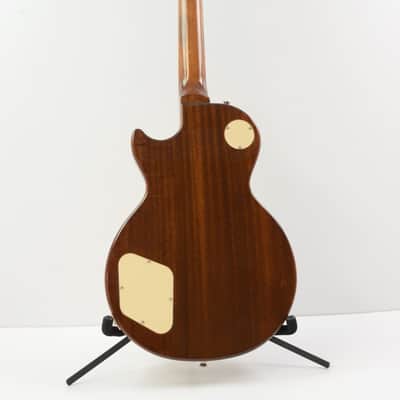
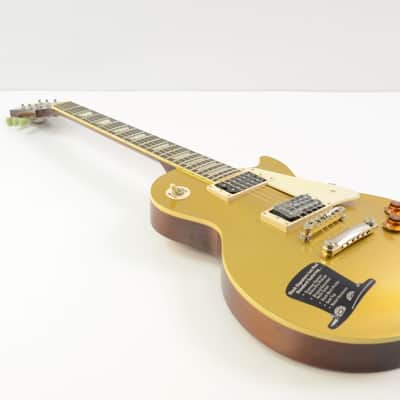
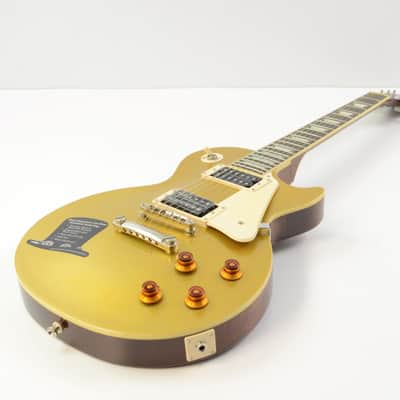
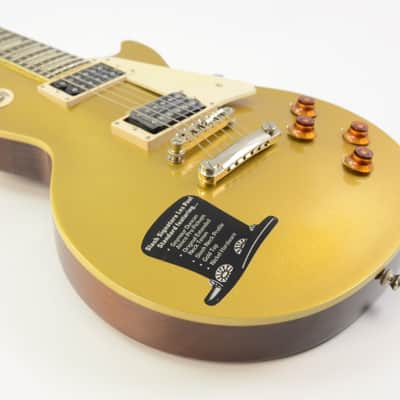
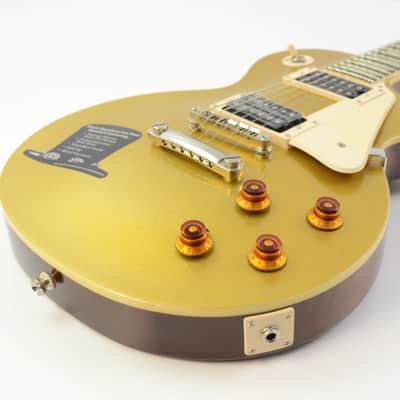
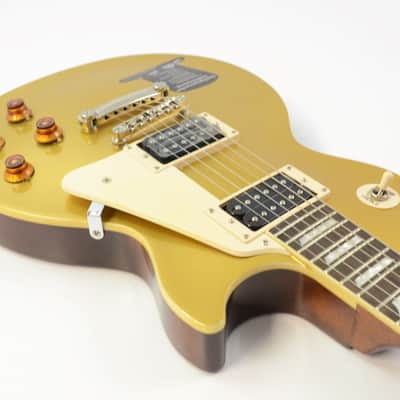
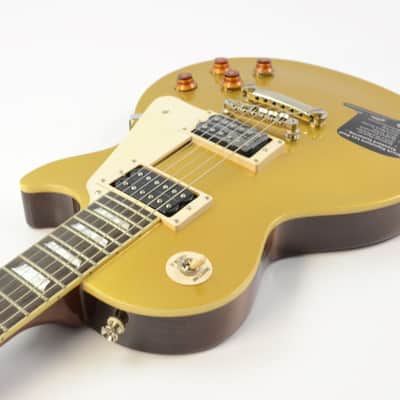
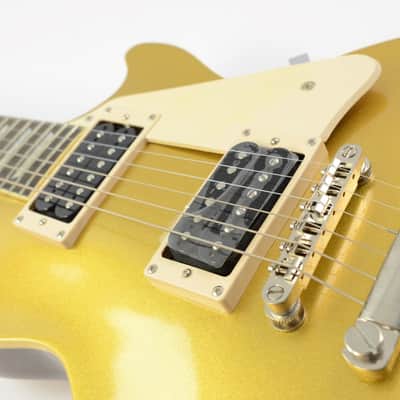
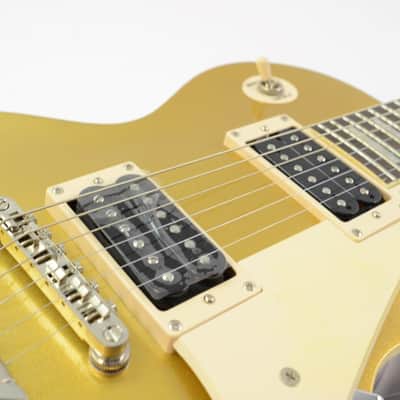
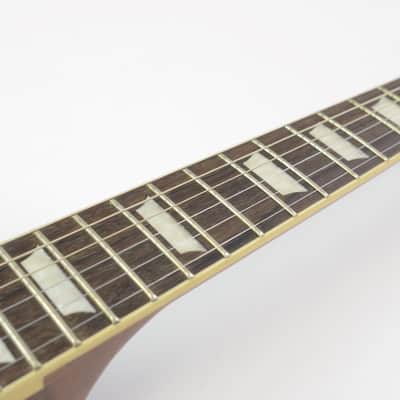
Epiphone Slash Signature Les Paul Standard Gold Top in excellent condition. The guitar has little to no playwear. It still has the protective plastic on the bridge pickup and the original "Black Hat" sticker on the body. Classic Gold top finish on the maple cap and a clear finish on the mah body and long tenon neck. The body and rosewood fretboard has antique white binding. The guitar has a great action and the rounded '50's profile (preferred by Slash) has a great feel. The frets are in excellent condition. The Seymour Duncan Alnico Pro pickups sound great. If you're used to the sound of Gibson's 498's and 500T's, you'll be struck with how open and breathy the Alnico Pros sound. This guitar is a great player with nice action and a very comfortable neck- looks, plays and sounds great! Includes Epiphone Slash hard shell case and paperwork.
Serial Number: EE080306150
Weight: 8 lbs. 4 oz.Key Features:
Gold Top
Dual Humbucking Pickups
Epiphone Hard Case
Long Neck Tenon
If you're a dyed-in-the-wool Slash fan, and the budget doesn't stretch to the USA version, stop reading this now and just buy this guitar. Seriously. However, if like the majority of people you're trying to work out exactly where it sits between the Epiphone LP Standard Plus Top and the USA Gibson Les Paul Standard, there are a few things worth considering.
First and most important, Epiphone has chosen the right woods for this guitar (bearing in mind that some Epi LPs have used an alder body). You get a one-piece solid mah back with a maple cap that measures around 5/8ths-inch thick at the back of the bridge pickup cavity. The set mah neck comes complete with the very important long-tenon joint that extends beneath the neck pickup cavity.
To help in the aesthetic department the lovely Gold Top and the whole thing is finished in high-gloss polyurethane. This will stay bright and shiny for decades, unlike a nitro-cellulose-finished USA Les Paul Standard which will take on the patina of age relatively quickly if used and abused enough.
Hardware
The bridge and tailpiece are nickel-plated, which will tarnish much more quickly than chrome, much to the chagrin of owners who like to keep it all looking A1. Staying with aesthetics, while the body binding is very tidy, there's less than 1mm of it visible from the front. On a Gibson Les Paul, it's closer to 2mm; a subtle point but it does jar if you're used to looking at those lovely '59-style LPs.
There are practical benefits to Epiphone's LockTone bridge and tailpiece. As any long-suffering tune-o-matic/stop tailpiece users will know, the parts are free to fall off when restringing, but here Epiphone has developed a spring-loaded clip system that holds them on.
This arrangement is not as secure as the TonePros type, but much better than standard fare. Epiphone is also claiming tonal benefits, drawing on the theory that anything that's physically locked down will transfer vibration better.
There's some sense in that, but the parts are more sprung in place than physically locked down. We could be splitting hairs here - we don't hear too many complaints about the tone of a great Les Paul with standard hardware. The biggest issue is loose or rattling saddles: no such worries with the Epiphone Slash.
Feel
The neck feels fantastic. Slash's preferred chunky '50s profile feels suitably massive in your hand; thick shoulders and no concessions whatsoever to speed freaks brought up on skinny, flat profiles.
Similarly impressive is the fingerboard; we've had Gibsons through these offices in recent times that need work from new, but not this more lowly Epi. This attractive rosewood slab is super smooth and lovely to play, helped no end by a commendable fret job.
The acrylic trapezoid inlays are neat too, if not as attractive as those on many a USA and especially Custom Shop Les Paul. Less impressive is the nut; it's cut a touch high (better that way than too low, granted) and it's sticky. This is relatively easy to sort, but it'll be a source of much tuning-related grimacing if you're not familiar with guitar maintenance.
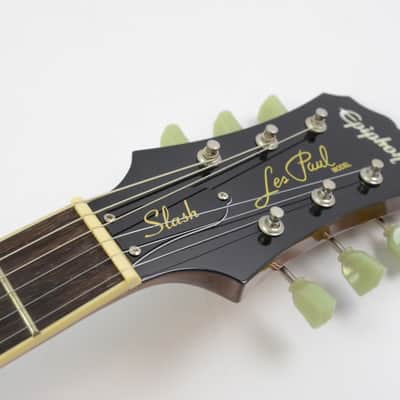
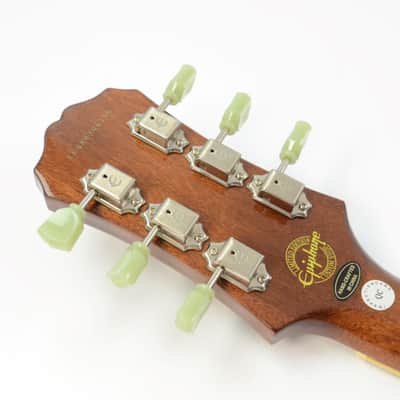
Finally the peghead and tuners: overly green keys and slightly wonky fitment of the low E peg notwithstanding, it all functions as it should. Epiphone's standard headstock pitch is 14 degrees, while the 'correct' Gibson angle is 17 degrees (the shallower pitch means less down pressure over the nut).
| Listed | 11 years ago |
|---|---|
| Condition | Excellent (Used) Excellent items are almost entirely free from blemishes and other visual defects and have been played or used with the utmost care.Learn more |
| Brand | |
| Model |
|
| Finish |
|
| Categories | |
| Year |
|
| Body Type |
|
Product safety information may be available here.