DBX 228
This gear has sold
See similar gear from other Reverb sellers
Listed:5 years ago
Views:216
Watchers:0
Offers:5

long beach, CA, United States
Our users rate Reverb
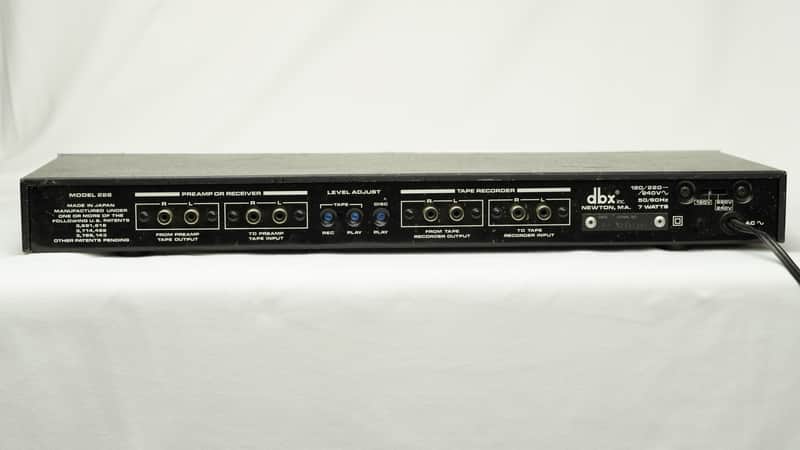
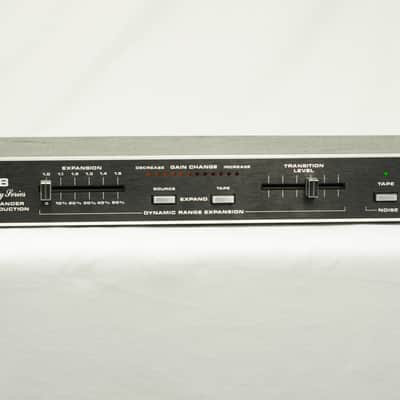
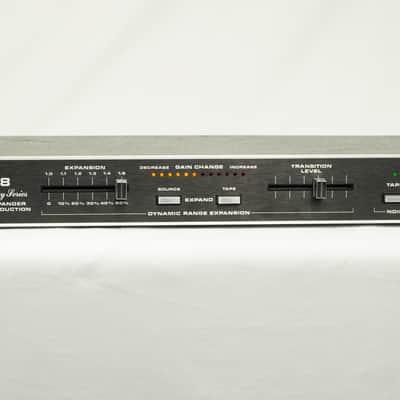
The dbx Model 228 (whose full name is the "Type II Tape/Disc Noise Reduction System & Dynamic Range Expander") is a compact, versatile multifunction signal-processing accessory that operates in the signal path between the preamplifier and power amplifier or in a monitor loop of the preamplifier. It has three distinctly different basic functions. As a dynamic-range expander, it can increase the dynamic range (in decibels) of any program by up to 50 per cent. It is a recording and playback noise-reduction system, dbx Type II, with separate encode/decode circuits that compress the signal by 2:1 during recording and expand it by the same amount during playback. Finally, it can decode the playback of dbx-encoded discs.
The dbx II noise-reduction system (the consumer version of the professional dbx I system) operates over the full audio-frequency range, making its noise reduction equally effective against hum and hiss. It also has internal high-frequency pre-emphasis during recording and a complementary de-emphasis during playback.
A feature of the dbx noise-reduction system is its relative independence of program level. Because of the system's extremely wide dynamic range, and because the same compression and expansion slopes are maintained over its full dynamic range, precise record-playback level matching is not required. As a tape-recording accessory, the system can theoretically double the dynamic range of a tape recorder. This offers the intriguing possibility of obtaining a 100-dB range from a cassette deck whose inherent dynamic range is only 50 dB. Even with allowance for variations in the placement of the compressed program within the available operating range, a dynamic range of 90 dB is achievable with cassette recorders. As with other encode/decode noise-reduction systems, the dbx II can only reduce the noise added during the recording and playback process and will not affect noise already in the program.
The dbx II noise-reduction system (the consumer version of the professional dbx I system) operates over the full audio-frequency range, making its noise reduction equally effective against hum and hiss. It also has internal high-frequency pre-emphasis during recording and a complementary de-emphasis during playback.
A feature of the dbx noise-reduction system is its relative independence of program level. Because of the system's extremely wide dynamic range, and because the same compression and expansion slopes are maintained over its full dynamic range, precise record-playback level matching is not required. As a tape-recording accessory, the system can theoretically double the dynamic range of a tape recorder. This offers the intriguing possibility of obtaining a 100-dB range from a cassette deck whose inherent dynamic range is only 50 dB. Even with allowance for variations in the placement of the compressed program within the available operating range, a dynamic range of 90 dB is achievable with cassette recorders. As with other encode/decode noise-reduction systems, the dbx II can only reduce the noise added during the recording and playback process and will not affect noise already in the program.
This item is sold As-Described
This item is sold As-Described and cannot be returned unless it arrives in a condition different from how it was described or photographed. Items must be returned in original, as-shipped condition with all original packaging.Learn More.
| Listed | 5 years ago |
|---|---|
| Condition | Very Good (Used) Very Good items may show a few slight marks or scratches but are fully functional and in overall great shape.Learn more |
| Brand | |
| Model |
|
Product safety information may be available here.