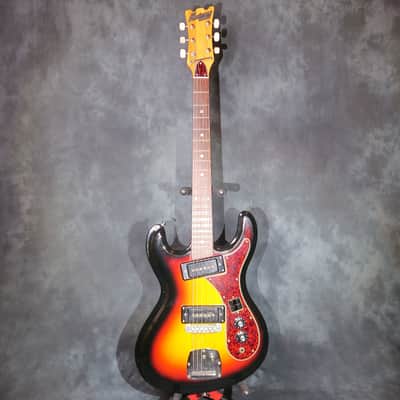
Univox Hi-Flier Phase I / Custom
Compare 0 Listings
Product details
Gallery
Product Specs
| Brand | |||||
|---|---|---|---|---|---|
| Model |
| ||||
| Finish |
| ||||
| Year |
| ||||
| Made In |
| ||||
| Categories | |||||
| Body Shape |
| ||||
| Body Type |
| ||||
| Bridge/Tailpiece Type |
| ||||
| Color Family |
| ||||
| Finish Pattern |
| ||||
| Finish Style |
| ||||
| Fretboard Material |
| ||||
| Neck Construction |
| ||||
| Neck Material |
| ||||
| Number of Frets |
| ||||
| Number of Strings |
| ||||
| Offset Body |
| ||||
| Pickup Configuration |
| ||||
| Right / Left Handed |
| ||||
Overview
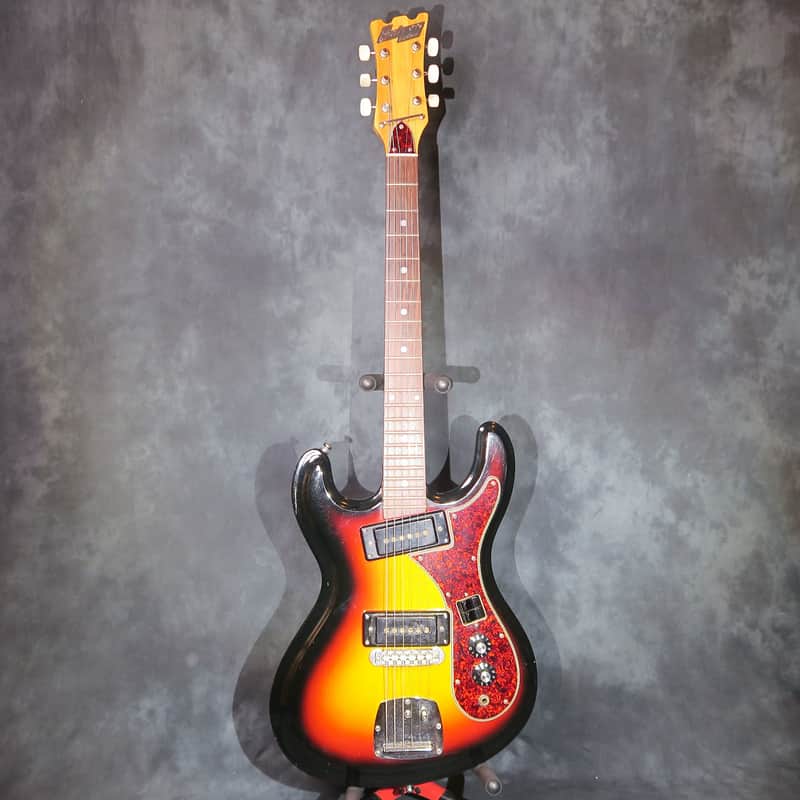
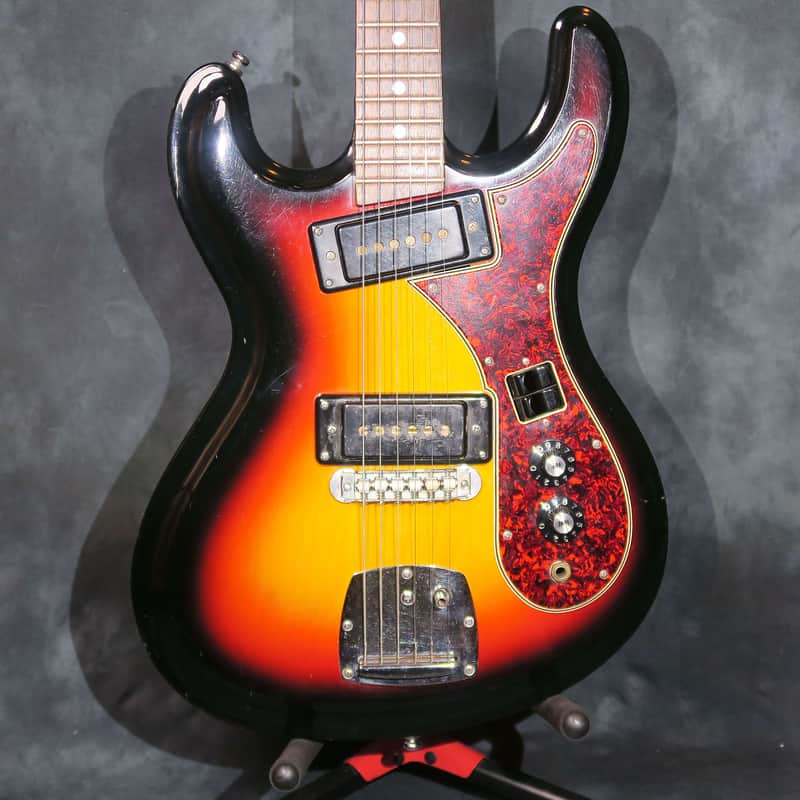
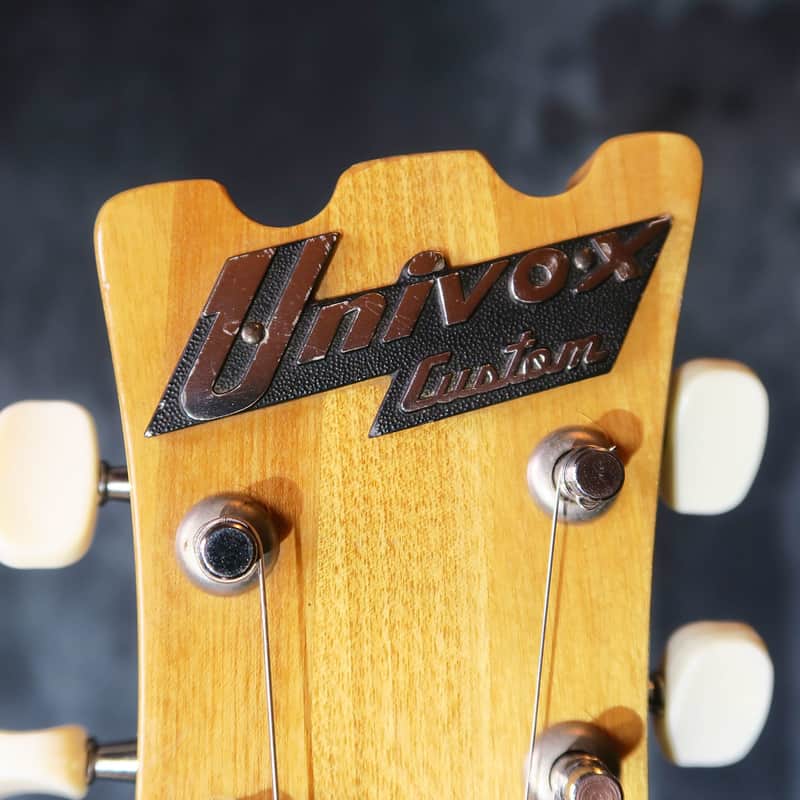
The Hi-Flier debuted in 1967 with a design based on the Mosrite Mark I guitar. The original version of the Hi-Flier featured a slightly thicker body than later iterations, along with a large bar string retainer on the headstock, which covered all six strings. The control system also differed from later models, with the Phase I using rocker switches for pickup selection as opposed to a 3-way toggle on later models. Hi-Flier Customs were introduced late in the model run of the Phase I, and featured the same specs but a red tortoise pickguard instead of the standard white one. Around 1969, the Hi-Flier was updated to the Phase II version, which featured a thinner body and different pickup switching controls.
Reverb Price Guide
Estimated Value for Univox Hi-Flier Phase I / Custom on Reverb
Includes material, year, finish
*Excludes Brand New, B Stock, Fair, Poor, and Non-functioning. Prices exclude shipping and tax/VAT/GST.