Beliebte Produkte
Samson
Profi-AudioPatchbays
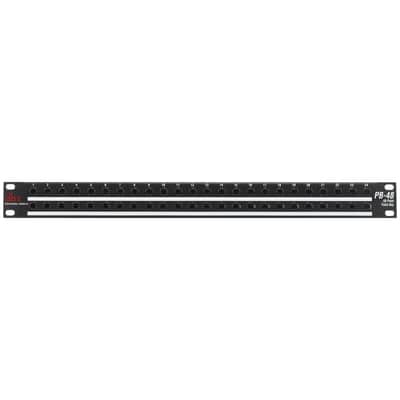
17 ab $166.89 vergleichenRedco
Profi-AudioPatchbays
Neutrik
Profi-AudioPatchbays
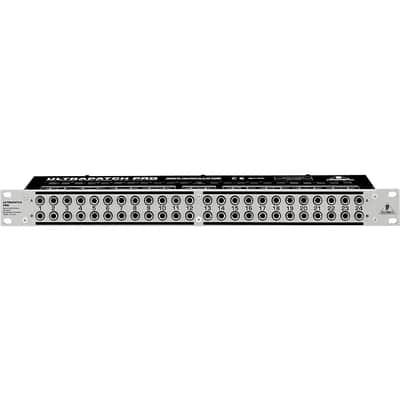
Behringer
Profi-AudioPatchbays
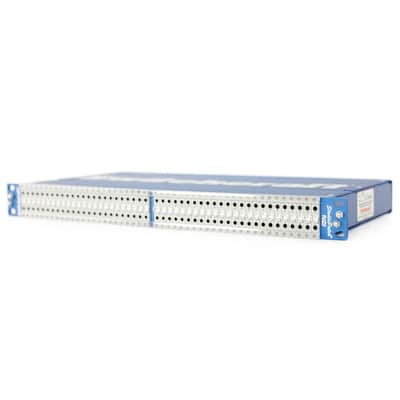
Switchcraft
Profi-AudioPatchbays
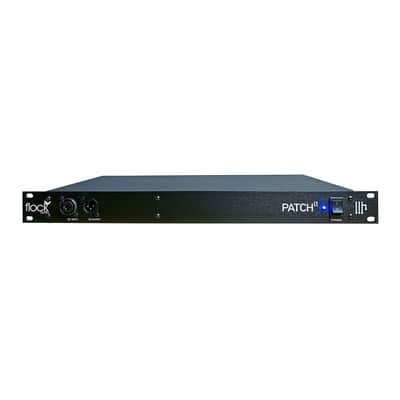
Flock Audio
Profi-AudioPatchbays
12 ab $104.48 vergleichenSwitchcraft
Profi-AudioPatchbays
Black Lion Audio
Profi-AudioPatchbays
Switchcraft
Profi-AudioPatchbays
Used Patchbays
Ursprünglich $500, jetzt $360 ($140 Preissturz) Ursprünglich $82, jetzt $75 (9% Preissturz) Ursprünglich $82, jetzt $75 (9% Preissturz) Ursprünglich $399, jetzt $350 ($49 Preissturz) Ursprünglich $77.39, jetzt $62.65 (20% Preissturz) Ursprünglich $500, jetzt $450 ($50 Preissturz) Ursprünglich $64.95, jetzt $54.95 (16% Preissturz) Ursprünglich $1,753, jetzt $1,675 ($78 Preissturz) Ursprünglich $10,000, jetzt $9,500 ($500 Preissturz) Ursprünglich $299, jetzt $217.97 ($81,03 Preissturz) Ursprünglich $1,399.99, jetzt $999.99 ($400 Preissturz) Ursprünglich $222, jetzt $99 ($123 Preissturz) Ursprünglich $222, jetzt $99 ($123 Preissturz) Ursprünglich $225, jetzt $199 ($26 Preissturz) Ursprünglich $135, jetzt $126 ($9 Preissturz) Ursprünglich $528.28, jetzt $475.45 ($52,83 Rabatt) Ursprünglich $850, jetzt $795 ($55 Preissturz) Ursprünglich $450, jetzt $415 ($35 Preissturz) Ursprünglich $575, jetzt $550 ($25 Preissturz) Ursprünglich $1,100, jetzt $899 ($201 Preissturz) Ursprünglich $313.24, jetzt $281.92 ($31,32 Rabatt) Ursprünglich $276.39, jetzt $248.75 ($27,64 Rabatt) Ursprünglich $110, jetzt $93.50 ($16,50 Preissturz) Ursprünglich $110.56, jetzt $72.97 ($37,59 Preissturz) Ursprünglich $3,755.45, jetzt $3,344.57 ($410,88 Preissturz)$3,755.45
$410,88 Preissturz
$3,344.57
Ursprünglich $125, jetzt $88 ($37 Preissturz) $8,999Kostenloser 2-Tage-Versand
Ursprünglich $80, jetzt $50 (38% Preissturz) Ursprünglich $275, jetzt $249 ($26 Preissturz) Ursprünglich $99.99, jetzt $89.99 (11% Preissturz) Ursprünglich $349, jetzt $300 ($49 Preissturz) Ursprünglich $737.04, jetzt $497.50 ($239,54 Preissturz)$737.04
$239,54 Preissturz
$497.50
Ursprünglich $1,526.13, jetzt $1,291.34 ($234,79 Preissturz)$1,526.13
$234,79 Preissturz
$1,291.34
Ursprünglich $350, jetzt $250 ($100 Preissturz) Ursprünglich $65, jetzt $59 (10% Preissturz)
New Patchbays
Ursprünglich $184.95, jetzt $158.15 ($26,80 Preissturz) Ursprünglich $118.95, jetzt $99.95 ($19 Preissturz) $2,287Kostenloser 2-Tage-Versand
$999Kostenloser 2-Tage-Versand
$349Kostenloser 2-Tage-Versand
Ursprünglich $75, jetzt $50 (34% Preissturz) $3,487Kostenloser 2-Tage-Versand
$64.99Kostenloser 2-Tage-Versand
$399Kostenloser 2-Tage-Versand
$189.99Kostenloser 2-Tage-Versand
Ursprünglich $1,044.81, jetzt $997.85 ($46,96 Preissturz)$1,044.81
$46,96 Preissturz
$997.85
Ursprünglich $599.99, jetzt $299.99 ($300 Preissturz) Ursprünglich $299.99, jetzt $119.99 ($180 Preissturz) $8,987Kostenloser 2-Tage-Versand
Ursprünglich $4,578.39, jetzt $3,287.05 ($1.291,34 Preissturz)$4,578.39
$1.291,34 Preissturz
$3,287.05
Ursprünglich $60, jetzt $40 (34% Preissturz) $999Kostenloser 2-Tage-Versand
Ursprünglich $2.25, jetzt $1.50 (34% Preissturz) Ursprünglich $2.25, jetzt $1.50 (34% Preissturz) Ursprünglich $2.25, jetzt $1.50 (34% Preissturz) Ursprünglich $2.25, jetzt $1.50 (34% Preissturz) Ursprünglich $2.25, jetzt $1.50 (34% Preissturz) Ursprünglich $3, jetzt $1.50 (50% Preissturz) $48.99Kostenloser 2-Tage-Versand
$199Kostenloser 2-Tage-Versand
$449Kostenloser 2-Tage-Versand
$999Kostenloser 2-Tage-Versand
Ursprünglich $99.99, jetzt $85.99 (15% Preissturz) $169Kostenloser 2-Tage-Versand
Ursprünglich $249, jetzt $169 ($80 Preissturz)Kostenloser 2-Tage-Versand
$799Kostenloser 2-Tage-Versand
$219Kostenloser 2-Tage-Versand
$799Kostenloser 2-Tage-Versand
Ursprünglich $29.23, jetzt $20.07 (32% Preissturz) $154.99Kostenloser 2-Tage-Versand
Ursprünglich $1,699, jetzt $1,499 ($200 Preissturz) $711Kostenloser 2-Tage-Versand
Ursprünglich $220, jetzt $180 ($40 Preissturz) Ursprünglich $99.99, jetzt $85.99 (15% Preissturz)Kostenloser 2-Tage-Versand
$119Kostenloser 2-Tage-Versand
Patchbays For Sale on Reverb
Every second counts when you're in the middle of recording, and patchbays are designed to streamline your workflow and save you time when you're in the middle of a creative push. Here on Reverb, we have information for everyone from newcomers to patchbays, home engineers ready to learn more about them, or experienced users who want to see to patchbay setups in professional studios.
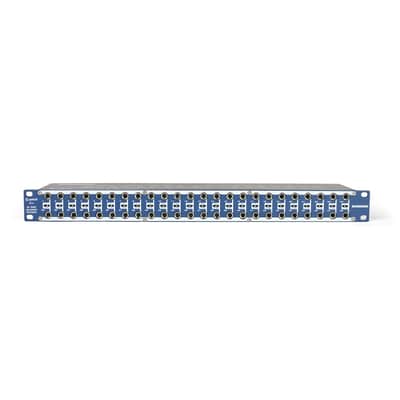
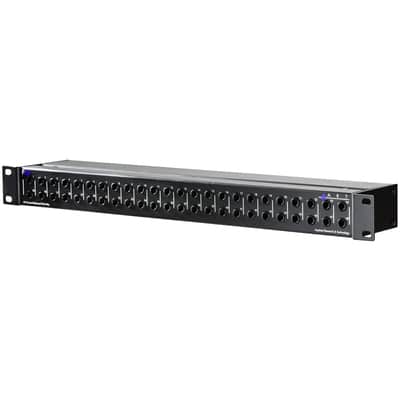
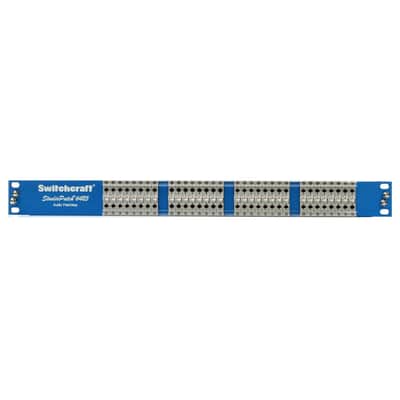
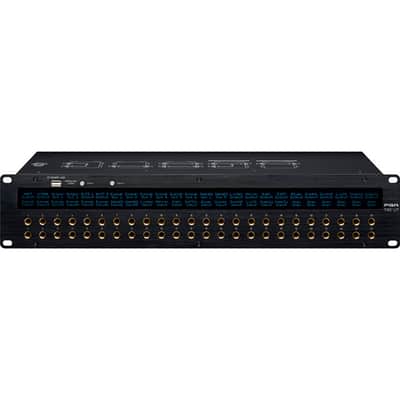
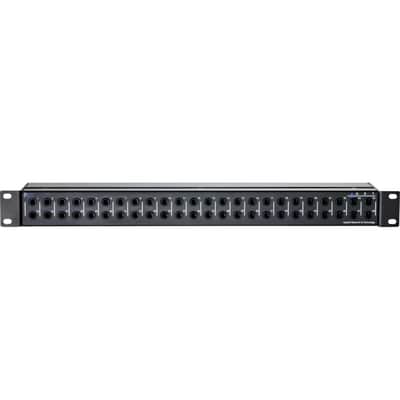
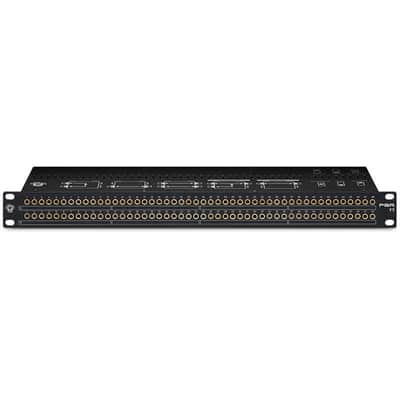
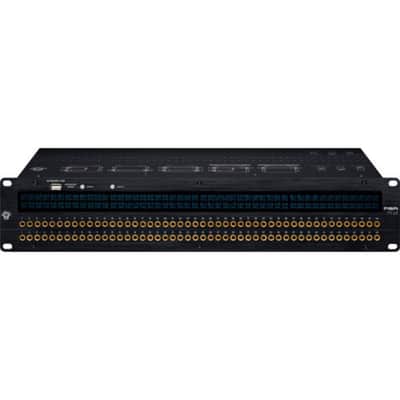
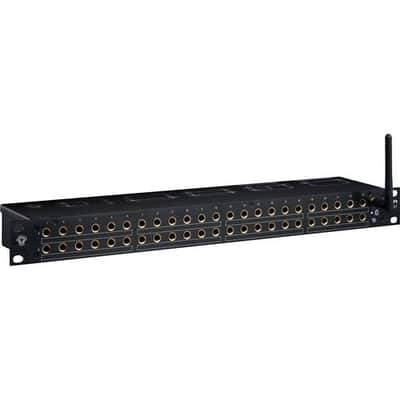
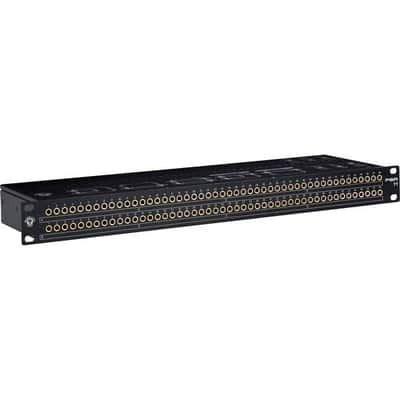
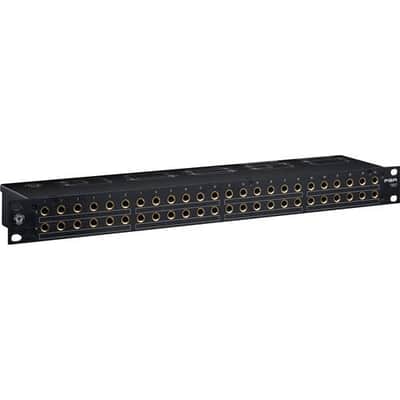
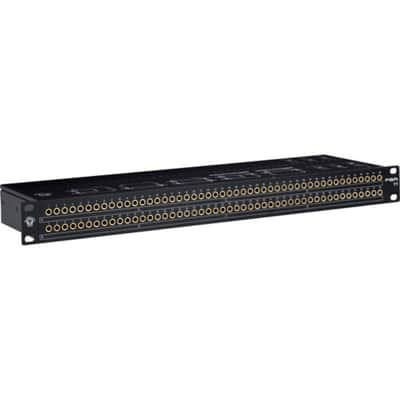
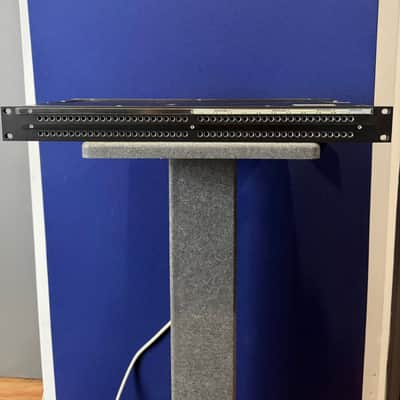
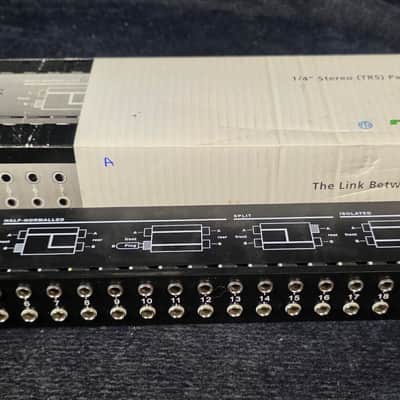
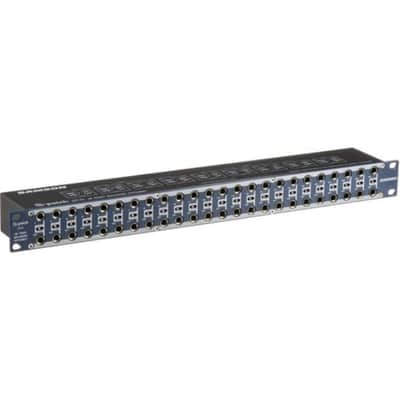
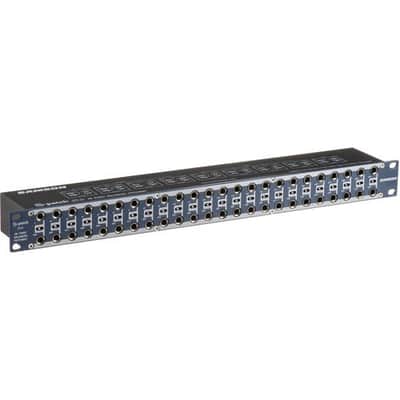
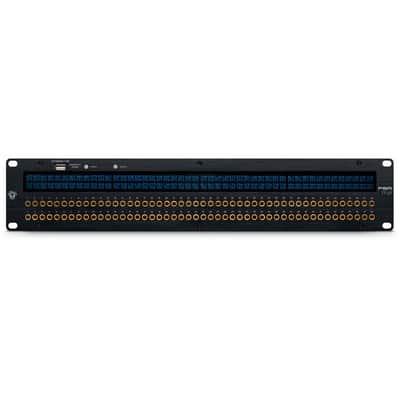
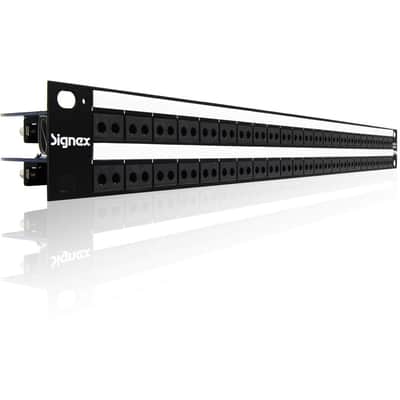
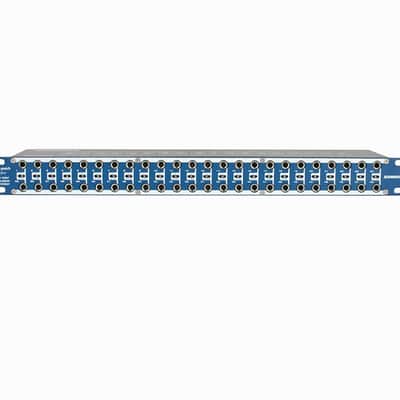
From the home studio-friendly accessibility of the Samson S-Patch Plus S Class 48-Point Balanced Patchbay to the expansive possibilities of the Switchcraft StudioPatch Series 9625 96-Point TT-DB25, plenty of deals on new and used patchbays can be found every day on Reverb.
What to Consider When Buying a Patchbay
At first glance, these nifty pieces of gear might look like daunting puzzle boxes of inputs and outputs, but understanding key elements of their design provide the clues you need to make the right purchase.
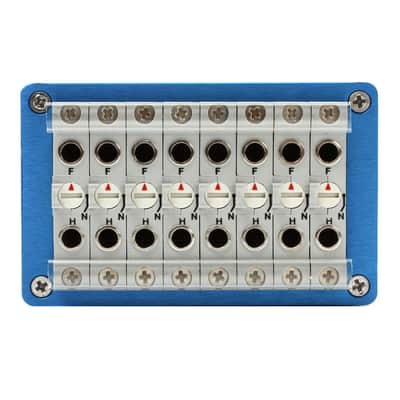
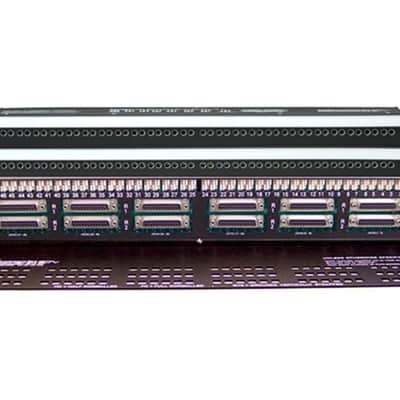
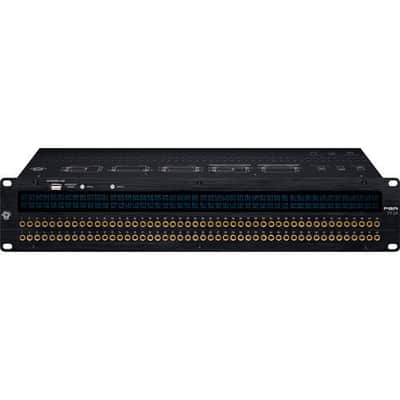
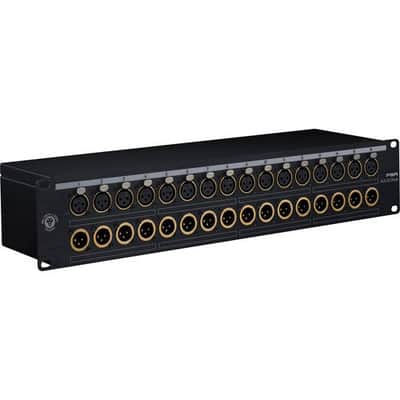
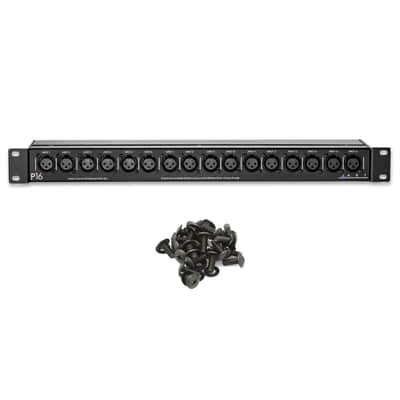
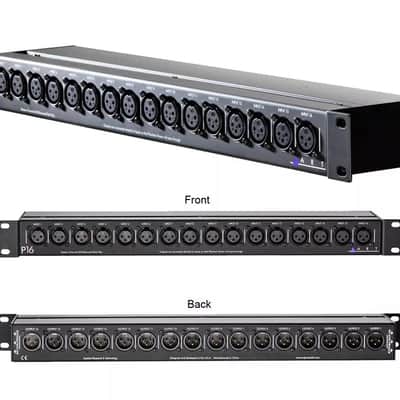
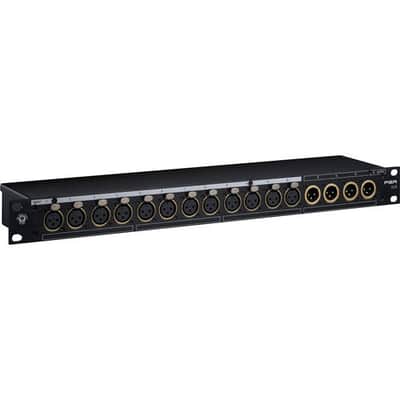
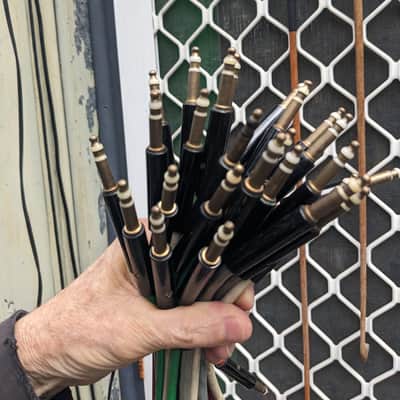
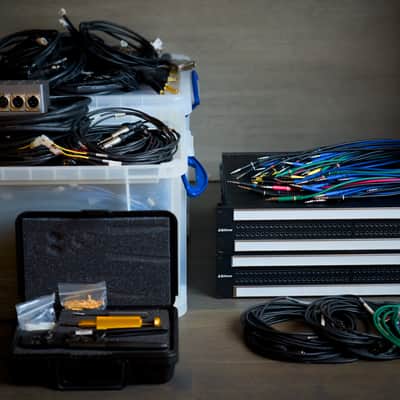
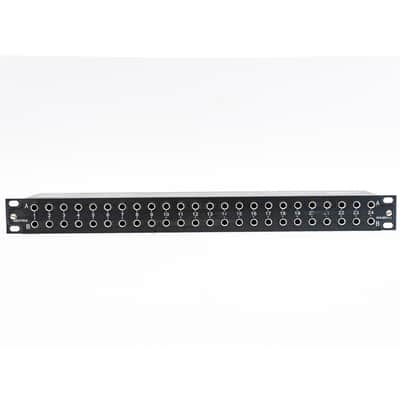
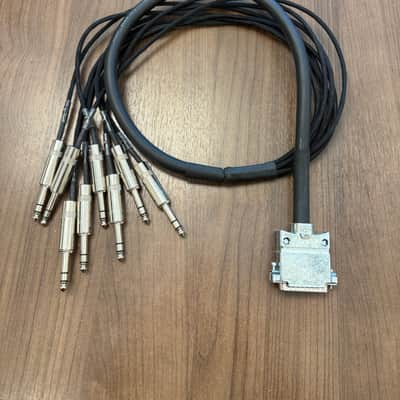
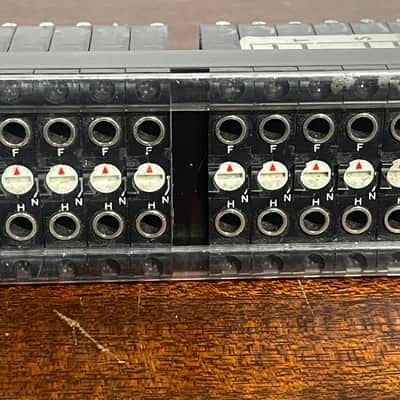
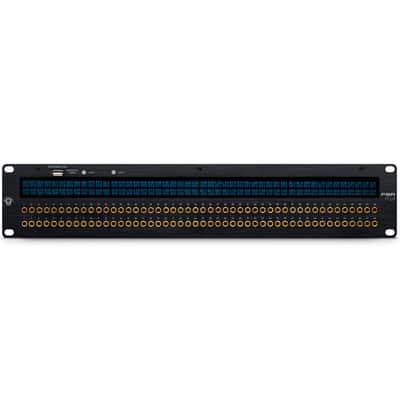
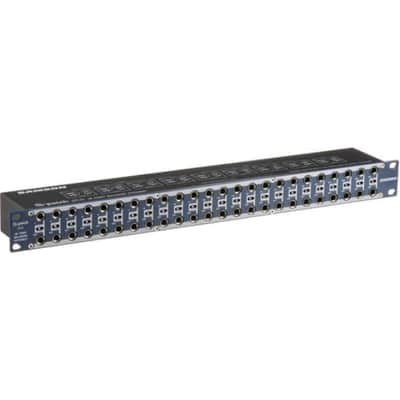
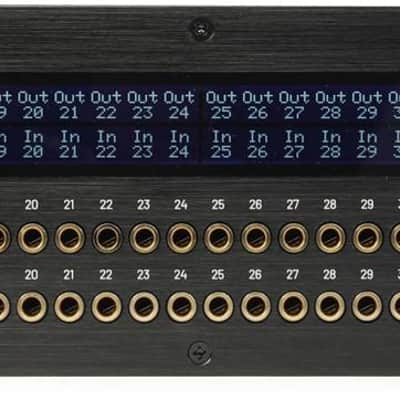
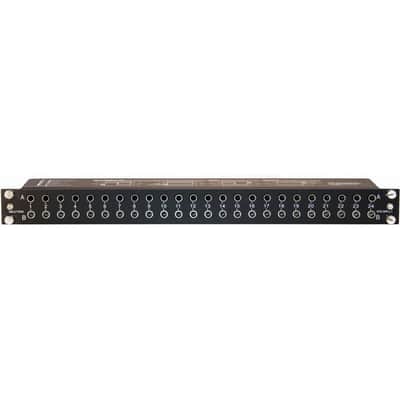
- Connections: The lion's share of today's patchbays operate with tiny telephone (TT) or bantam connections up front and D-25 (or D-sub) connections in the back, which can take XLR or 1/4" jacks. Keep this in mind when you're taking mental inventory of your gear.
- Balanced/Unbalanced: Even if you're only working with unbalanced gear, a balanced patchbay isn't a bad option to consider. You never know what you might grab in the future, and if that next buy happens to be balanced, you'll have a patchbay to handle it.
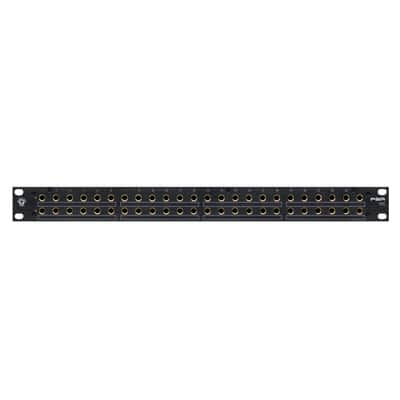
- Design: Speaking in broad terms, patchbays typically come in a configuration of 24 channels, each with an input/output connection (or "point"), totaling 48 points. The whole point (no pun intended) is to streamline your workflow, so they're conceived with signal flow as priority: outputs on top, inputs on the bottom.
Patchbays Near Me
To exclusively browse for patchbays near you, reference the list of top cities and countries available on Reverb to search within a desired location. You also can review shipping details within an item’s “Shop Policies” section.