2010 Schertler Unico combo

Our users rate Reverb
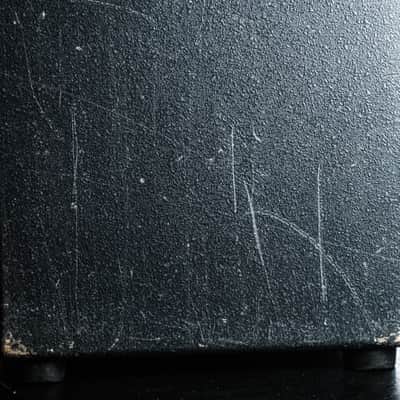
Very Good condition, 7,5/10, Made in Switzerland, price brand new was about 1100GBP (15200SEK), 3 channels, 150 plus 35 W RMS, more info:
Schertler Unico Portable Acoustic AmplifierSchertler's Unico portable acoustic amplifier is something of a stand-alone PA in disguise. Think of high-end acoustic guitar amps and you might not think of Schertler, but though they may be better known for their acoustic instrument transducers, this Swiss company also build some seriously nice amplifiers.
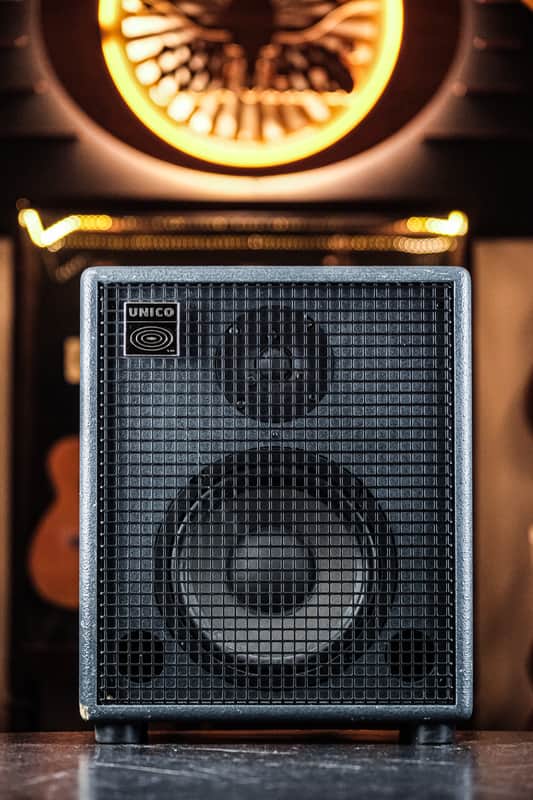
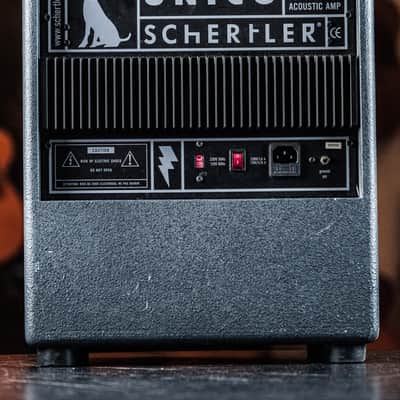
Schertler Unico ClassicFirst introduced in 2003, Schertler's Unico Classic acoustic amp was updated in 2010 with a higher power rating and an improved speaker system. Now delivering a total of 200W, the Unico Classic is housed in a compact plywood cabinet that measures 34 x 31 x 43 cm and weighs just 15.4kg. This incarnation of the Unico has the same mixer layout as its predecessors, with three independent channels and a master section. The only effect on board is reverb, which is produced by a real-life spring rather than a digital emulation. Sound is delivered by an eight-inch woofer and a one-inch-dome tweeter. The amp is split in two, with 150W feeding the woofer and 35W powering the dome tweeter. Quoted frequency response is 40Hz to 22kHz, and the operating voltage can be switched between 110V and 230V, which is useful.
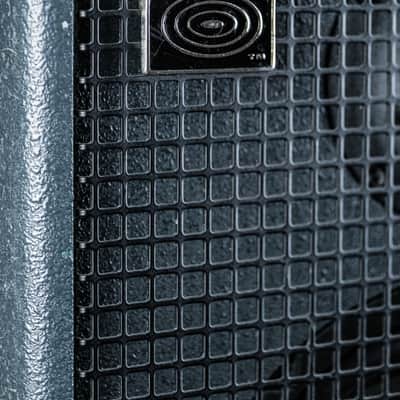
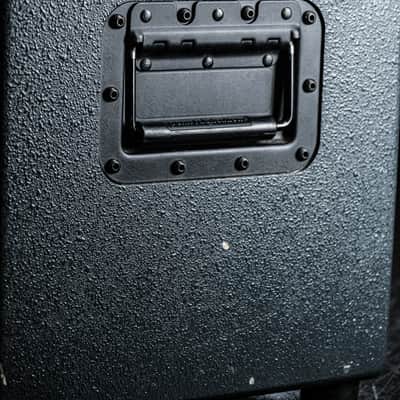
All the edges and corners of the ply enclosure are rounded (although there are no corner protectors), and a tough and textured paint finish has been applied. The cabinet also has a 'top hat' fitted to the base, so it can be mounted on a standard speaker pole when necessary. The metal grille that protects the speakers is now foam-fronted (as opposed to the exposed metal grille of earlier versions), and there's a carrying handle on the top, as opposed to the side-mounted handles of earlier models. A very nice padded carrying bag is also available as an optional extra.
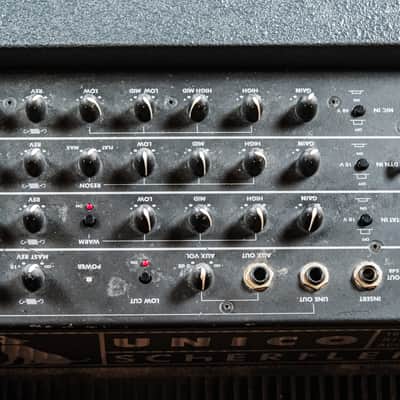
Classic ControlsSafely recessed into the top of the unit is the control panel. It's set out in a similar way to a conventional mixer, except that the channels are labelled Mic, Dyn and Stat. There's plenty of space around the controls, and the conical rubber knobs have a nice feel. Unfortunately, they aren't centre detented, and the legending is rather difficult to read under subdued lighting.
The Mic channel, which has a single XLR input, includes switchable 48V phantom power and controls for gain, high and low shelving equalisation and a pair of mid-range frequency controls, all offering a more than adequate range of cut and boost. The 'Rev' control on all three channels adjusts the amount of spring reverb added to the channel, while the volume knob acts just as the channel fader would on a typical mixer: adjusting the level of the signal sent to the main master channel.
The Dyn channel is designed for Schertler Dyn transducers, but it is versatile: fitted with a Neutrik Combo XLR and jack connector, it can accept a second mic or line-level pickup input if you don't happen to have a Dyn transducer. The control layout is essentially the same as the mic channel, except that there's only one mid-range control, plus a variable-bandwidth notch control fixed at 180Hz, designed to help control acoustic feedback. Phantom power here offers only 10V, as required by Schertler's Dyn active pickup systems.
The Stat channel refers to Schertler's Stat bridge-mount transducers, designed for bowed-string instruments, though it also works with third-party active acoustic pickups. This channel features a three-band EQ with no notch filter, plus a 'warm' button to boost the low end.
The master section has controls for master volume, reverb and 'aux', which adjusts the level sent to a mono jack output, allowing recording of the mix or feeding an active speaker. A TRS insert jack is provided for adding master effects or connecting Schertler's volume pedal, alongside a line-out jack and balanced XLR DI output. A low-cut switch allows integration with an active subwoofer, though the cutoff frequency of 150Hz is somewhat high for general use. DI and line outputs are not affected by the low-cut switch.
On the RoadIn practical use, the Unico delivers a very natural sound. A small Mackie powered monitor used with the DI output helped reinforce the amp and provide extra spread. With minimal EQ tweaking, the Takamine guitar and vocals sounded true and clean. Plenty of volume is available, with the audio feedback threshold reached before the amp shows any sign of overloading. The spring reverb provides the expected coloration of a real spring.
ConclusionAt its heart, the Unico is a simple amplifier designed to deliver a clean, accurate sound with exactly the necessary controls and no frills. Both the guitarist and reviewer were impressed with the volume and clarity achievable with minimal EQ adjustment. As a clean and natural acoustic instrument amp, as well as a main source of amplification for small acoustic gigs, the Schertler Unico stands comparison with anything currently on the market. It gets an unequivocal thumbs-up for sound quality and portability.
AlternativesMost of the major guitar-amp manufacturers now make acoustic amps, but Schertler's closest competitors in this market sector are AER and Fishman.
| Listed | 7 months ago |
|---|---|
| Condition | Very Good (Used) Very Good items may show a few slight marks or scratches but are fully functional and in overall great shape.Learn more |
| Brand | |
| Model |
|
| Categories | |
| Year |
|
| Made In |
|
Product safety information may be available here.

