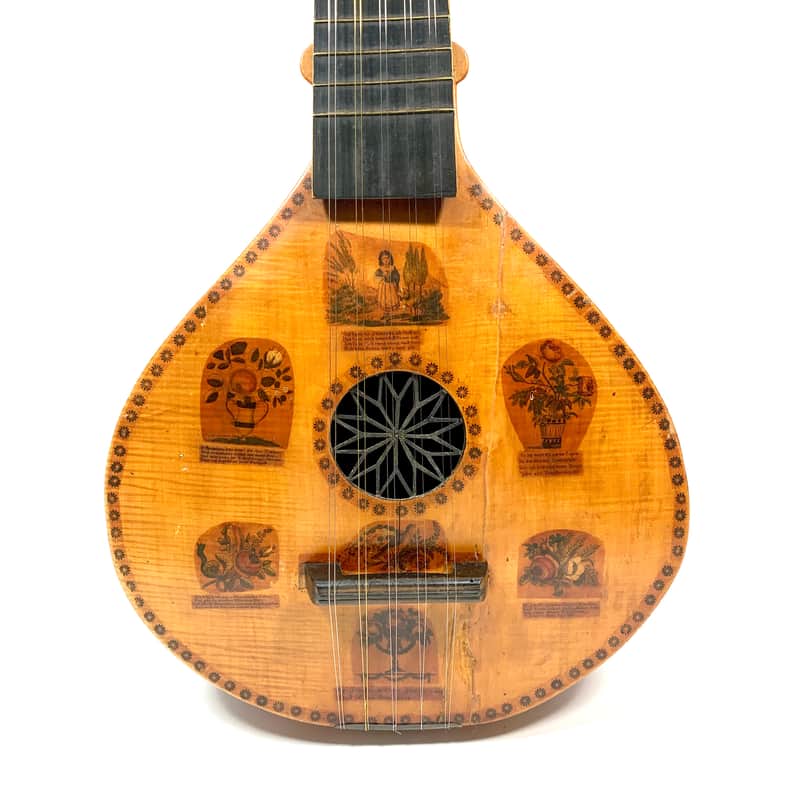
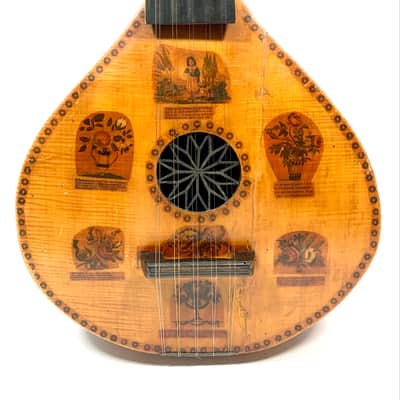
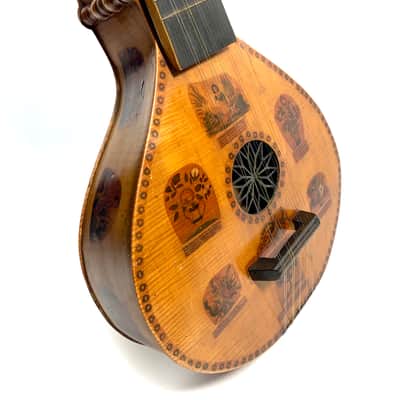
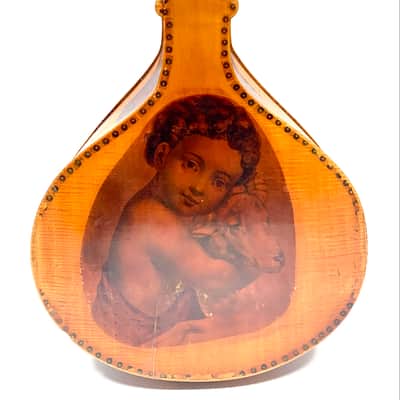
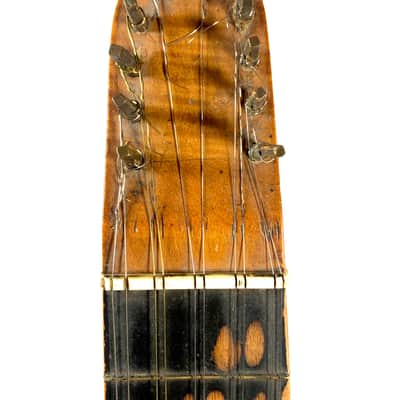
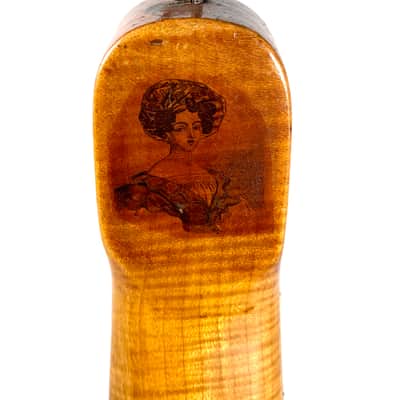
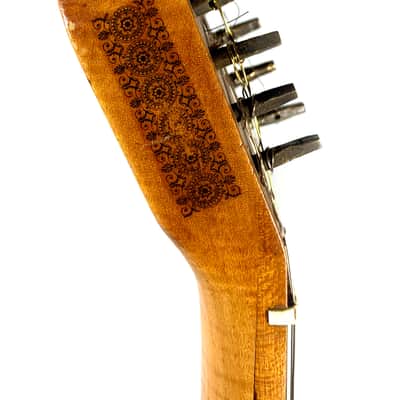
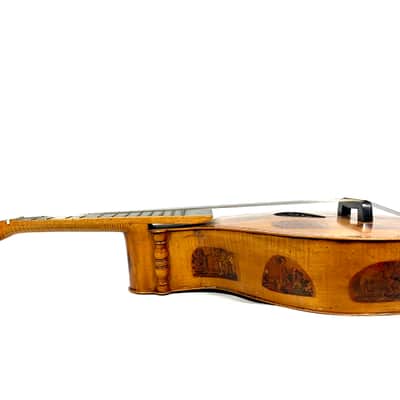
Entlenbuch Swiss Halszither 1850's


14-Day Return Policy
Enjoy peace of mind with your new gear
Our users rate Reverb
In the 17th and 18th centuries, the cistre was particularly popular in bourgeois and folklore circles, especially in Germany.
The construction of "Zistern", as cistres are now called in German, was no longer the exclusive preserve of instrument makers organized into guilds. As early as the 18th century, carpenters in rural areas began building the new, simplified form.
Moreover, in pietistic circles in the 18th century, the cistre was often used to accompany spiritual songs. The Herrnhuter Brüdergemeine, a Moravian community established in Saxony in 1722, rapidly spread throughout the German-speaking world, as well as to England and, from 1732 onwards, around the world, sending out missionaries with their instruments.
Thus, as the cistre spread beyond Germany's borders, it underwent modifications and specifications specific to countries and regions other than Germany, such as the theorbo cistre, which was widely found in northern France, and the Swiss cistre.
In Switzerland, three local variants of the cistre appeared in the 19th century: the Emmental, Toggenburg and Entlebuch cistres.
Entlebuch cistres, always anonymous, can be identified by their workmanship as the products of a handful of workshops and were of regional importance.
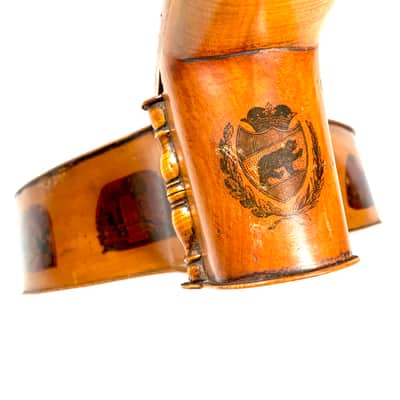
Made in the Entlebuch valley in the canton of Lucerne, it is also likely that some instruments like this one were made near Bern. Indeed, the cistre on offer here features the coat-of-arms of the Republic of Berne in a decal on the heel.
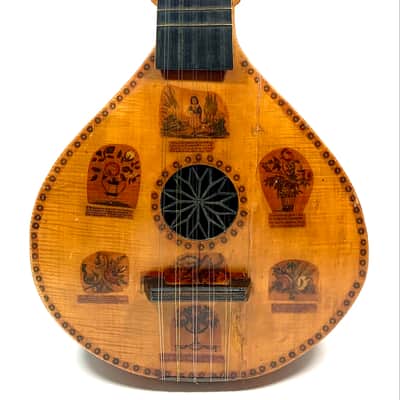
In any case, the particularity of the Entlebuch cistre is easily recognized by its aesthetics.
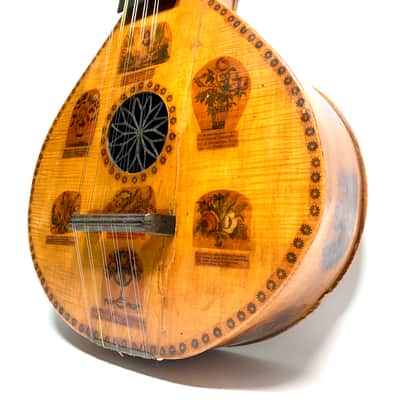
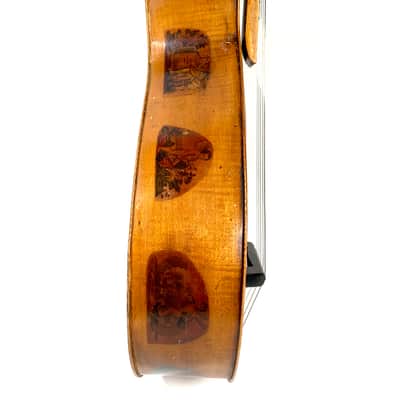
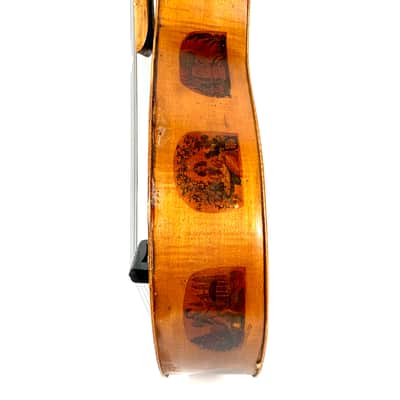
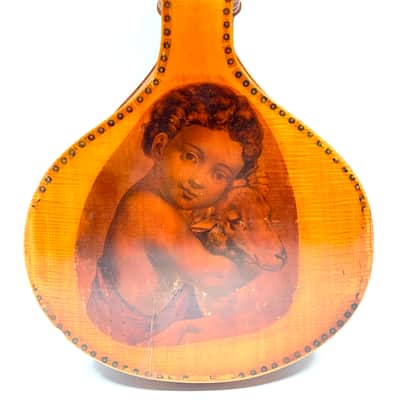
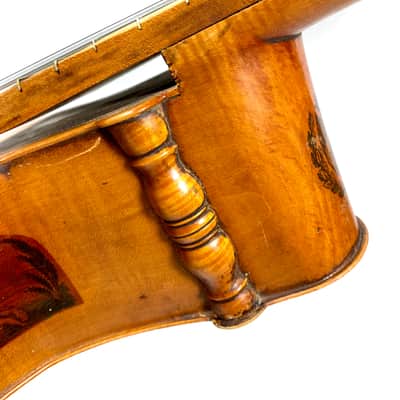
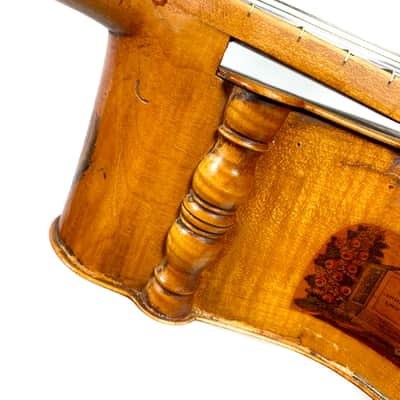
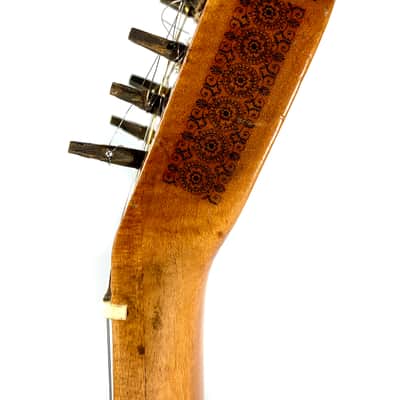
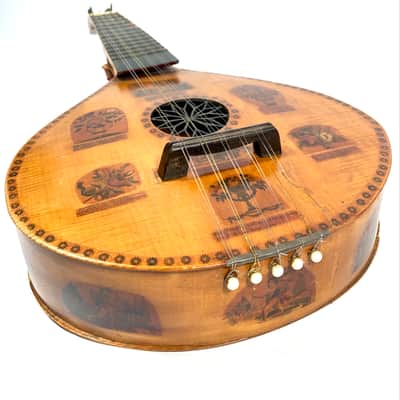
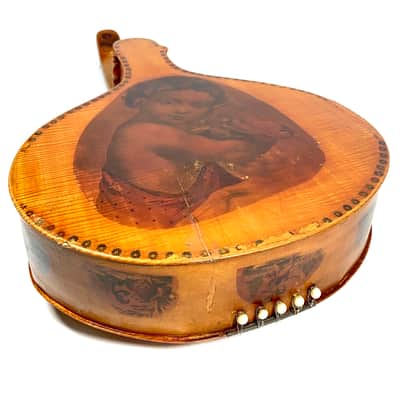
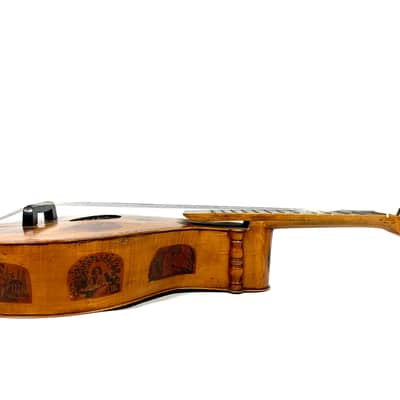
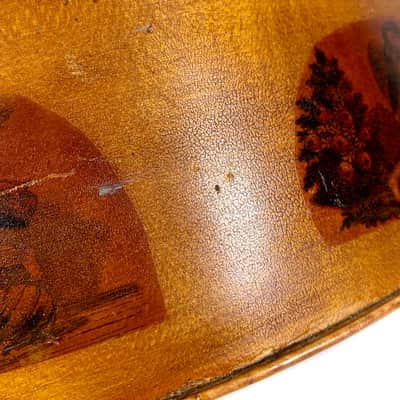
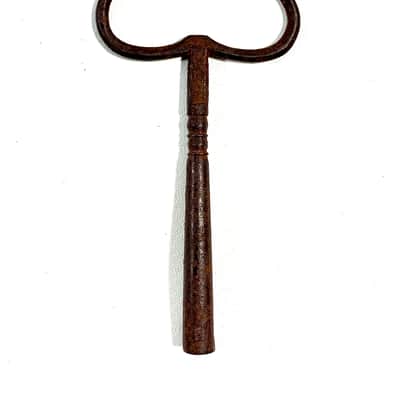
It has a pear-shaped body with wider ends (bridge level). In addition, the head features a special pegbox with metal pegs, tuned with a key, as found on harps or zithers. But one of the most distinctive features is the decal decoration on the top and sides, depicting floral subjects or genre scenes. The back is usually adorned with a full-surface decal depicting a portrait.
It is said that the Entlebuch cistre was an instrument given to young women as gifts of friendship and love, as all sorts of declarations of love are hidden in the decals affixed to these instruments, testimonies all the more interesting from the point of view of folk history.
Technical specifications :
- Top: Maple
- Back: Maple
- Sides: Maple
- Neck: Maple
- Fingerboard : Stained maple
- Saddle width : 48.5 mm
- Radius : Flat
- Frets : 12 frets
- Fork: 464 mm
- Profile: Wide "D
- Country of manufacture : Switzerland
- Year : 1800's
- Finish : Natural
- Decorations : Numerous decals on all parts of the instrument / Columns on heel edge
- Details : Repaired cracks and xylophagous marks treated / An apocryphal tuning key supplied with the cistrum / Extremely rare instrument
Like all our instruments, this cistre has been carefully restored and is presented for sale in its collector's condition.
An extremely rare instrument, since to date only 16 other Entlebuch cistres have been recorded in private and public collections combined.
This is the 17th cistre from the Edentlebuch, also known as Entlebuch Halszither, dating from the mid-19th century, to emerge from history and be presented here for sale, a true museum instrument.
| Listed | 14 days ago |
|---|---|
| Condition | Good (Used) Good condition items function properly but may exhibit some wear and tear.Learn more |
| Brand | |
| Model |
|
| Finish |
|
| Year |
|
| Made In |
|
Product safety information may be available here.

