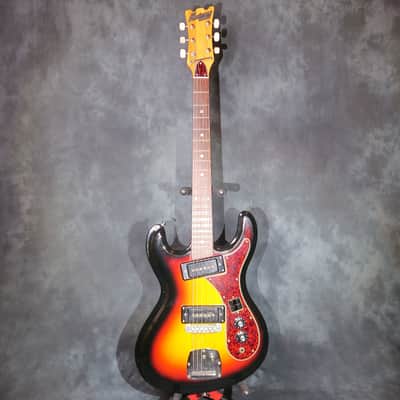
Univox Hi-Flier Phase I / Custom
Comparer 0 annonces
Détails de produit
Galerie
Caractéristiques du produit
| Marque | |||||
|---|---|---|---|---|---|
| Modèle |
| ||||
| Finaliser |
| ||||
| Année |
| ||||
| Fabrication |
| ||||
| Catégories | |||||
| Configuration du micro |
| ||||
| Corps offset |
| ||||
| Couleur principale |
| ||||
| Droitier / Gaucher |
| ||||
| Forme du corps |
| ||||
| Matière de la touche |
| ||||
| Matière du manche |
| ||||
| Motif de finition |
| ||||
| Nombre de cordes |
| ||||
| Nombre de frettes |
| ||||
| Style de finition |
| ||||
| Type de corps |
| ||||
| Type de pontet/cordier |
| ||||
| Tête |
| ||||
Aperçu
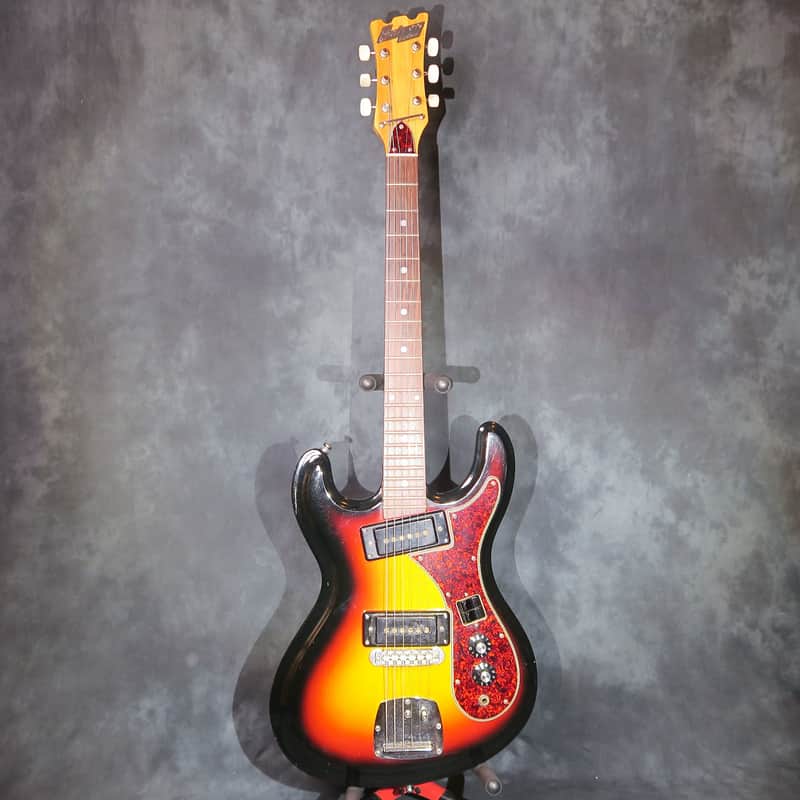
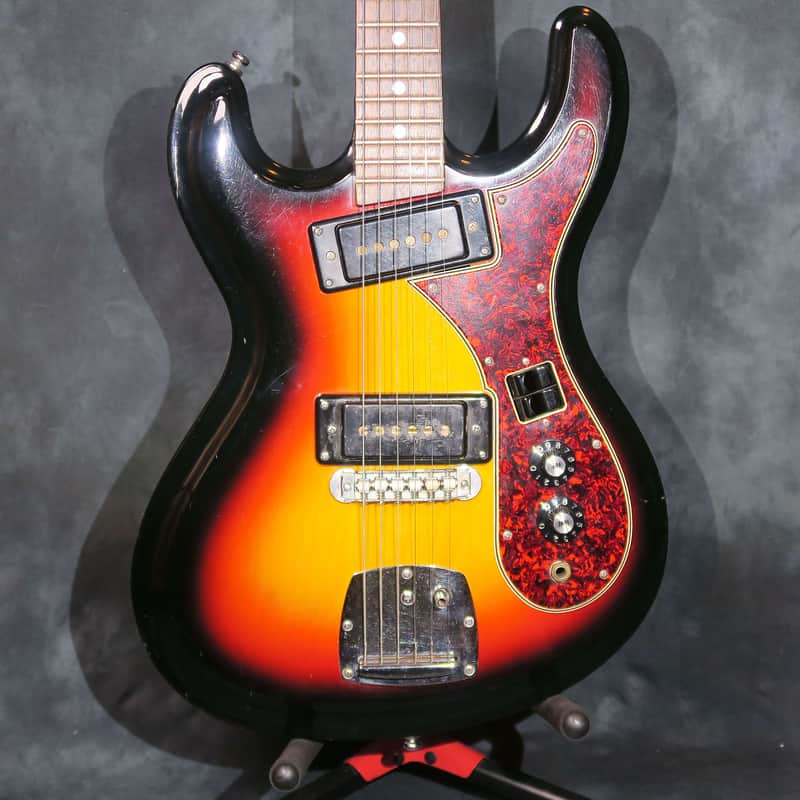
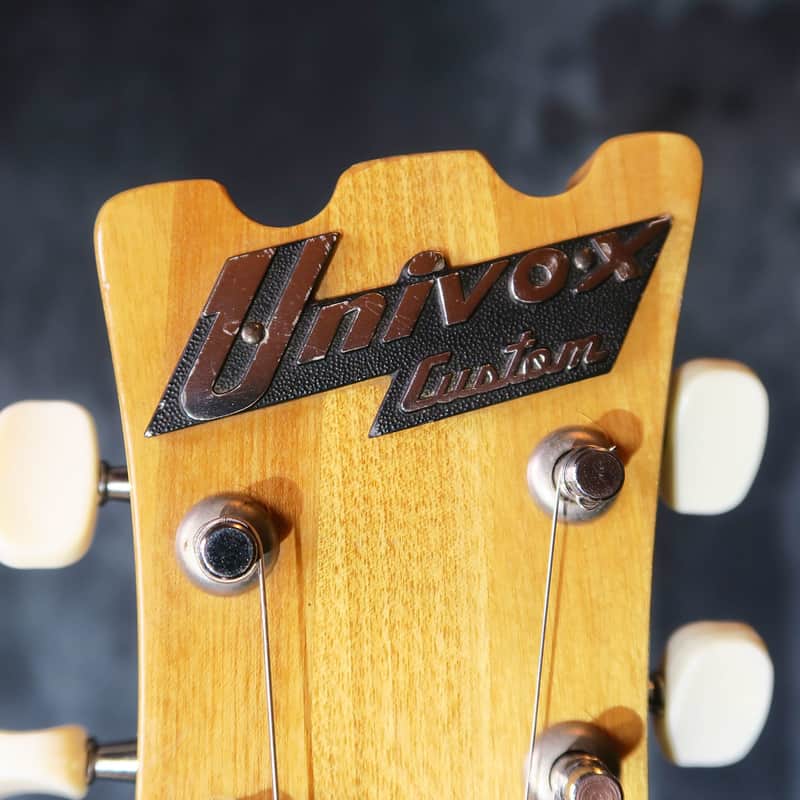
The Hi-Flier debuted in 1967 with a design based on the Mosrite Mark I guitar. The original version of the Hi-Flier featured a slightly thicker body than later iterations, along with a large bar string retainer on the headstock, which covered all six strings. The control system also differed from later models, with the Phase I using rocker switches for pickup selection as opposed to a 3-way toggle on later models. Hi-Flier Customs were introduced late in the model run of the Phase I, and featured the same specs but a red tortoise pickguard instead of the standard white one. Around 1969, the Hi-Flier was updated to the Phase II version, which featured a thinner body and different pickup switching controls.
Guide de Prix Reverb
Valeur estimée de Univox Hi-Flier Phase I / Custom sur Reverb
Inclut le matériau, l'année, la finition
*Les prix ne tiennent pas compte des articles neufs, Stock-B, en assez bon état, en mauvais état ou non fonctionnels. Les prix ne tiennent pas compte des frais d’expédition et des taxes/TVA/TPS.