
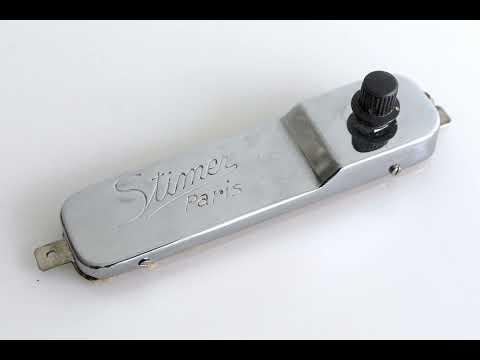
Stimer ST48 (1970s) Original Vintage Pickup || Gypsy Jazz, Manouche, Django, Gipsy Guitar
This seller is currently away
See similar gear from other Reverb sellers

Our users rate Reverb
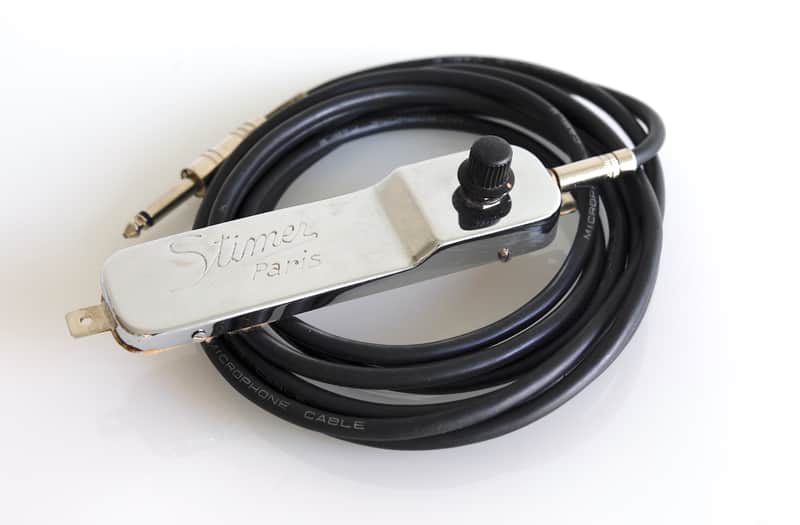
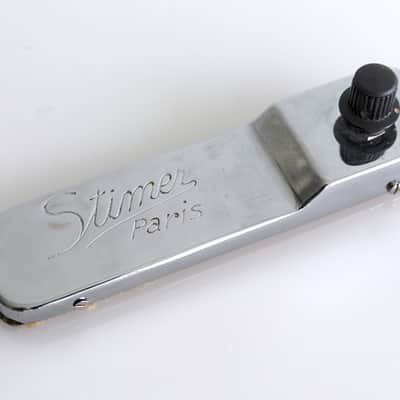
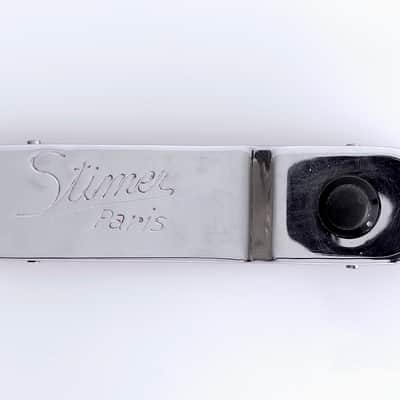
This is a genuine and rare vintage Stimer ST48 pickup, dating from the 1970s, from the same brand Django Reinhardt used for his amplified recordings. A rare opportunity to get extremely close to that late Django electric character, the bright, direct, microphone-like attack you hear on recordings such as “Nuit(s) de Saint-Germain-des-Prés.”
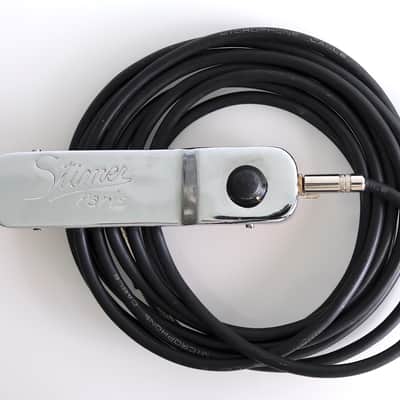
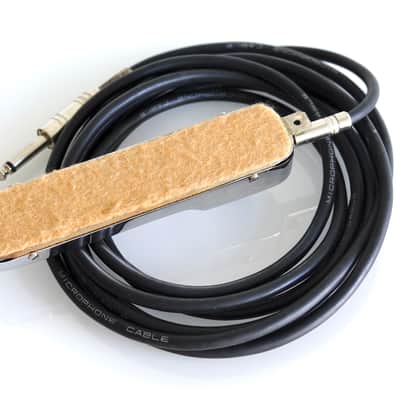
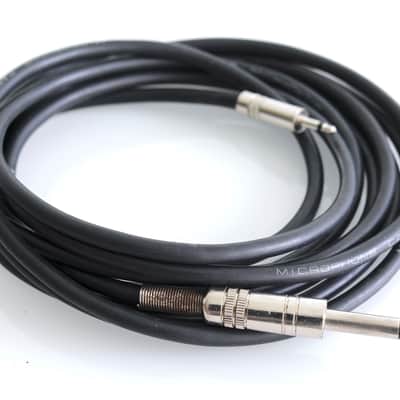
It's in wonderful condition: the outer shell's polished chrome still shines like a mirror and the pickup is fully operational with output that is absolutely vivid and crystal clear. This ST48 Stimer comes together with its 3m long cable. The protective felt on the back has been updated.
Note: This is an original vintage Stimer and NOT a later re-issue.
Although some great-looking replicas Stimer are definitely out there, ultimately nothing compares to the sound of an actual vintage Stimer. With a wonderful crispy and microphone-like quality, this one truly has THE Django sound.
Background
As guitarists pushed for more volume and a clearer, more controllable sound than microphones and early piezo and contact solutions could deliver, French radio engineer Jean Guen and his brother Yves Guen began experimenting with magnetic pickup technology.
In 1945, Jean opened a small radio workshop at 39 rue d’Alençon in Courbevoie. Early experiments included the P46 and R46 pickup prototypes.
A major turning point came with Django Reinhardt. In 1947, after his 1946 US tour, Django asked Yves to look into creating a pickup that could give him a more electric voice while still playing his acoustic Selmer-Maccaferri guitar. Django’s request helped shape the direction of Stimer.
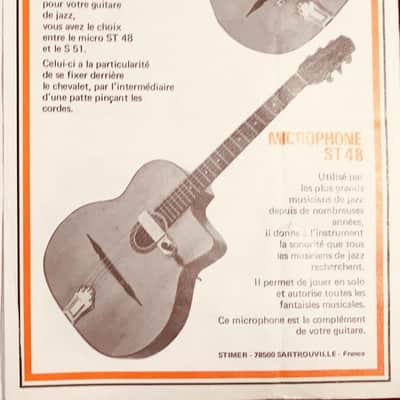
Their collaboration evolved into the first industrial, mass-produced Stimer pickup, the ST48, introduced in 1948. Using a Stimer ST48 paired with a Stimer M12 amplifier, Django became the most influential early ambassador for the Stimer sound, helping popularize the amplified tone heard in his later recordings.
In 1951, Stimer introduced a no-drill alternative for guitarists who wanted amplification without modifying their instrument, the S51. It refined the concept into the iconic “monkey on a stick” rod system: a clamp anchors behind the bridge while a sliding rod suspends the pickup above the top. This also allows positioning between neck and bridge to shape response and harmonics. The design is compatible with most archtops and Selmer-style acoustic guitars.
In 1958, the Guen brothers ended their collaboration. Jean pursued other projects in French electronics and musical gear under Garen and Shade, while Yves retained the Stimer business and continued production until his death in 1986 and then continued by his son Christian until 1996. Pickups produced after the brother's split can be recognized by the “Yves Guen” trademark added in small print to the Stimer hardware.
Decades later, the Stimer sound continues to inspire builders and players. Modern reissues and faithful replicas remain a staple in gypsy jazz for that bright, direct attack and unmistakable “Django-era” color, with its unique and vibrant tone.
In 2014, Christian resumed production, now under his father's name Yves Guen. The Stimer name is no longer mentioned on his pickups, since the Stimer trademark is currently registered by another company.
| Listed | a month ago |
|---|---|
| Condition | Excellent (Used) Excellent items are almost entirely free from blemishes and other visual defects and have been played or used with the utmost care.Learn more |
| Brand | |
| Model |
|
| Finish |
|
| Year |
|
| Made In |
|
Product safety information may be available here.