Musima Classical - 1970’s Made in Germany! - Beautiful Guitar with Amazing History! -
This gear has sold
See similar gear from other Reverb sellers
Listed:5 years ago
Views:151
Saves:1
Offers:0

San Diego, CA, United States
Our users rate Reverb
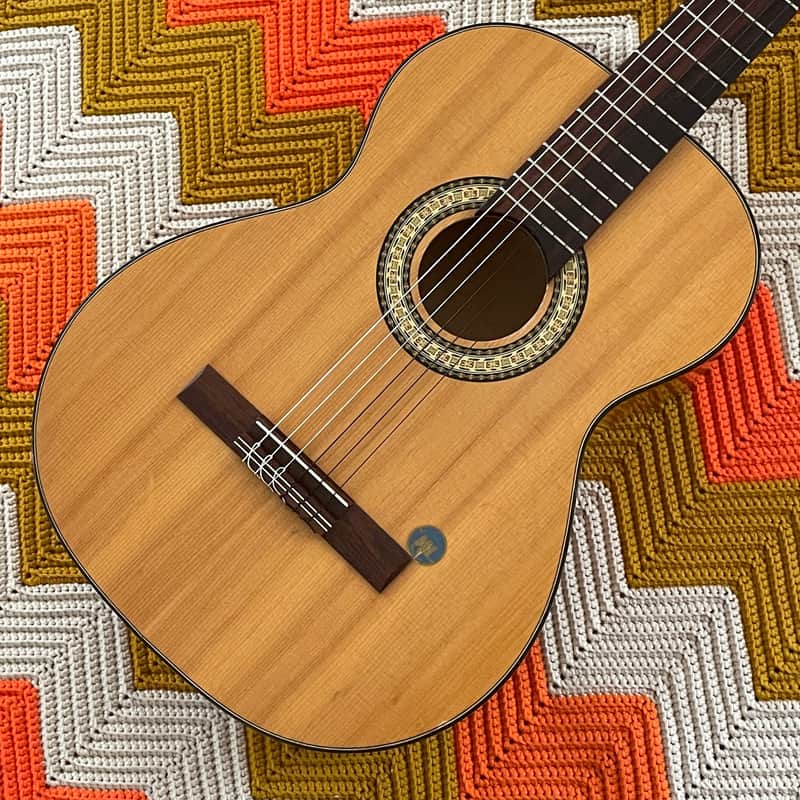
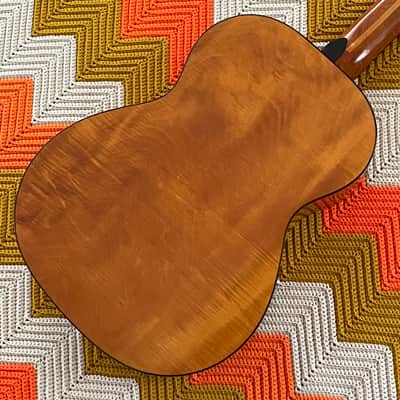
Damn! Sometimes a guitar can be like getting in a time machine, it can take you into both when and where it was made it was made as you play it. First and foremost this guitar is an absolutely killer instrument, and it's also a reflection of the time and place where it was made that is in pretty stark contrast to the world that we know today.
Musima guitars were made in Markneukirchen, Germany. Markneukirchen has a history of instrument making that goes back 400 years, there’s big forests of beautiful spruce trees there that are perfect for making instruments. If you’ve ever heard of a guitar being made with German spruce, that spruce came from those forests. Christian Frederick Martin who started Martin in Pennsylvania was a German immigrant from Markneukirchen, he was originally an instrument maker that trained in that city. Originally, Markneukirchen was more like the Cities of Paracho, Mexico, or Seville, Spain, where there were rows of independent instrument makers lining the storefronts of the streets. Under the Soviet occupation and the East German government, those independent makers were consolidated into one workforce and were producing the same guitars. Musima was one of the brands that came out of that world. I've long held the feeling that a guitar is a reflection of it's maker like how a dog resembles it's owner, and the cold war guitars made behind the iron curtain have completely their own energy from all the other guitars there are. They can be more than a little standoffish at first and tough to get a laugh out of, but once you get to know them they can be the best friends you ever had.
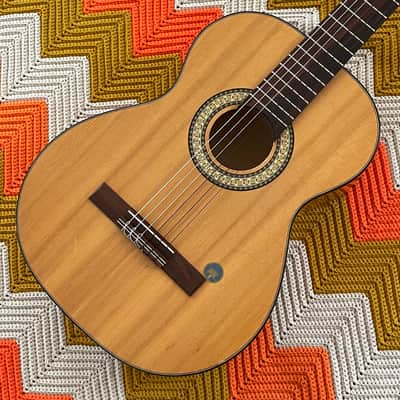
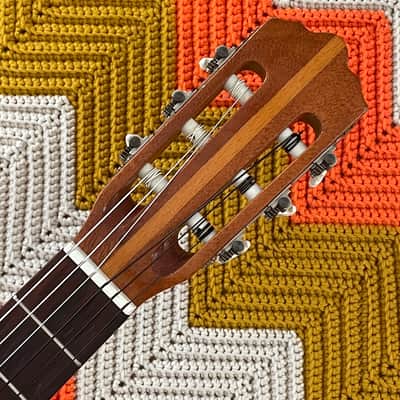
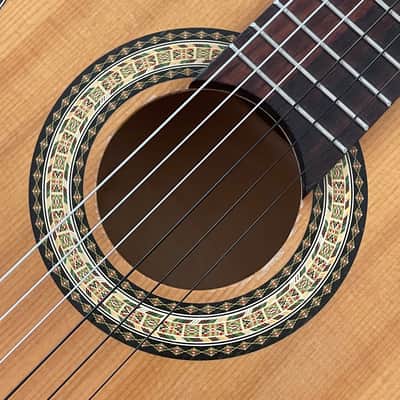
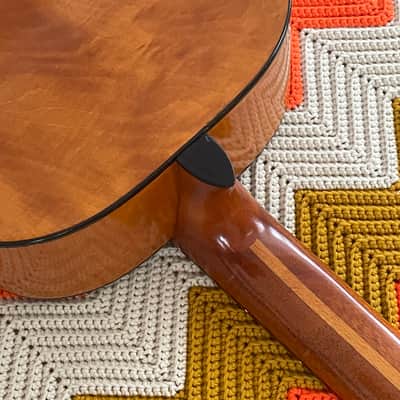
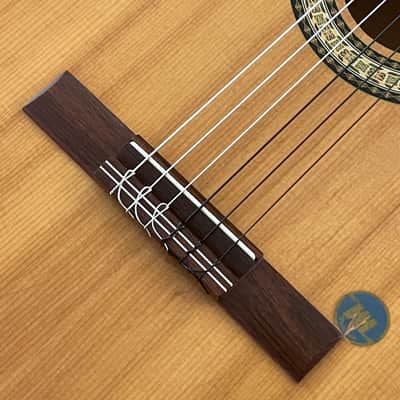
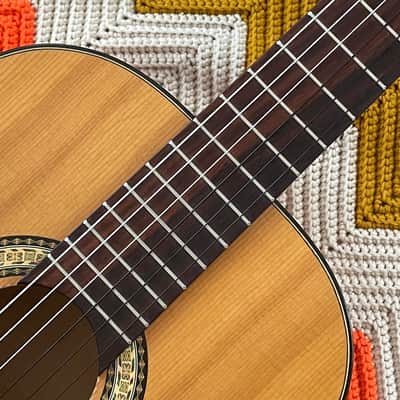
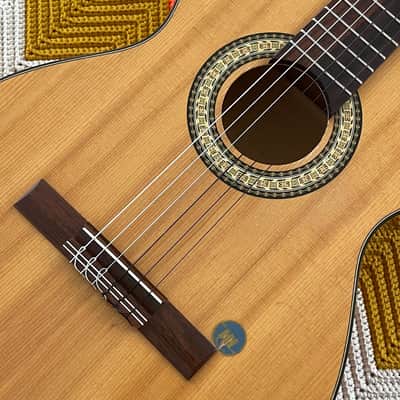
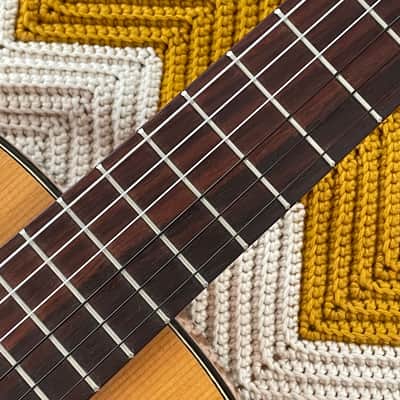
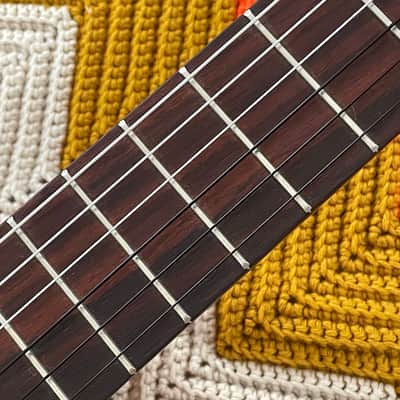
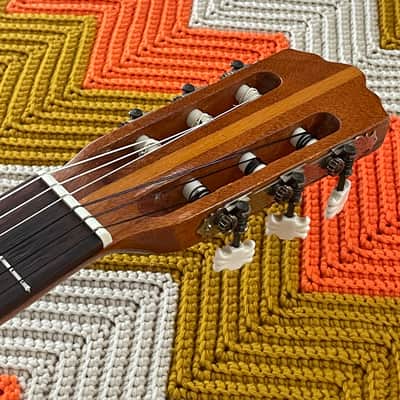
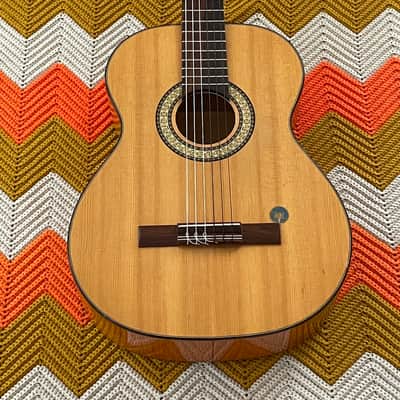
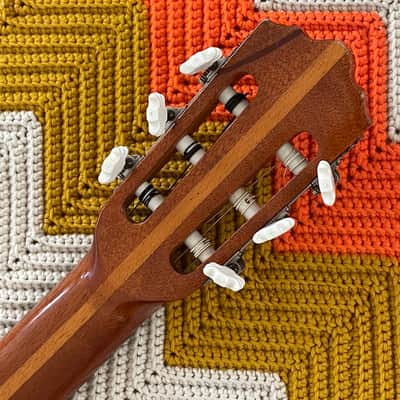
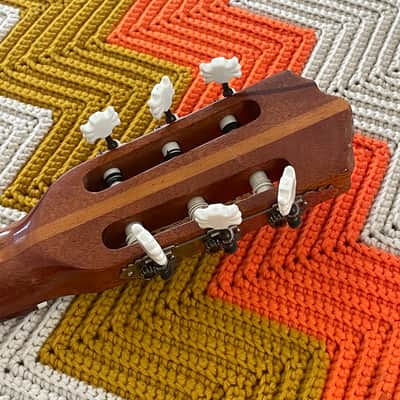
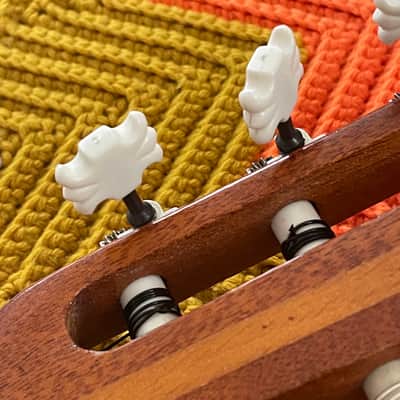
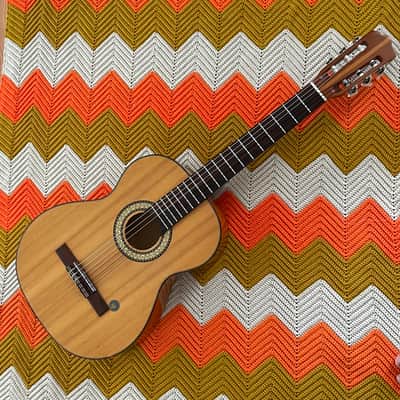
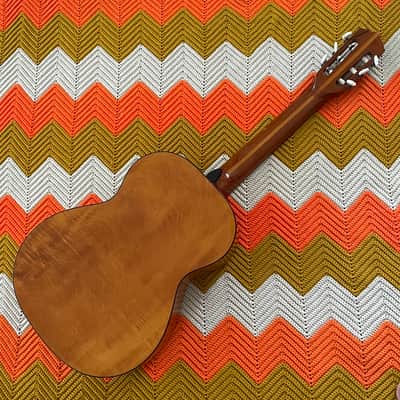
As an instrument, this thing totally rips, I absolutely love it. Super low action with really nice and vibrant string response, it plays like a dream. Beautiful woods all the way around, that top is definitely one of those German spruce pieces I mentioned before. I'm not totally sure on the back and sides or the neck, some of the woods they used were some deep cuts in the wood world. I did hear that they used Pear wood (like literally from a pear tree) for the fingerboards that were then stained to look like rosewood, and this very well may be one of those. It looks awesome, super beautiful and rich. The tuners are kind of a classic tuner shape, but if you look closely even the texture of the buttons is so different from what you see on most other guitars. It's a beautiful guitar that's trying to be modest, it's from a time and a place where you weren't supposed to show more wealth or happiness than anyone else, but it can't help itself by showing off just as much as it can get away with. That rosette pattern is particularly beautiful! Super cool eastern European colors and patterns in there.
I love guitars like this where it's such a cool time capsule of a time and place that straight up doesn't exist anymore. I think they really let you walk a mile in the shoes of someone from a completely different world than the one you live in which is a pretty cool experience. Great instrument with a ton of history!
Musima guitars were made in Markneukirchen, Germany. Markneukirchen has a history of instrument making that goes back 400 years, there’s big forests of beautiful spruce trees there that are perfect for making instruments. If you’ve ever heard of a guitar being made with German spruce, that spruce came from those forests. Christian Frederick Martin who started Martin in Pennsylvania was a German immigrant from Markneukirchen, he was originally an instrument maker that trained in that city. Originally, Markneukirchen was more like the Cities of Paracho, Mexico, or Seville, Spain, where there were rows of independent instrument makers lining the storefronts of the streets. Under the Soviet occupation and the East German government, those independent makers were consolidated into one workforce and were producing the same guitars. Musima was one of the brands that came out of that world. I've long held the feeling that a guitar is a reflection of it's maker like how a dog resembles it's owner, and the cold war guitars made behind the iron curtain have completely their own energy from all the other guitars there are. They can be more than a little standoffish at first and tough to get a laugh out of, but once you get to know them they can be the best friends you ever had.
As an instrument, this thing totally rips, I absolutely love it. Super low action with really nice and vibrant string response, it plays like a dream. Beautiful woods all the way around, that top is definitely one of those German spruce pieces I mentioned before. I'm not totally sure on the back and sides or the neck, some of the woods they used were some deep cuts in the wood world. I did hear that they used Pear wood (like literally from a pear tree) for the fingerboards that were then stained to look like rosewood, and this very well may be one of those. It looks awesome, super beautiful and rich. The tuners are kind of a classic tuner shape, but if you look closely even the texture of the buttons is so different from what you see on most other guitars. It's a beautiful guitar that's trying to be modest, it's from a time and a place where you weren't supposed to show more wealth or happiness than anyone else, but it can't help itself by showing off just as much as it can get away with. That rosette pattern is particularly beautiful! Super cool eastern European colors and patterns in there.
I love guitars like this where it's such a cool time capsule of a time and place that straight up doesn't exist anymore. I think they really let you walk a mile in the shoes of someone from a completely different world than the one you live in which is a pretty cool experience. Great instrument with a ton of history!
| Listed | 5 years ago |
|---|---|
| Condition | Very Good (Used) Very Good items may show a few slight marks or scratches but are fully functional and in overall great shape.Learn more |
| Brand | |
| Model |
|
| Finish |
|
| Categories | |
| Made In |
|
| Body Shape |
|
Product safety information may be available here.