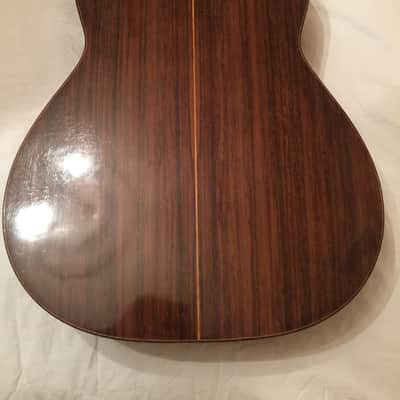
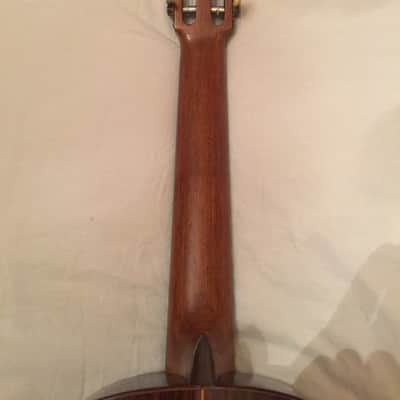

Santos Hernandez Flamenco Guitar 1932 Rosewood
New Pricekr611,768.13
+ Shipping
This listing has ended
See similar gear from other Reverb sellers
Listed:11 years ago
Views:5,309
Saves:10
Offers:7

Woodbury, CT, United States
Our users rate Reverb
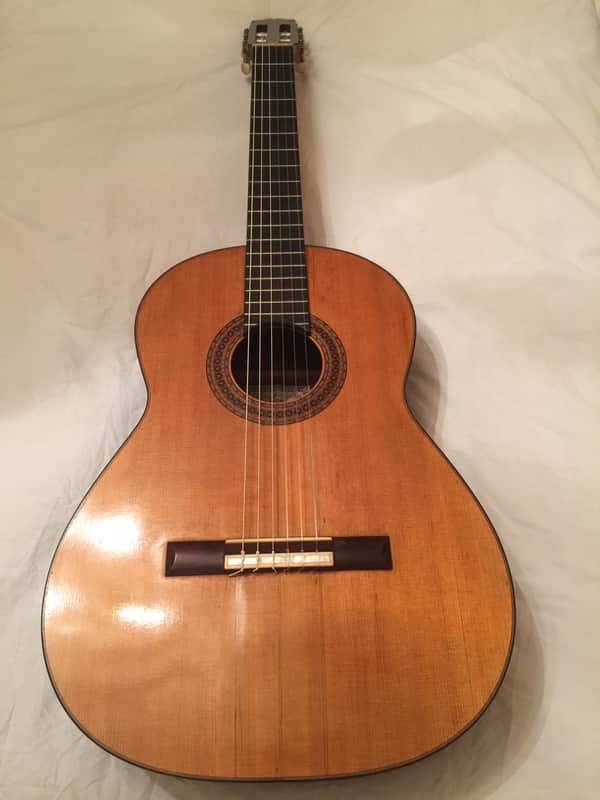
Flamenco guitar from Santos Hernandez 1932
The historical importance of Santos Hernandez for the flamenco guitar is considered of equal importance as Antonio Torres (1817–1892) or as important as Antonio Stradivari for the violists.
Santos Hernandez, born in Madrid in 1873, at the age of 10 started to work for two years as an apprentice making gold wire for ceremonial dresses for the Catholic liturgy. Later he became an apprentice of luthier Valentin Vuides. After a while he worked with Ortega and Gonzalez. In the years 1893-1898, he served as an artillery man in the Spanish army. Upon completion of his military service in 1890s, he went to work the great luthier Ramirez for the next 23 years. During this period he learned all the secrets of fine artisan guitar making. In 1912, Santos Hernández earned his historical recognition when Ramirez gave a guitar built by Santos in the Ramirez workshop, to a young talented guitarist Andres Segovia who played this Santos guitar for the next 25 years. In 1922, in agreement with Segovia, Santos added the words ‘Reparada por Santos Hernandez and his own label to the Segovia guitar. In the mid 1920s the relationship of Santos with Segovia became a bit difficult when Segovia showed Santos Hernandez his new guitar, made for Segovia in Switzerland appearing to be an exact copy of the Santos guitar given to Segovia in 1912 by Ramirez. Al this happened at same moment when Santos was making a new guitar for Segovia and Santos was a bit insulted since Segovia showed little interest in the new Santos guitar he was making for Segovia. As a result Santos decided to keep this guitar for himself and named her ‘la inédita or ‘the unpublished’. It was only in the late 1970s when Santos Hernandez his widow sold this guitar for one million pesetas. When Ramírez died in 1916, as was the custom in these times, both Santos Hernandez and Domingo Esteso kept on making guitars for the widow, bearing the label ‘Viuda de Manuel Ramirez’ with the initials SH or DE in the corner of the label. At the same time Santos Hernandez opened his own workshop, first at plaza de Nicholas Salmeron 8 and later at Calle Aduana 27. Since Santos devoted himself more to making the finest flamenco guitars, his work is of the utmost importance to the history of flamenco guitars. Guitar meastros such as Ramon Montoya, Sabicas, Nino Ricardo or Regino Sanz de la Maza, first performer of the Rodrigo Concierto de Aranjuez, all played and recorded with Santos Hernandez guitars. Santos Hernandez his flamenco guitars were built in the tradition of Antonio Torres. The Santos guitars were designed for a strong attack and power, using the standard combination of spruce top and cypress body and projecting a very charming introspective tone. But Santos added an innovative harmonic downward sloping bar under the soundboard to make the treble sound firmer. At these times, the Santos Hernandez shop became the meeting place for all flamenco guitarist of these day, sometimes called as the Parnassus of the guitar, most likely referring to Raffaello his fresco showing the god Apollo and the muses surrounded by poets from antiquity. So on the one hand Santos enabled the work of Antonio Torres to survive and on the other hand he was the founder of a guitar design still inspiring an enormous amount of many guitar luthiers today. When Santos died in 1943, hid widow asked Marcelo Barbero (1904-1956) to continue the work of Santos, in his turn, making sure that the work of Santos in the postwar period could survive. Later on Barbero employed Arcangel Fernández as his apprentice, ensuring that the work of Santos Hernandez was passed on to subsequent generations of builders.
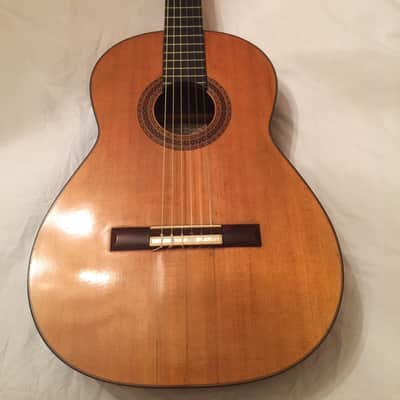
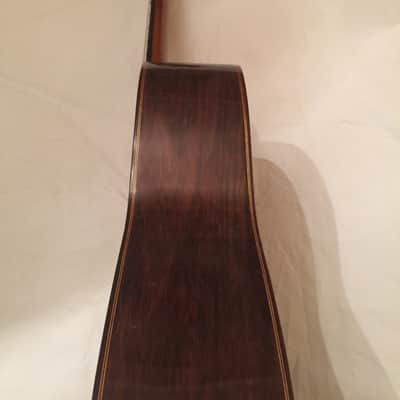
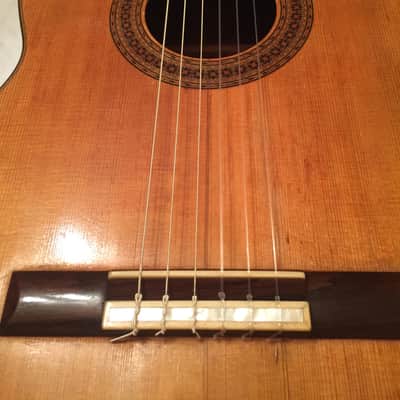
This particular Santos guitar was built in 1932 and is a gorgeous example of Santos work.
This Santos Hernandez is fully playable with low, and easy action. She has an old world sound with rich, deep basses and a very smooth, silky treble. A true Santos Hernandez is extremely hard to find these days, do not miss this opportunity.
Shipping needs to be discussed prior to purchase to determine the best way to move her.
The historical importance of Santos Hernandez for the flamenco guitar is considered of equal importance as Antonio Torres (1817–1892) or as important as Antonio Stradivari for the violists.
Santos Hernandez, born in Madrid in 1873, at the age of 10 started to work for two years as an apprentice making gold wire for ceremonial dresses for the Catholic liturgy. Later he became an apprentice of luthier Valentin Vuides. After a while he worked with Ortega and Gonzalez. In the years 1893-1898, he served as an artillery man in the Spanish army. Upon completion of his military service in 1890s, he went to work the great luthier Ramirez for the next 23 years. During this period he learned all the secrets of fine artisan guitar making. In 1912, Santos Hernández earned his historical recognition when Ramirez gave a guitar built by Santos in the Ramirez workshop, to a young talented guitarist Andres Segovia who played this Santos guitar for the next 25 years. In 1922, in agreement with Segovia, Santos added the words ‘Reparada por Santos Hernandez and his own label to the Segovia guitar. In the mid 1920s the relationship of Santos with Segovia became a bit difficult when Segovia showed Santos Hernandez his new guitar, made for Segovia in Switzerland appearing to be an exact copy of the Santos guitar given to Segovia in 1912 by Ramirez. Al this happened at same moment when Santos was making a new guitar for Segovia and Santos was a bit insulted since Segovia showed little interest in the new Santos guitar he was making for Segovia. As a result Santos decided to keep this guitar for himself and named her ‘la inédita or ‘the unpublished’. It was only in the late 1970s when Santos Hernandez his widow sold this guitar for one million pesetas. When Ramírez died in 1916, as was the custom in these times, both Santos Hernandez and Domingo Esteso kept on making guitars for the widow, bearing the label ‘Viuda de Manuel Ramirez’ with the initials SH or DE in the corner of the label. At the same time Santos Hernandez opened his own workshop, first at plaza de Nicholas Salmeron 8 and later at Calle Aduana 27. Since Santos devoted himself more to making the finest flamenco guitars, his work is of the utmost importance to the history of flamenco guitars. Guitar meastros such as Ramon Montoya, Sabicas, Nino Ricardo or Regino Sanz de la Maza, first performer of the Rodrigo Concierto de Aranjuez, all played and recorded with Santos Hernandez guitars. Santos Hernandez his flamenco guitars were built in the tradition of Antonio Torres. The Santos guitars were designed for a strong attack and power, using the standard combination of spruce top and cypress body and projecting a very charming introspective tone. But Santos added an innovative harmonic downward sloping bar under the soundboard to make the treble sound firmer. At these times, the Santos Hernandez shop became the meeting place for all flamenco guitarist of these day, sometimes called as the Parnassus of the guitar, most likely referring to Raffaello his fresco showing the god Apollo and the muses surrounded by poets from antiquity. So on the one hand Santos enabled the work of Antonio Torres to survive and on the other hand he was the founder of a guitar design still inspiring an enormous amount of many guitar luthiers today. When Santos died in 1943, hid widow asked Marcelo Barbero (1904-1956) to continue the work of Santos, in his turn, making sure that the work of Santos in the postwar period could survive. Later on Barbero employed Arcangel Fernández as his apprentice, ensuring that the work of Santos Hernandez was passed on to subsequent generations of builders.
This particular Santos guitar was built in 1932 and is a gorgeous example of Santos work.
This Santos Hernandez is fully playable with low, and easy action. She has an old world sound with rich, deep basses and a very smooth, silky treble. A true Santos Hernandez is extremely hard to find these days, do not miss this opportunity.
Shipping needs to be discussed prior to purchase to determine the best way to move her.
| Listed | 11 years ago |
|---|---|
| Condition | Mint (Used) Mint items are in essentially new original condition but have been opened or played.Learn more |
| Brand | |
| Model |
|
| Finish |
|
| Year |
|
Product safety information may be available here.