Best Sellers
Top products on Reverb over the past 90 days
Best Sellers in Acoustic Guitars - Parlor
- 16
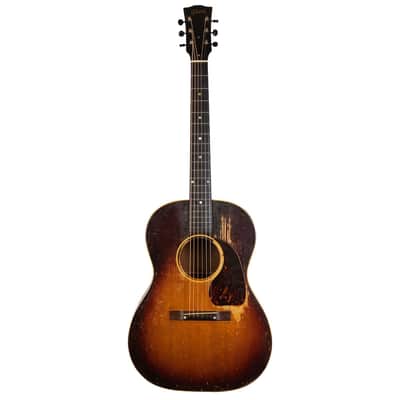
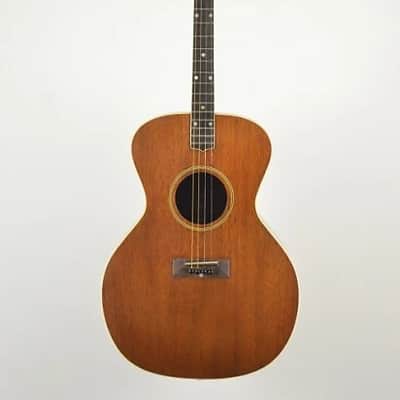
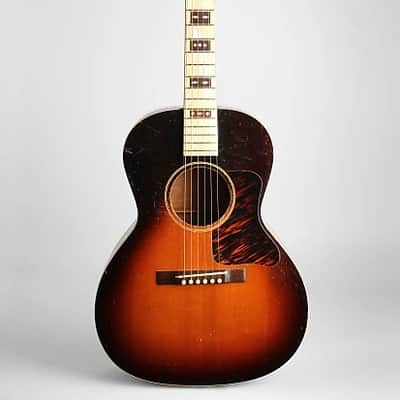
Gibson LG-2 1946 - 1962
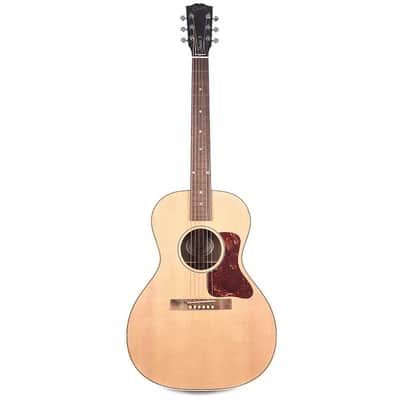
The x-style top bracing of the Gibson LG-2 acoustic guitar lands this instrument squarely in the realm of "coveted" by collectors. In fact, if you happen upon an LG-2 that was made between 1942 and 1946, you'll see the phrase Only a Gibson is Good enough on the headstock, an interesting logo that will make your instrument even more desirable for collectors. - 22
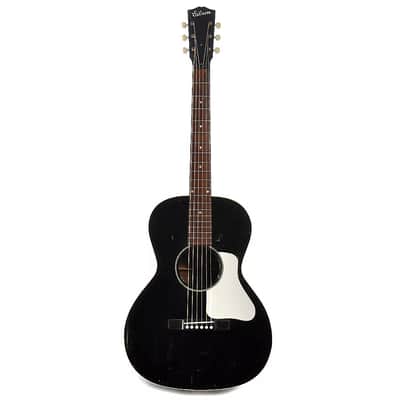
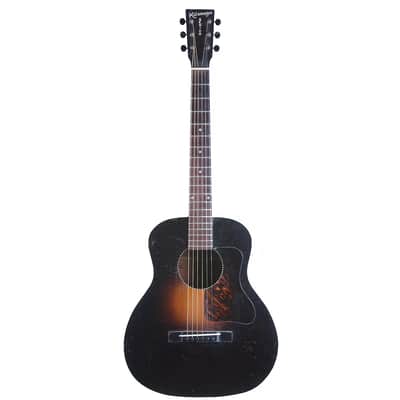
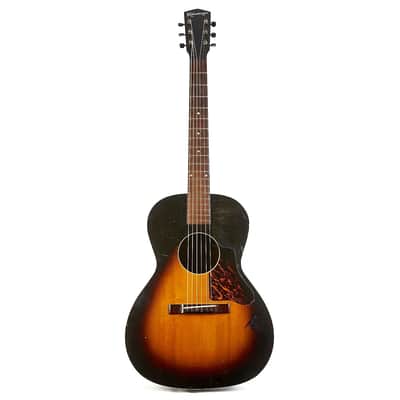
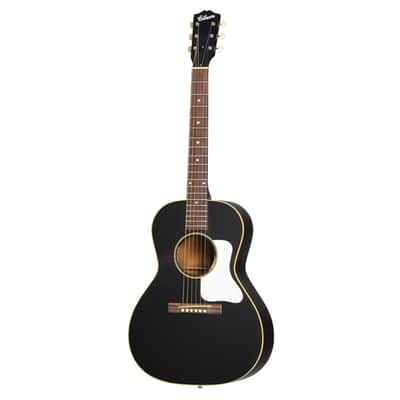
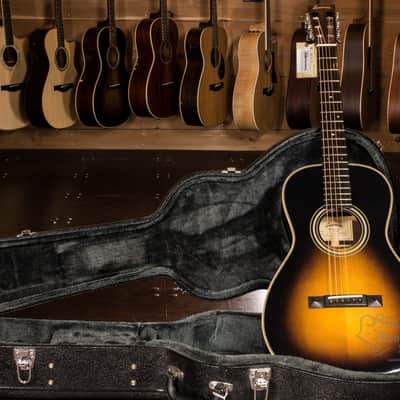
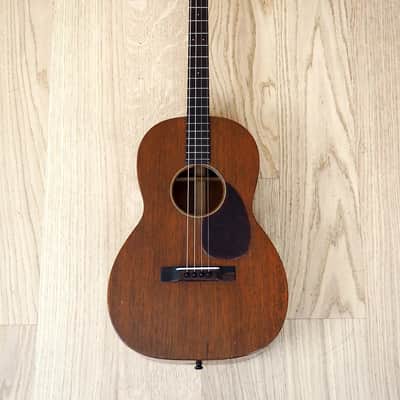
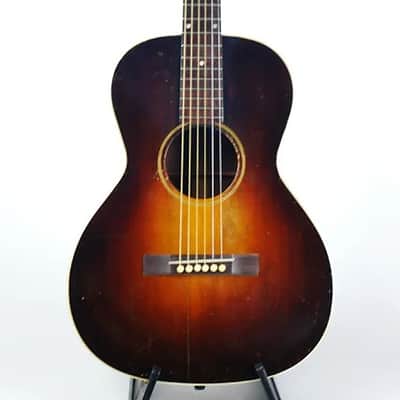
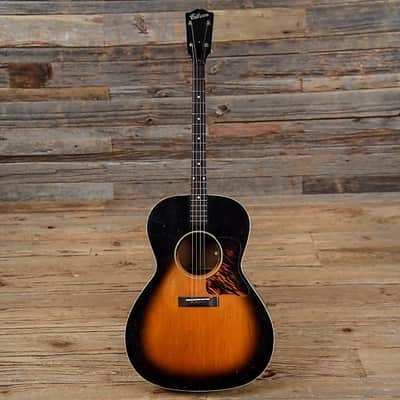
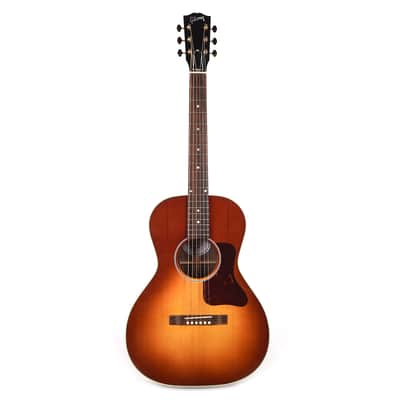
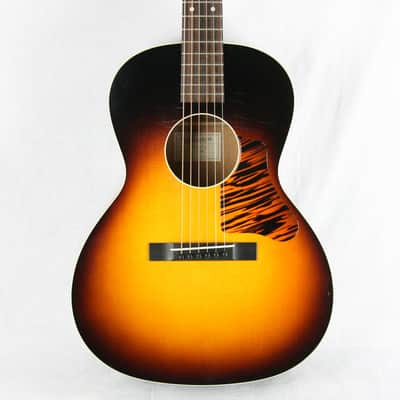
Gibson L-00 1932 - 1945
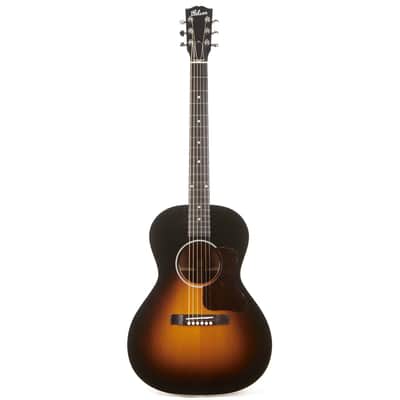
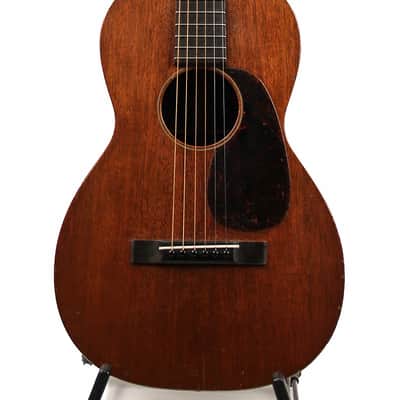
The L-00 was a flattop produced by Gibson starting in the early '30s. Some of the earliest examples featured a white pickguard and a black finish, though a sunburst finish and tortoiseshell pickguard became the norm by the mid-'30s (the black version was phased out by 1938). The earliest examples also had a 12-fret clear of the body fingerboard.
Years of Production: 1931 - 1946
Wood Composition: Mahogany back and sides, Spruce top, Mahogany neck (some examples from World War II use alternate woods) - 25
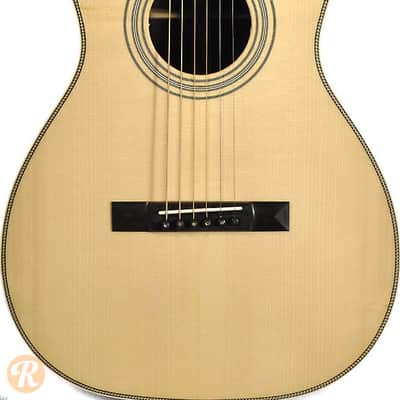
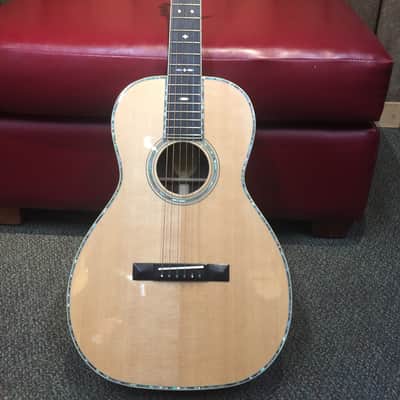
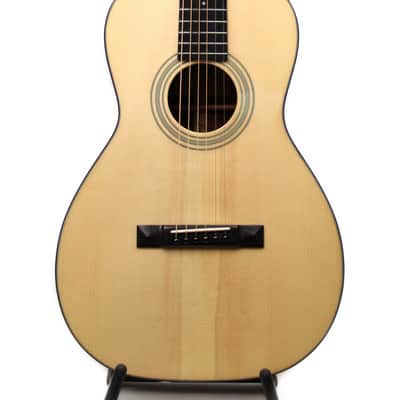
Eastman E20P Parlor Natural
The Eastman E20P is a parlor guitar with an Adironack Spruce top, Rosewood back and sides, and an Ebony fingerboard. - 27
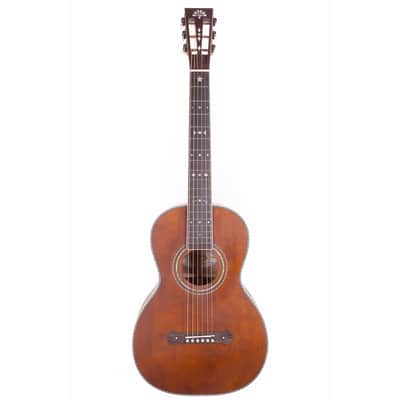
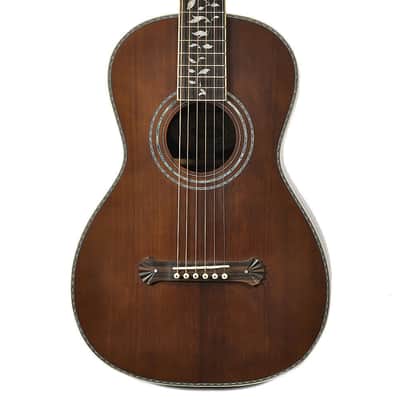
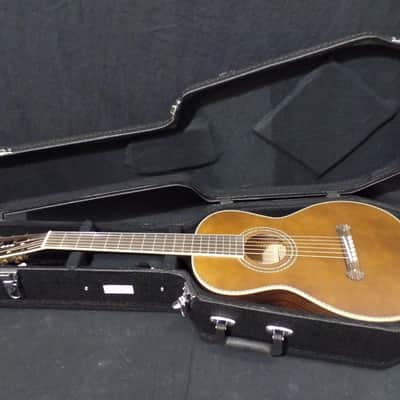
Washburn R314KK Spruce/Trembesi Parlor Guitar Natural
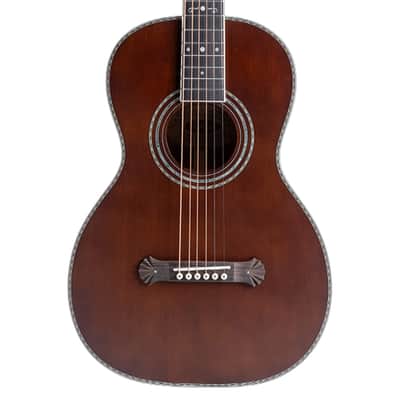
The Washburn R314KK Spruce/Trembesi Parlor Guitar allows you to channel the rustic tone and feel of well-aged instruments from yesteryear in a modern, reliable build. Incorporating trembesi, a tonewood coveted for its natural warmth, on the back and sides with a spruce top, the parlor shape and pre-worn finish immediately call to mind a guitar found in grandpa's attic that still plays and sounds like a dream. Finished with a rope purfling and vintage inlay design, this instrument can become a fast old friend for porch strumming sessions. - 29
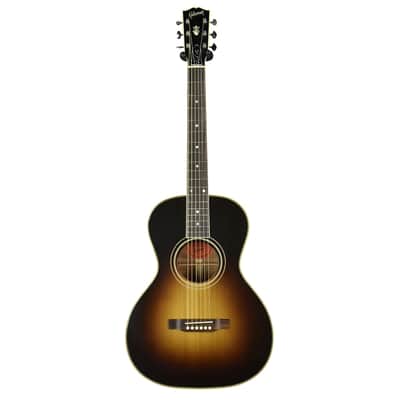
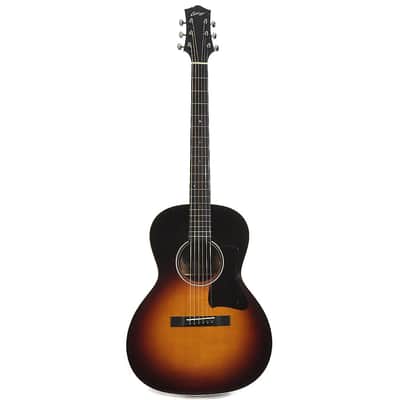
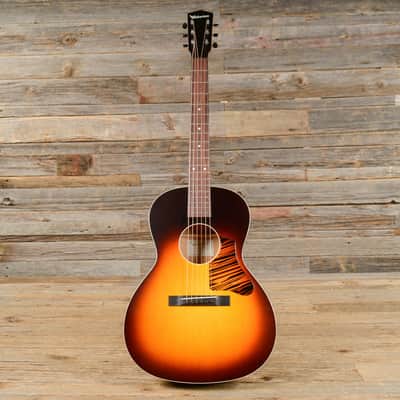
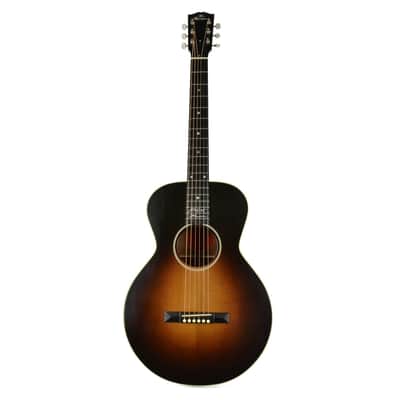
Gibson Keb' Mo' Bluesmaster
This signature Keb' Mo' model is based on the L-series acoustics made famous by blues legends of the '30s.
Years of Production: 2009 - 2016 - 30
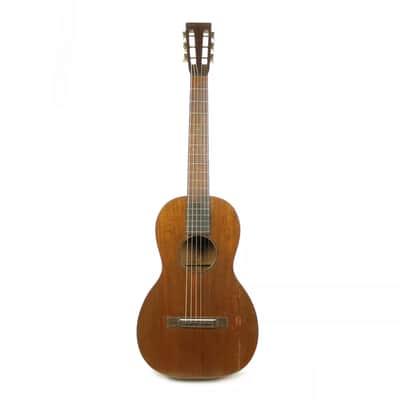
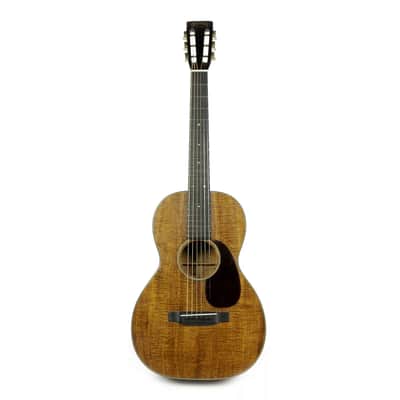
Martin 2-17 Old 1910 - 1930
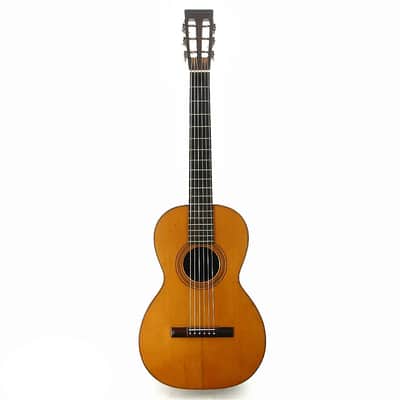
Style 17 Martin guitars used Rosewood for their back and sides, with a fan-braced top. In 1929, the 2-17 design changed with a new finish and binding pattern. These updated 2-17s were referred to as "new style" or in some cases as the #25.
Years of Production: 1922 - 1938
Body Style: Concert/Parlor
Wood Composition: Brazilian Rosewood back and sides, Spruce top, Ebony fingerboard
Design Elements: Square bridge, three-ply back binding, slotted headstock, 12-frets (clear of body), small dot inlays, fan bracing - 52
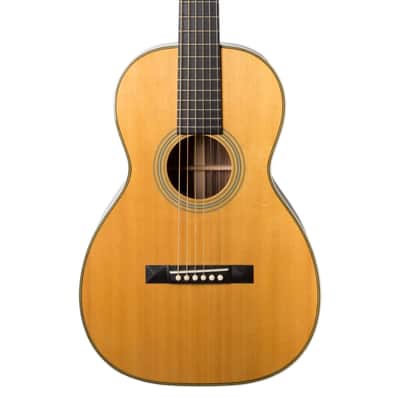
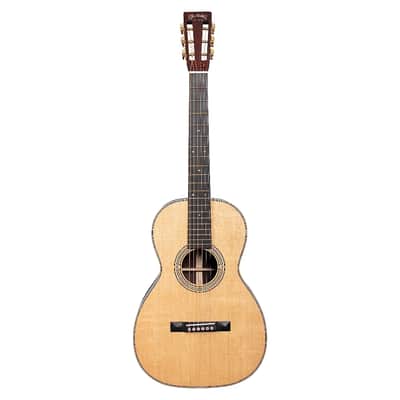
Martin Vintage Series 0-28VS 2009 - 2018
The Martin 0-28VS recreates a pre-war guitar with the smaller "0" type body. It has a sitka spruce top and Indian rosewood back and sides. - 64
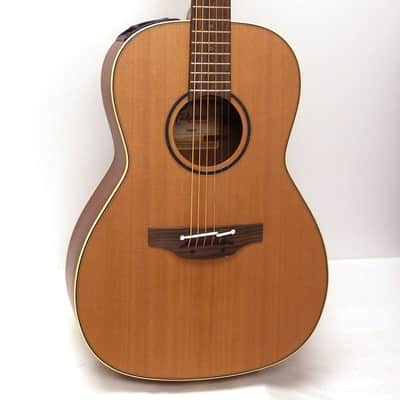
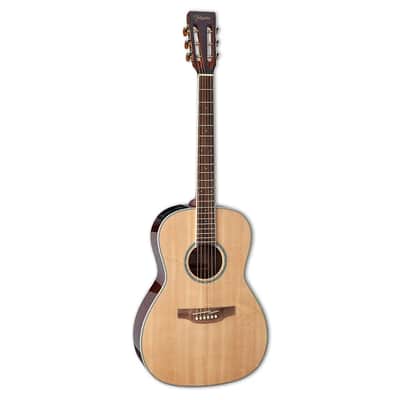
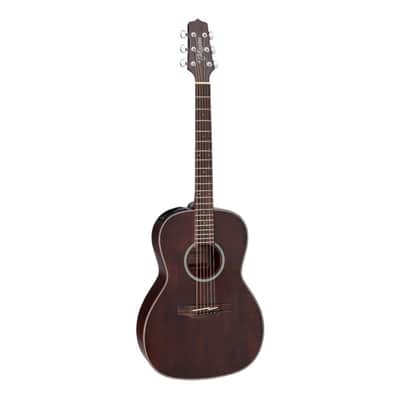
Takamine P3NY New Yorker Acoustic-Electric Parlor Guitar
The Takamine P3NY "New Yorker" acoustic-electric parlor guitar proves once and for all that smaller guitars can produce big, full tones. This understated guitar makes use of premium construction and appointments to give you a warm, full-bodied sound that's perfect for singer-songwriters. The offset saddles and bone bridge make for rock-solid tuning and intonation. The P3NY's cedar top pairs with sapele back and sides for killer projection that defies its size, and the state-of-the-art Takamine CT4B II preamp system translates that sound to your amplifier or PA system with ease when it's time to hit the stage. - 77
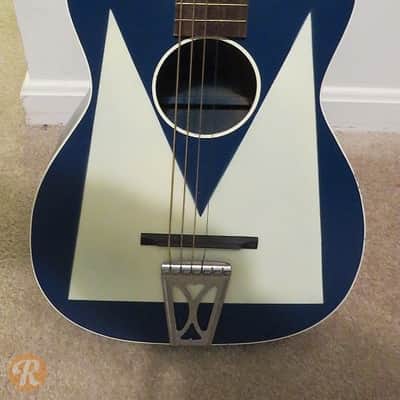
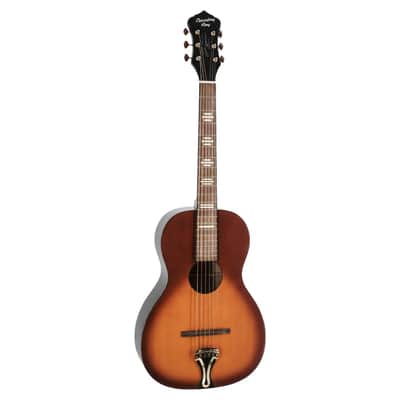
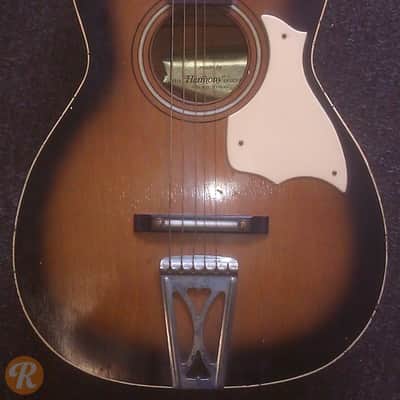
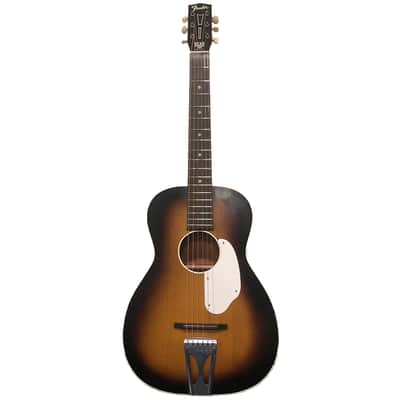
Stella Sundale Blue
This Sundale was one of several guitars with bold colorful designs produced by Harmony (under the Harmony and Stella brand names) in the '50s. Like most Harmony-made acoustics, it has a Birch body.
Years of Production: ca. 1955 - 1958 - 79
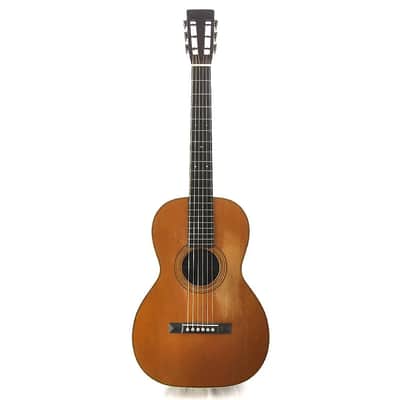
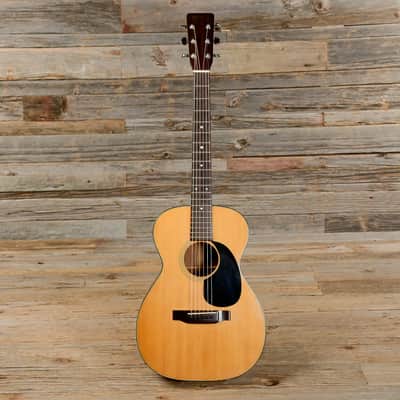
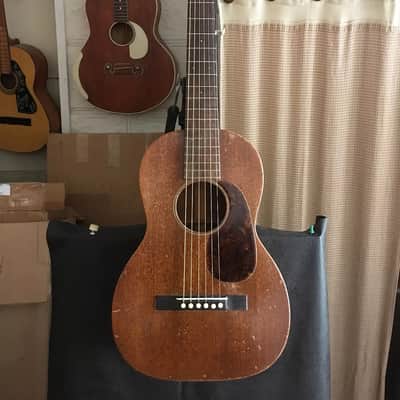
Martin 0-28 1898 - 1937
Unlike many other orchestra and concert-sized Martins, the 0-28 did not make it past the early '30s when Martin updated most of its designs. Like other 28-style guitars, the 0-28 used Brazilian Rosewood for its back and sides. The 0-28 also featured Herringbone binding.
Years of Production: 1870s - 1931
Body Style: Concert
Wood Composition: Brazilian Rosewood back and sides, Spruce top, Ebony fingerboard
Design Elements: Square bridge, three-play back binding, slotted headstock, 12-frets (clear of body) - 81
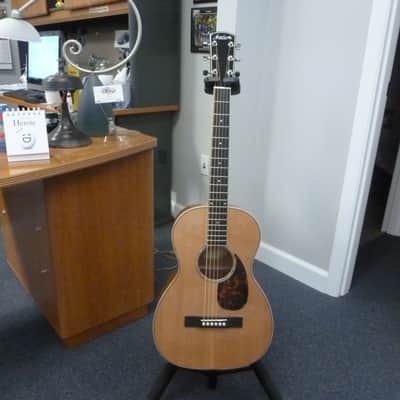
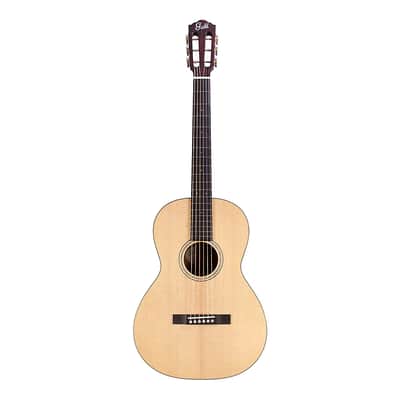
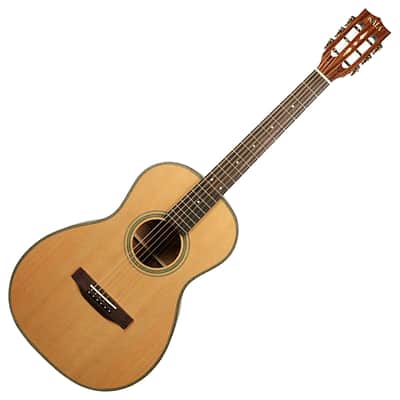
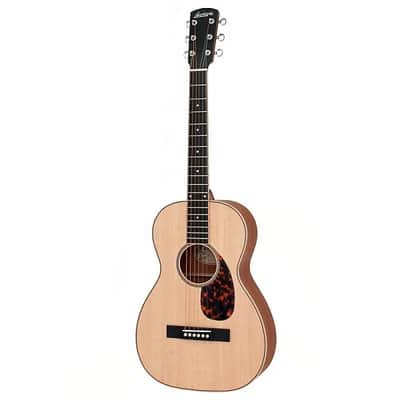
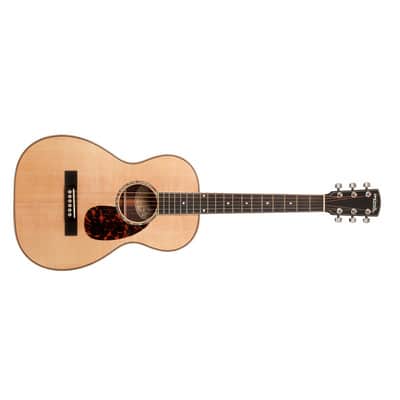
Larrivee P-05 Natural
Made by Canadian guitar maker Larrivee, the P-05 is a parlor guitar with Mahogany back and sides.
Years of Production: 2004 - present - 83
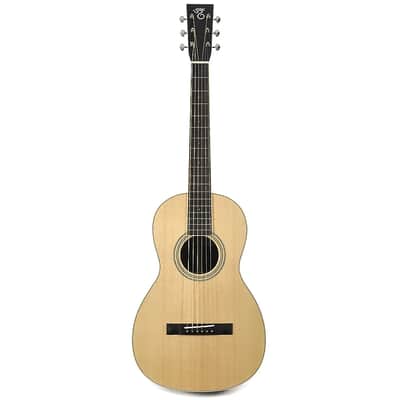
Santa Cruz PJ
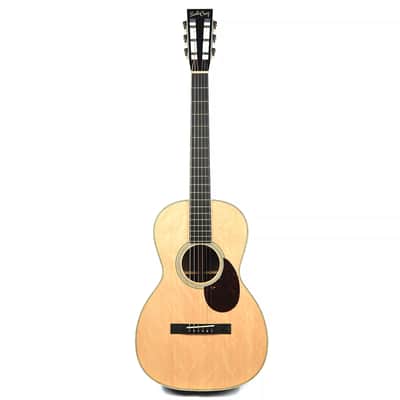
The Santa Cruz PJ is a 24" scale length hand-made parlor guitar with Indian Rosewood back and sides.
Years of Production: ca. 1990 - present - 97
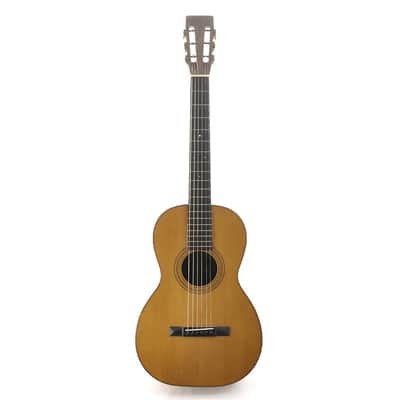
Martin 0-21 12-Fret 1898 - 1944
Like the 28 series, style 21 Martin guitars use Rosewood for their back and sides. The 0-21 was an earlier Martin concert-sized steel-string not unlike the 0-28. Differences include inlay and binding details, as well a some hardware components.
Years of Production: 1898 - 1948
Body Style: Concert
Wood Composition: Brazilian Rosewood back and sides, Adirondack Spruce top, Ebony fingerboard
Design Elements: Square bridge, herringbone sound-hole ring, five-ply top binding, slotted headstock, 12-frets (clear of body)