Yamaki Single Cut Copy Performer MIJ Mid 1970's
This gear has sold
See similar gear from other Reverb sellers
Listed:7 years ago
Views:999
Saves:26
Offers:1

Huntington, IN, United States
Our users rate Reverb
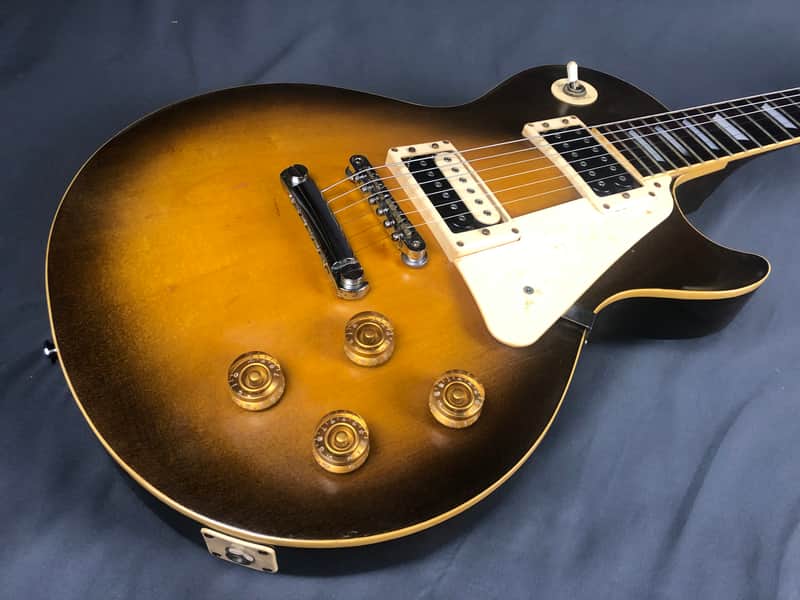
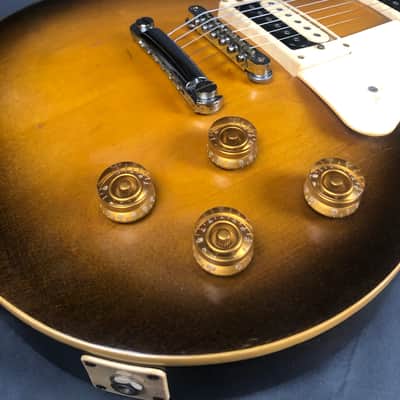
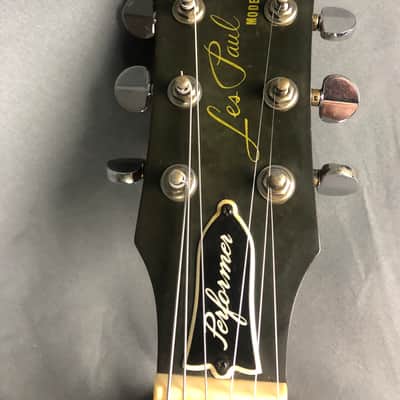
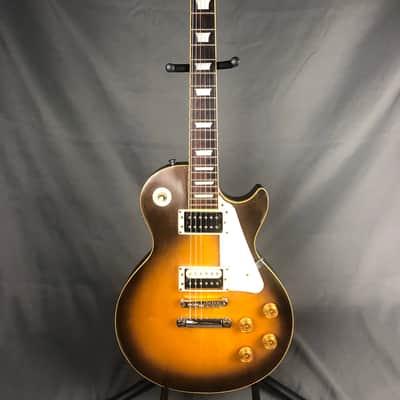
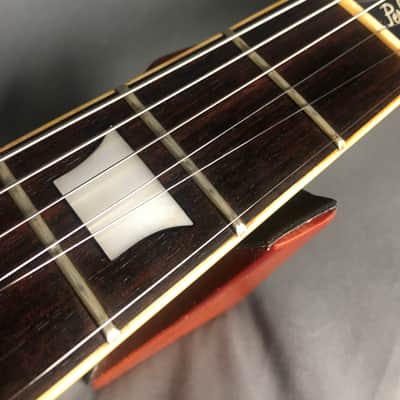
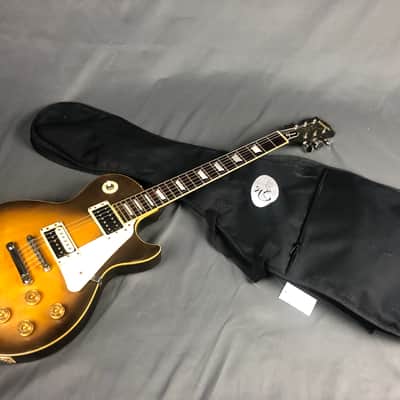
One of the most highly sought-after Les Paul copies from the Lawsuit era, extremely rare model! Talk about a direct trademark infringement, they even had the balls to put Les Paul on the headstock!
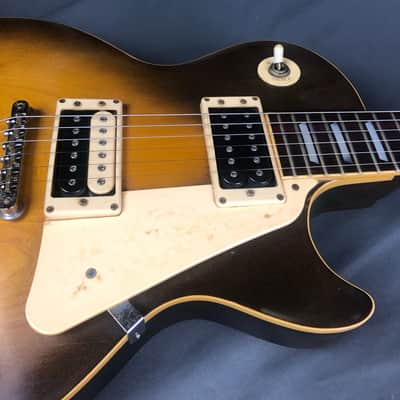
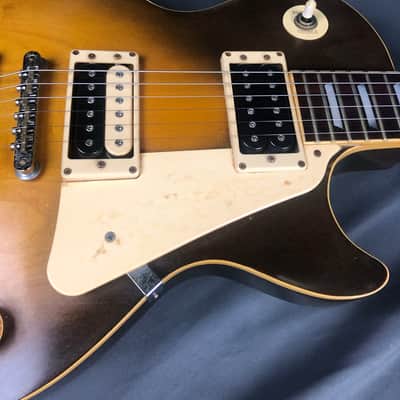
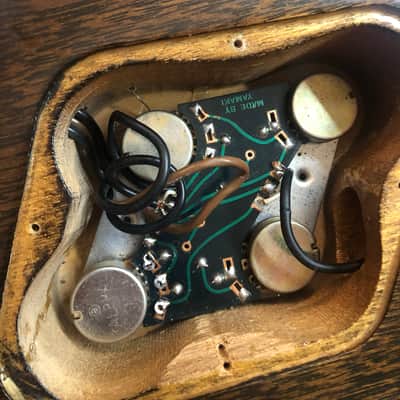
These guitars are extremely well-made. The pots were connected by a custom circuit board that was made by Yamaki and then shielded with a steel cap that surrounds the pots. One of the pots on this one went bad and has been replaced by a quality replacement from Stewart MacDonald. The pickups were also their own design.
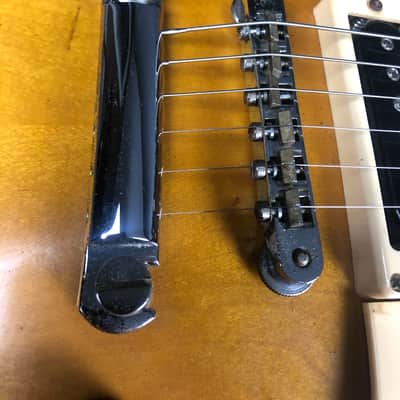
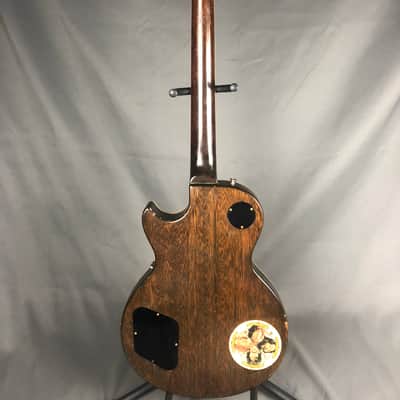
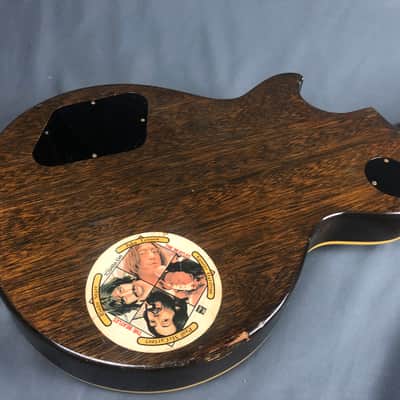
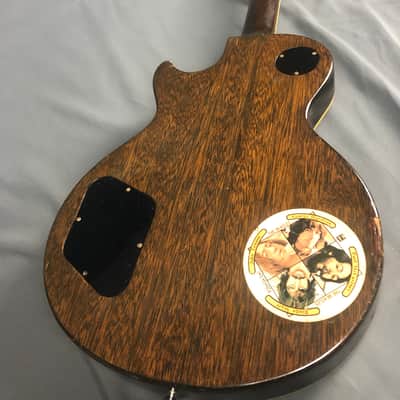
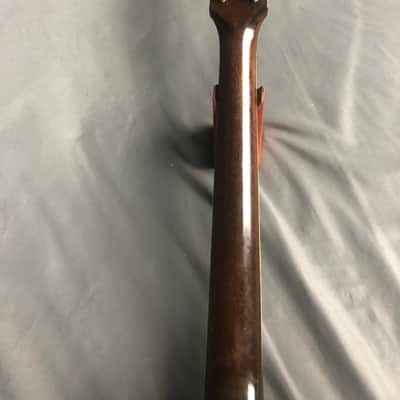
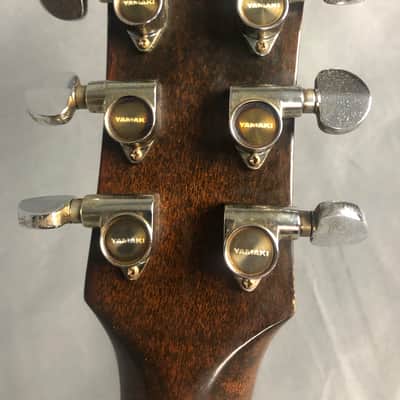
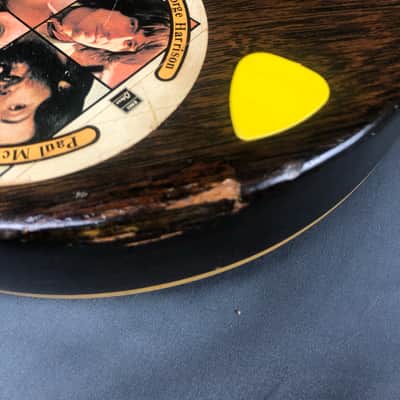
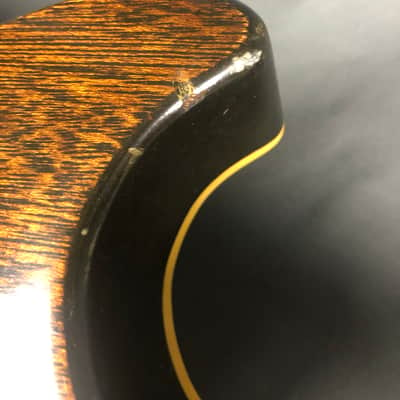
Overall the guitar is in good condition withe a few dings and what looks like a small repair in the wood on the back. It has a very cool vintage Beatles sticker on the back which I decided to leave because it kind of adds to the vintage mojo of the guitar but you can remove it with a heat gun, hair dryer or some Goo Gone if you don't like it. Some residue on the pickguard also. Original Yamaki tuners work well, both pickups sound good! New strings.
They began making this model in the mid-1970's and I am guessing this was one of the early ones since they were still bold enough to put "Les Paul" on the headstock. Later models don't have this. Ships in a basic gig bag.
A little history on Yamaki...
The complex history of Yamaki guitars is entwined with the stories of a number of other Japanese music companies.
In the late 1940s, brothers Yasuyuki and Kazuyuki Teradaira went to work for Tatsuno Mokko, an instrument manufacturer that later split into two different firms, one of which was called Hayashi Gakki.
In 1954 Hayashi Gakki was bought out by Zenon, a large music distributor.
In 1962 Yasuyuki left Zenon, and started an instrument distributorship he called Daion, which means “big sound” or “enlightened” in Japanese.
In 1967 Kazuyuki left Zenon to produce classical guitars under the name Yamaki, an auspicious Japanese word meaning “happy trees on the mountain.”
By the early 1970s, Kazuyuki expanded the Yamaki line to include a large number of steel-string guitars, many of which were clearly based upon C.F. Martin and Co.’s designs and these were distributed exclusively through Daion.
Along with Yamaki guitars, Daion distributed instruments from Chaki, Hamox, Mitsura Shinano, Terada, and Tamura (several of these were built by Yamaki at various times), and Harptone guitars -- which Daion imported from the US. Many guitars were built to specifications of small U.S. distributors, and carried different labels -- including Joodee, G.J. Gould & Sons, and others. These guitars usually bore the same model numbers as their Yamaki counterparts.
Sometime in the late 1960s, Daion began exporting Yamaki guitars to America, where they were well received. By the late 1970’s, however, Daion felt that the Yamaki Martin-style guitars were getting lost among similar instruments from other Japanese builders like Takamine, Yasuma, and C.F. Mountain, so they re-designed their entire acoustic line. They dropped the Yamaki name and re-branded their instruments as Daion guitars.
In 1978, Tom Burr and staff from MCI Inc. (who company was the North American distributor for Daion guitars), joined forces with guitar designer Hirotsugu Teradaira of Daion, and provided innovative ideas for much of the new Daion line of instruments, particularly the acoustic-electrics and solid-body electrics.
Daion began an extensive advertising campaign to introduce the new line around 1980, but this was a time when musicians were more interested in the new MIDI-equipped synthesizers than in guitars. In 1984 Daion stopped exporting guitars to America and went out of business shortly after MCI Inc. filed for bankruptcy in the USA.
Yamaki, on the other hand, survived the downturn of the 1980's and now makes parts for other Japanese guitar companies
These guitars are extremely well-made. The pots were connected by a custom circuit board that was made by Yamaki and then shielded with a steel cap that surrounds the pots. One of the pots on this one went bad and has been replaced by a quality replacement from Stewart MacDonald. The pickups were also their own design.
Overall the guitar is in good condition withe a few dings and what looks like a small repair in the wood on the back. It has a very cool vintage Beatles sticker on the back which I decided to leave because it kind of adds to the vintage mojo of the guitar but you can remove it with a heat gun, hair dryer or some Goo Gone if you don't like it. Some residue on the pickguard also. Original Yamaki tuners work well, both pickups sound good! New strings.
They began making this model in the mid-1970's and I am guessing this was one of the early ones since they were still bold enough to put "Les Paul" on the headstock. Later models don't have this. Ships in a basic gig bag.
A little history on Yamaki...
The complex history of Yamaki guitars is entwined with the stories of a number of other Japanese music companies.
In the late 1940s, brothers Yasuyuki and Kazuyuki Teradaira went to work for Tatsuno Mokko, an instrument manufacturer that later split into two different firms, one of which was called Hayashi Gakki.
In 1954 Hayashi Gakki was bought out by Zenon, a large music distributor.
In 1962 Yasuyuki left Zenon, and started an instrument distributorship he called Daion, which means “big sound” or “enlightened” in Japanese.
In 1967 Kazuyuki left Zenon to produce classical guitars under the name Yamaki, an auspicious Japanese word meaning “happy trees on the mountain.”
By the early 1970s, Kazuyuki expanded the Yamaki line to include a large number of steel-string guitars, many of which were clearly based upon C.F. Martin and Co.’s designs and these were distributed exclusively through Daion.
Along with Yamaki guitars, Daion distributed instruments from Chaki, Hamox, Mitsura Shinano, Terada, and Tamura (several of these were built by Yamaki at various times), and Harptone guitars -- which Daion imported from the US. Many guitars were built to specifications of small U.S. distributors, and carried different labels -- including Joodee, G.J. Gould & Sons, and others. These guitars usually bore the same model numbers as their Yamaki counterparts.
Sometime in the late 1960s, Daion began exporting Yamaki guitars to America, where they were well received. By the late 1970’s, however, Daion felt that the Yamaki Martin-style guitars were getting lost among similar instruments from other Japanese builders like Takamine, Yasuma, and C.F. Mountain, so they re-designed their entire acoustic line. They dropped the Yamaki name and re-branded their instruments as Daion guitars.
In 1978, Tom Burr and staff from MCI Inc. (who company was the North American distributor for Daion guitars), joined forces with guitar designer Hirotsugu Teradaira of Daion, and provided innovative ideas for much of the new Daion line of instruments, particularly the acoustic-electrics and solid-body electrics.
Daion began an extensive advertising campaign to introduce the new line around 1980, but this was a time when musicians were more interested in the new MIDI-equipped synthesizers than in guitars. In 1984 Daion stopped exporting guitars to America and went out of business shortly after MCI Inc. filed for bankruptcy in the USA.
Yamaki, on the other hand, survived the downturn of the 1980's and now makes parts for other Japanese guitar companies
This item is sold As-Described
This item is sold As-Described and cannot be returned unless it arrives in a condition different from how it was described or photographed. Items must be returned in original, as-shipped condition with all original packaging.Learn More.
| Listed | 7 years ago |
|---|---|
| Condition | Very Good (Used) Very Good items may show a few slight marks or scratches but are fully functional and in overall great shape.Learn more |
| Brand | |
| Model |
|
| Finish |
|
| Categories | |
| Year |
|
| Made In |
|
| Body Type |
|
Product safety information may be available here.