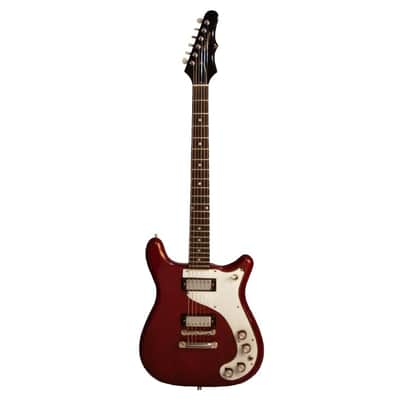
Epiphone Wilshire 1963 - 1970
Compare 0 Listings
Product details
Gallery
Product Specs
| Brand | |||||
|---|---|---|---|---|---|
| Model |
| ||||
| Finish |
| ||||
| Year |
| ||||
| Made In |
| ||||
| Categories | |||||
| Body Material |
| ||||
| Body Shape |
| ||||
| Body Type |
| ||||
| Bridge/Tailpiece Type |
| ||||
| Color Family |
| ||||
| Finish Pattern |
| ||||
| Finish Style |
| ||||
| Fretboard Material |
| ||||
| Model Family | |||||
| Neck Construction |
| ||||
| Neck Material |
| ||||
| Number of Frets |
| ||||
| Number of Strings |
| ||||
| Offset Body |
| ||||
| Pickup Configuration |
| ||||
| Right / Left Handed |
| ||||
| Scale Length |
| ||||
| Wood Top Style |
| ||||
Overview
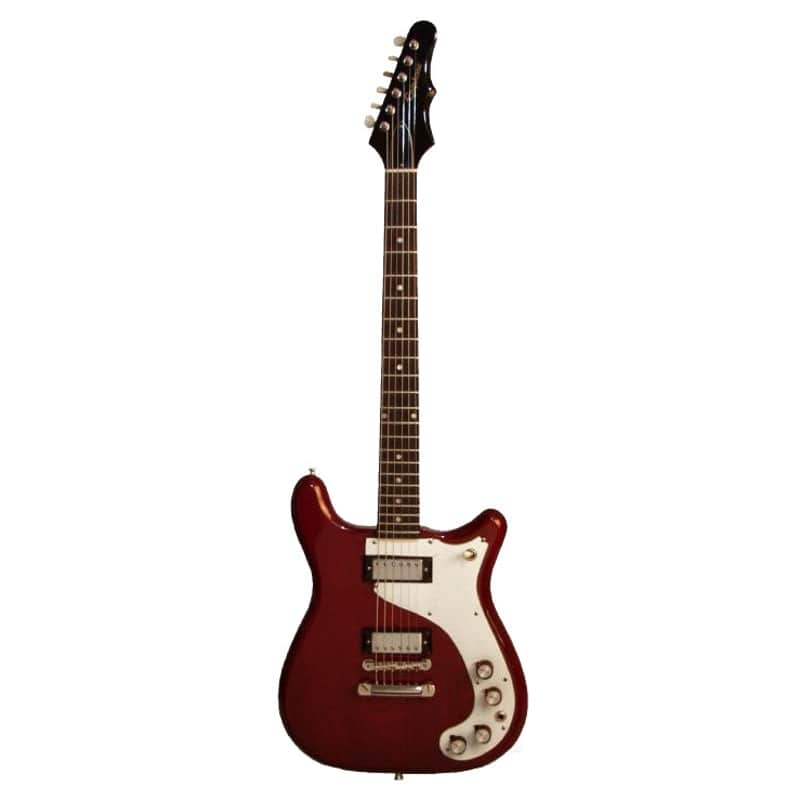
The Wilshire was updated in 1963, moving from a design based on the early Coronet, to one based on the asymmetric Crestwood. The Wilshire featured the same dual mini-humbucker setup as the Crestwood, but did away with some of the flashier aesthetic choices, like the large oval fretboard inlays. While most commonly seen with a vibrato unit, stop tail models were also produced.
Reverb Price Guide
Estimated Value for Epiphone Wilshire 1963 - 1970 on Reverb
Includes material, year, finish
*Excludes Brand New, B Stock, Fair, Poor, and Non-functioning. Prices exclude shipping and tax/VAT/GST.