Earth Sound Research Graphic Fuzz | Rare 1976 Guitar Pedal
This gear has sold
See similar gear from other Reverb sellers
Listed:9 years ago
Views:792
Saves:24
Offers:6
Brooklyn, NY, United States
Our users rate Reverb
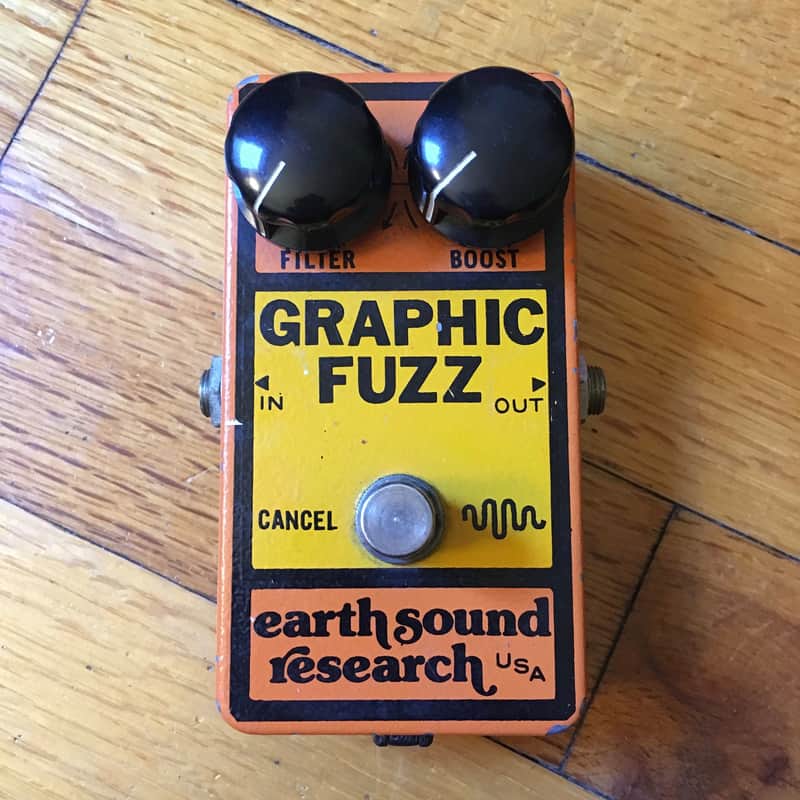
Earth Sound Research Graphic Fuzz Pedal
Zero Sonic Issues
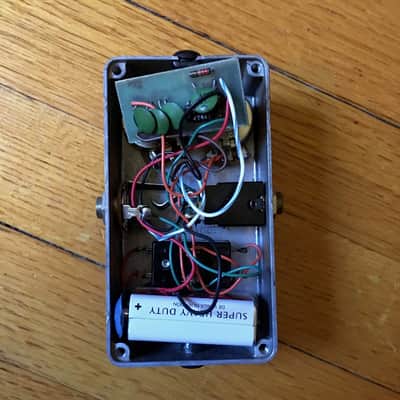
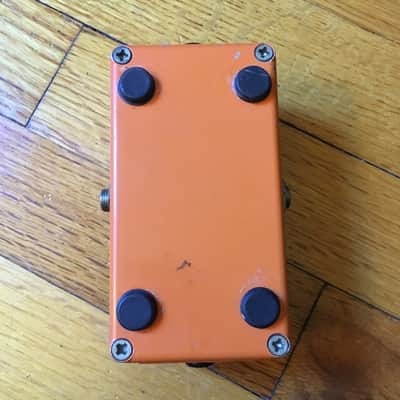
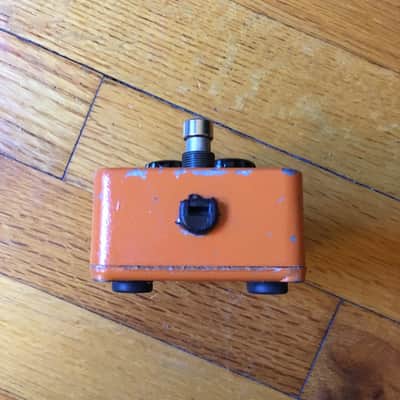
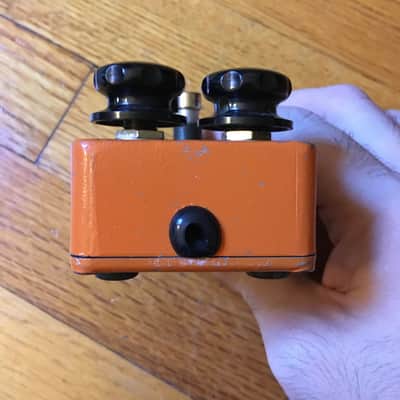
Holes In Both Top & Bottom Of Case (for 9v adaptor access - not included)
Very heavy fuzz tone with quite a bit of boost on tap. Perfect for that Kyuss/Queens Of The Stone Age tone.
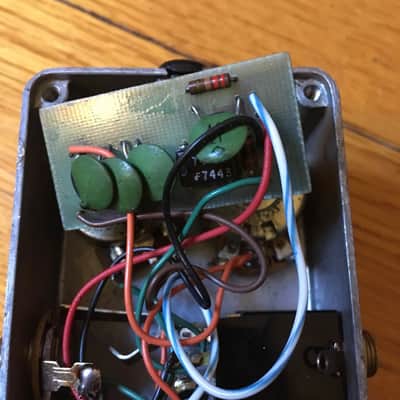
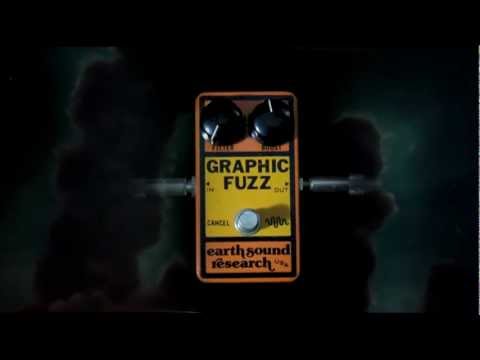
From the Retro-Tone Junkie Site: Earth Sound ResearchåÊis an amplifier company based out of New York that built guitar and bass amps in the 70's. They also made a few effects and some sound equipment. The Graphic Fuzz is an op-amp based fuzz pedal which uses a LM741CP chip, four resistors, and four ceramic capacitors. Powered by a 9v battery with controls for 'filter and 'boost, this is an unusual pedal with an experimental approach. I was lucky enough to have some time to test it out and this is what I discovered.
This pedal was an elusive one to track down. With little information or sound clips on the web it was impossible to get a real idea of what it had to offer. When it arrived I really had zero clue what to expect but I thought a pedal that looks this cool had to have something to offer. I plugged it in and was perplexed; all it did was make this high pitched squeal. After a turn of the 'Filter knob it faded out. I spent some time tweaking the knobs and finding out what sounds could be attained in this box.
Well, one thing that is apparent right away is the amount of output the boost knob delivers. This pedal is really loud if you want it to be. I found about 50% to be sufficient to my taste, unless I wanted to boost my amp into breakup. The filter knob was a bit strange and unfamiliar. It's basically a resonant sweep ranging from low to high frequencies. At lower ranges the sound of the fuzz comes through more, while the higher settings blend out the guitar signal with a sort of theremin type sine wave that increases in pitch as you turn up the knob. At the highest setting there is no sound, but turning it back a until the sound comes in the guitar is basically gone and the pedal produces the wave on it's own. From about 12'o clock to full up the sine starts taking over and the fuzz is less prominent.
I found this fuzz particularly heavy sounding, with some nice muff-like qualities. It is fixed at full on but has plenty of room within your guitar's volume knob to satisfy varying degrees of dirt. It has a prominent low end with some underlying crumble in the sustain. It gets very aggressive and wooly, lending itself to heavier styles of playing. I prefer the filter knob to be set within the lower quarter range for use with full guitar volume. That makes the resonance less apparent and allows the fuzz sound to shine through.
This pedal lends itself to a somewhat experimental appeal. When playing with the Filter knob I felt like it was trying to put me outside of the box and into uncharted territory. The design of the pedal could be more user friendly and I feel like it's a great launch pad for boutique builders to improve upon and bring into a more modern and functional platform. The sounds it achieves are well worth some attention in the pedal world and although it took me some warming up to, in the end I really enjoyed this pedal as something very different from the norm and saw the potential that was here. I found the filter to be most useful with my guitars' volume turned back, which gave it a very lo-fi and musical quality.åÊ
Overall, I liked this pedal alot. I felt it had tons of potential and sounded good. The base fuzz tone is very usable and flexible. Although the filter knob is somewhat unorthodox it really gave the pedal a unique voice and makes your average fuzz sound much more interesting when you want it to. It is a unique design that begs for an update. In the world of stompbox effects there is alot of overlap, and to use something that truly offers a different approach is rare and welcome.
Zero Sonic Issues
Holes In Both Top & Bottom Of Case (for 9v adaptor access - not included)
Very heavy fuzz tone with quite a bit of boost on tap. Perfect for that Kyuss/Queens Of The Stone Age tone.
From the Retro-Tone Junkie Site: Earth Sound ResearchåÊis an amplifier company based out of New York that built guitar and bass amps in the 70's. They also made a few effects and some sound equipment. The Graphic Fuzz is an op-amp based fuzz pedal which uses a LM741CP chip, four resistors, and four ceramic capacitors. Powered by a 9v battery with controls for 'filter and 'boost, this is an unusual pedal with an experimental approach. I was lucky enough to have some time to test it out and this is what I discovered.
This pedal was an elusive one to track down. With little information or sound clips on the web it was impossible to get a real idea of what it had to offer. When it arrived I really had zero clue what to expect but I thought a pedal that looks this cool had to have something to offer. I plugged it in and was perplexed; all it did was make this high pitched squeal. After a turn of the 'Filter knob it faded out. I spent some time tweaking the knobs and finding out what sounds could be attained in this box.
Well, one thing that is apparent right away is the amount of output the boost knob delivers. This pedal is really loud if you want it to be. I found about 50% to be sufficient to my taste, unless I wanted to boost my amp into breakup. The filter knob was a bit strange and unfamiliar. It's basically a resonant sweep ranging from low to high frequencies. At lower ranges the sound of the fuzz comes through more, while the higher settings blend out the guitar signal with a sort of theremin type sine wave that increases in pitch as you turn up the knob. At the highest setting there is no sound, but turning it back a until the sound comes in the guitar is basically gone and the pedal produces the wave on it's own. From about 12'o clock to full up the sine starts taking over and the fuzz is less prominent.
I found this fuzz particularly heavy sounding, with some nice muff-like qualities. It is fixed at full on but has plenty of room within your guitar's volume knob to satisfy varying degrees of dirt. It has a prominent low end with some underlying crumble in the sustain. It gets very aggressive and wooly, lending itself to heavier styles of playing. I prefer the filter knob to be set within the lower quarter range for use with full guitar volume. That makes the resonance less apparent and allows the fuzz sound to shine through.
This pedal lends itself to a somewhat experimental appeal. When playing with the Filter knob I felt like it was trying to put me outside of the box and into uncharted territory. The design of the pedal could be more user friendly and I feel like it's a great launch pad for boutique builders to improve upon and bring into a more modern and functional platform. The sounds it achieves are well worth some attention in the pedal world and although it took me some warming up to, in the end I really enjoyed this pedal as something very different from the norm and saw the potential that was here. I found the filter to be most useful with my guitars' volume turned back, which gave it a very lo-fi and musical quality.åÊ
Overall, I liked this pedal alot. I felt it had tons of potential and sounded good. The base fuzz tone is very usable and flexible. Although the filter knob is somewhat unorthodox it really gave the pedal a unique voice and makes your average fuzz sound much more interesting when you want it to. It is a unique design that begs for an update. In the world of stompbox effects there is alot of overlap, and to use something that truly offers a different approach is rare and welcome.
| Listed | 9 years ago |
|---|---|
| Condition | Very Good (Used) Very Good items may show a few slight marks or scratches but are fully functional and in overall great shape.Learn more |
| Brand | |
| Model |
|
| Categories | |
| Year |
|
| Made In |
|
Product safety information may be available here.